
Reviewed · CITY TOURS
12 Tastings of Heraklion city – walking culture tour
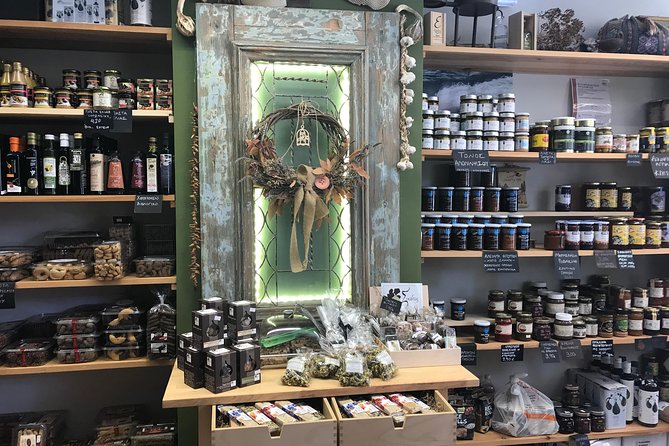
Heraklion is easiest to understand through its food, and this two-hour walk gives you a quick, tasty introduction to the city center. You move between local food stops while sampling 12 Cretan specialties, from bougatsa and kalitsounia to cheeses, olives, dakos, souvlaki, raki, and wine.
I like the small group limit of 12, which keeps the walk more personal, and I like the range of samples. You get both everyday bites and local staples, including olive oil, herbs, seasonal fruit, Greek coffee, and the famously strong Cretan spirit, raki.
The main drawback is the price: at $167.85 per person, this is costly for a two-hour food walk, especially since lunch is not included. It makes the most sense if you value a guided introduction and plan to use the food tips for the rest of your stay.
In This Review
- Key points at a glance
- Starting with Heraklion’s food story
- Bougatsa, kalitsounia, and the sweet side of Crete
- Olive oil, herbs, olives, and seasonal fruit
- Cheese, paximadi, and the making of dakos
- Souvlaki and the savory middle of the walk
- Greek coffee, raki, rakomelo, and wine
- The sights between the food stops
- What the $167.85 price really buys you
- Group size, pace, and practical comfort
- The guide can shape the whole experience
- Who should book this Heraklion food walk?
- Booking, cancellation, and final advice
- FAQ
- How long does the Heraklion food tour last?
- What time does the tour begin?
- Where does the tour meet?
- Where does the tour end?
- How many people can join the tour?
- Is lunch included?
- What food and drinks are included?
- Is the tour conducted in English?
- Can I cancel for a full refund?
Key points at a glance
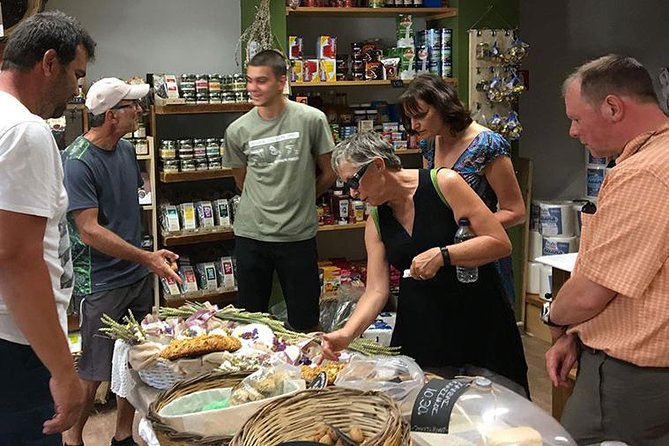
- Twelve local tastings: Try bougatsa, kalitsounia, cheeses, olives, dakos, souvlaki, raki, wine, coffee, fruit, herbs, and more.
- A compact Heraklion walk: See Lions Square, the Venetian Walls, Saint Titos Cathedral, and Agios Minas Cathedral while eating.
- Small group format: The maximum group size is 12 people, giving the guide room to explain the food and answer questions.
- Guide Eri: Eri leads the experience and is specifically named in the available feedback as an excellent guide.
- Two hours at 11:30 a.m.: The timing works well as a late morning snack tour, but you should not expect a full lunch.
- Flexible cancellation: Cancel at least 24 hours before the start for a full refund.
Starting with Heraklion’s food story
Meet at 11:30 a.m. outside Capsis Astoria Heraklion on Plateia Eleftherias. From there, your guide leads you into the historical center, where the city’s Venetian buildings, churches, markets, and narrow streets provide the setting for the tastings.
This is not a sit-down cooking class or a long restaurant meal. It is a walking sampler. You stop, taste, listen, and move on. That format suits you if you want a first look at Cretan food before choosing restaurants for later meals.
The setting adds useful context. Heraklion is the capital of Crete, and the walk brings together several parts of its identity: Venetian fortifications, Orthodox churches, local food shops, and the island’s strong home-style food traditions.
Your guide may also point out the city’s links with major Cretan figures. Heraklion is associated with El Greco and writer Nikos Kazantzakis, and the walk presents the city as more than a port or a base for visiting Knossos.
A few more Crete half-days to weigh up
- From Heraklion: Historical Center City Tour & Knossos Palace
★ 4.4 · 340 reviews - Day Trip To Heraklion City Center & Market & CretAquarium
★ 4.5 · 205 reviews - Chania: City Highlights Small Group Bike Tour
★ 4.9 · 176 reviews
Bougatsa, kalitsounia, and the sweet side of Crete
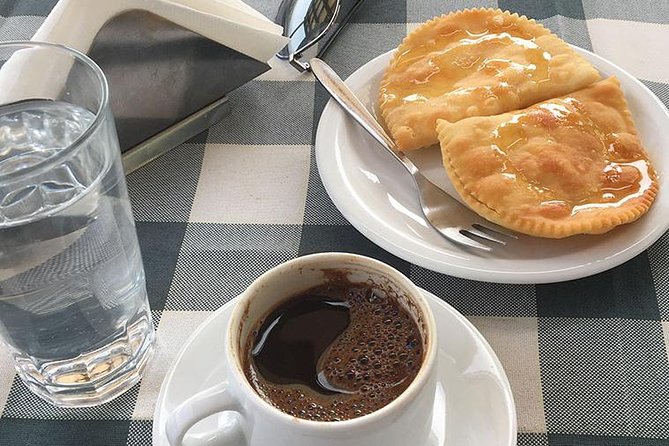
One early highlight is bougatsa, a pastry that appears in several forms across Greece. In Heraklion, it is commonly associated with a creamy filling and a flaky pastry shell. The portion is a sample rather than a full breakfast, but it gives you a quick sense of the island’s fondness for simple, satisfying baked foods.
You also taste kalitsounia, small Cretan pastries that can be sweet or savory. Their exact preparation can vary, but they are a useful introduction to the way Cretan food uses cheese, pastry, herbs, and local ingredients in small portions.
A family bakery is part of the experience, where you taste sweet pies and cookies. This is one of the more appealing stops because a bakery offers a direct connection to daily food habits. You are not just looking at a display of regional products. You are sampling the sort of baked treats that fit naturally into a coffee break or family table.
The sweet stops also help pace the tour. With several savory foods and strong drinks still ahead, starting with pastries and cookies gives the walk a gentle beginning.
Olive oil, herbs, olives, and seasonal fruit
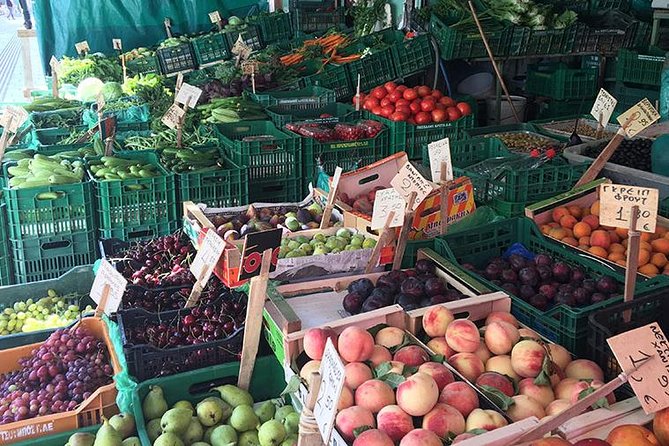
Cretan food depends heavily on olive oil, herbs, vegetables, bread, and cheese. The tour includes a light olive oil tasting, Cretan herbs and teas, several types of olives, and fresh seasonal fruit.
The olive oil sample is small, but it is worthwhile if you have not tasted good oil on its own. Instead of treating olive oil as a background ingredient, you get to consider its flavor and texture directly. Your guide can also explain how it fits into local cooking, though the exact amount of detail depends on the group and the pace.
The herbs and traditional herbal drink offer a gentler counterpoint to raki and wine. This nonalcoholic option matters if you avoid alcohol or simply want a break from tasting spirits. It also shows that Cretan drinks are not limited to the famous anise-like punch of raki.
Olives are another practical sample. Since Crete is closely tied to olive cultivation and olive oil production, tasting different olives gives you a better feel for the island’s everyday table than one fancy dish would.
Seasonal fruit rounds out this part of the walk. Because the exact fruit depends on the time of year, you should treat it as a changing element rather than a fixed menu item.
Cheese, paximadi, and the making of dakos
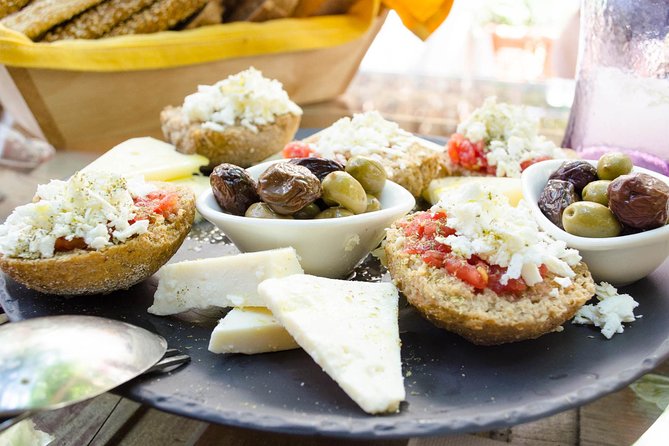
Cheese is a major part of the tasting list, with several Cretan varieties included. The tour also serves paximadi, the firm, traditional rusk bread used in many Cretan dishes.
Paximadi is especially important in dakos, one of the most recognizable local snacks. Dakos usually combines the hard rusk with tomato, cheese, olive oil, and herbs. The rusk gives the dish a sturdy base, while the tomato and oil soften it into something more substantial than a simple piece of bread.
This is a good example of why a food walk can be more useful than a list of restaurant recommendations. You taste a dish, learn the parts that make it work, and can then recognize it on a menu later.
The cheese tasting is also practical. If you visit a food shop afterward, you will have a better idea of what to look for and what flavors you prefer. The experience does not require you to know the names of every variety in advance. You can simply compare them and ask questions.
Keep in mind that the tour is designed around small portions. The cheese, bread, olives, and dakos add up, but they do not replace a full meal for most people.
Same island, a completely different day out:
- From Kissamos Port: Boat Cruise to Balos Lagoon & Gramvousa
★ 4.2 · 6,755 reviews - Crete: Day Trip to Agios Nikolaos and Spinalonga Island
★ 4.6 · 4,416 reviews - From Chania: Full-Day Samaria Gorge Trek Excursion & Guide
★ 4.6 · 3,191 reviews - Agios Nikolaos: Boat Trip to Spinalonga with Swim Stop
★ 4.4 · 3,031 reviews
Souvlaki and the savory middle of the walk
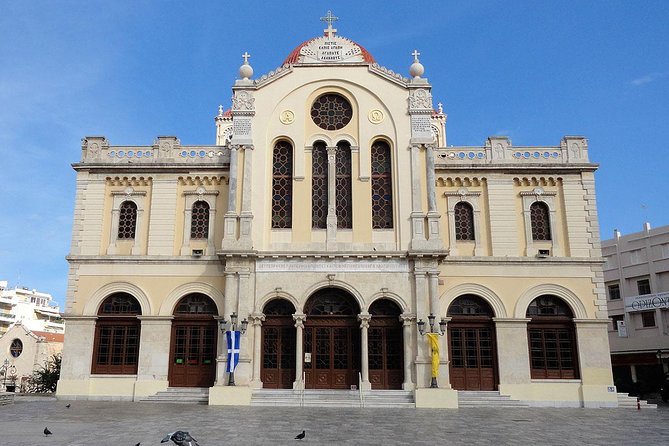
Souvlaki brings a familiar Greek street-food element into the tour. It is a useful contrast to the pastries, fruit, cheese, and bread because it gives you a warm, savory bite with a more meal-like feel.
The sample is not presented as lunch. The published details specifically exclude lunch, so plan another meal before or after the walk. Starting hungry may help you enjoy the tastings, but arriving with expectations of a full midday meal could leave you disappointed.
The tour’s food list includes local refreshments as well. These provide a nonalcoholic option during the walk, which is helpful when the route also includes coffee, wine, raki, and rakomelo.
Because the walk lasts about two hours, the pacing should feel more like a series of stops than a long, leisurely feast. You will get variety, but not much time at any one table. If you prefer to spend an hour discussing one dish over a full serving, a cooking class or restaurant meal would suit you better.
Greek coffee, raki, rakomelo, and wine
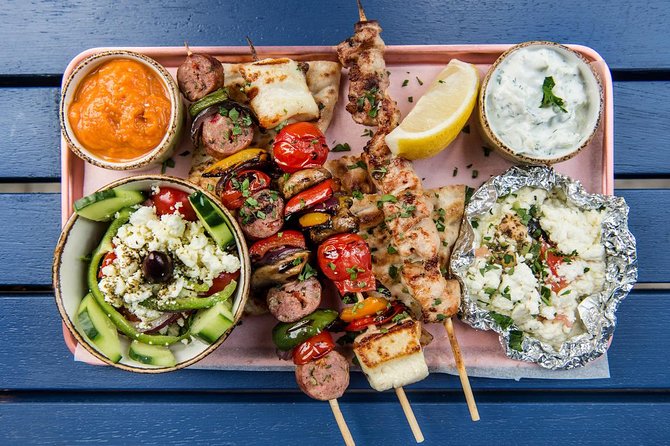
The drink tastings give the experience much of its Cretan character. You sample traditional Greek coffee, a local herbal drink, raki or tsikoudia, rakomelo, and wine.
Greek coffee is strong and prepared in a small cup, so it works well as a brief pause during the walk. The tour information also describes it as Turkish coffee in one place, while the included items call it traditional Greek coffee. Either way, expect a small, concentrated coffee rather than a large filter coffee or cappuccino.
Raki is Crete’s signature after-meal spirit, though it may appear at other times too. It is usually served in a small glass, and the experience includes a raki meze, meaning small foods paired with the drink. Raki can be potent, so take the tasting at your own pace.
Rakomelo combines raki with honey and is generally sweeter and warmer in character. This gives you a chance to compare two drinks based on the same spirit but with very different impressions.
Wine is also included, adding a familiar option to the local drinks. If you do not drink alcohol, the traditional herbal drink, coffee, and local refreshments give you alternatives, but you should tell the guide about your preference at the start.
The sights between the food stops
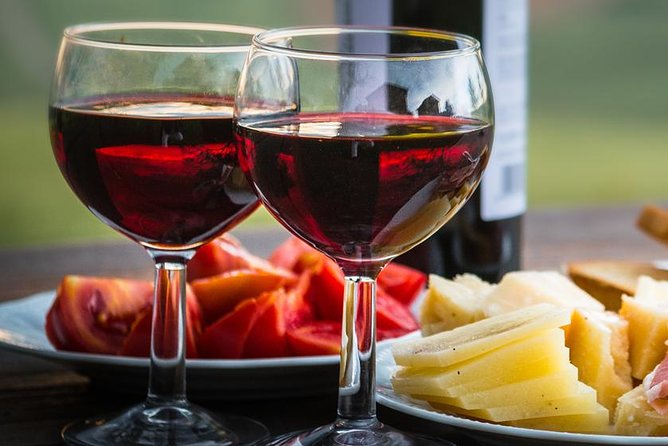
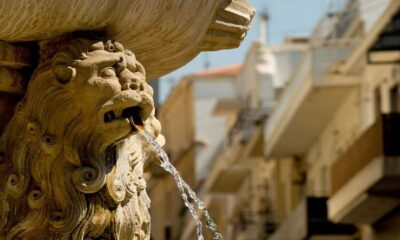
The walking route includes several recognizable Heraklion landmarks. Lions Square is one of the city’s central gathering points and a natural place to get your bearings. Its Venetian fountain and surrounding streets help connect the modern city with its earlier period of Venetian rule.
You also pass the Venetian Walls, a major part of Heraklion’s defensive history. They are not merely decorative ruins. They explain the shape and strategic importance of the city, especially when you consider Heraklion’s position on Crete.
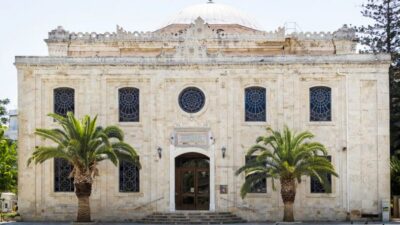
Saint Titos Cathedral and Agios Minas Cathedral add a religious layer to the walk. Both give you a reason to look up from the food and notice the city’s architecture, courtyards, and public spaces.
The tour does not appear to include formal admission to these sights. The points of interest are viewed as part of the city walk, and admission is listed as free. If you want an in-depth visit inside the cathedrals or a detailed study of the Venetian Walls, you will need to set aside extra time before or after the tasting tour.
That is not a flaw, but it is important to understand the focus. Food is the main subject. The monuments provide setting and context rather than a full guided history lecture.
What the $167.85 price really buys you
At $167.85 per person, this is an expensive short tour. The value depends on how much you want an organized introduction to Heraklion and how many of the listed samples you would otherwise seek out on your own.
The price includes a local English-speaking guide, the food and drink tastings, and a small group capped at 12 people. It does not include lunch, transportation, or a separate admission ticket to a museum or attraction.
You are paying for convenience and interpretation as much as for food. A guide can connect the pastries, olive oil, cheese, bread, spirits, and city landmarks into one story. You also avoid guessing which local products to try during your first hours in Heraklion.
Group discounts may improve the value if you are traveling with several people. The price is easier to justify for visitors who have limited time, want a guided orientation, or care about tasting a broad selection without ordering full portions everywhere.
It is harder to justify if your main goal is simply to eat a large meal. For that, you could spend less at a local restaurant and still try several Cretan dishes, though you would lose the walking route and guided explanations.
Group size, pace, and practical comfort
The maximum group size is 12. That is small enough for a guide to keep the group together through central Heraklion and respond to questions without turning every stop into a crowd scene.
You should expect regular walking through city streets. The activity is near public transportation, and most people can participate, but the supplied details do not describe the exact distance, stair count, or surface conditions.
Wear comfortable shoes and arrive ready to walk and taste. The start time is 11:30 a.m., which places the experience between breakfast and lunch for many people. A light breakfast is sensible, especially if you want room for the pastries, cheese, souvlaki, and drinks.
The tour returns to the meeting point at Capsis Astoria Heraklion. That makes it easy to continue exploring the center afterward, find lunch, or use the walk as an orientation before visiting other parts of the city.
Since the tour includes alcohol, consider your own tolerance before booking. The samples are small, but raki is strong, and the menu may include several alcoholic tastes in a short period.
The guide can shape the whole experience
Guide Eri is the only guide name provided, and the available feedback describes Eri as an excellent guide who gives a strong introduction to Crete and helps visitors savor local treats along the route.
That matters here because the food itself is only part of the experience. With a guide who explains what you are tasting and where it fits into Cretan life, a simple bite of rusk or cheese becomes more useful. You can carry that knowledge into later meals and food shopping.
The tour is conducted in English. If you want detailed historical commentary at every monument, ask about the emphasis at the start. The structure is clearly food-led, with the city sights woven into the route.
A good approach is to ask direct questions. Ask which cheese is best for cooking, how locals use raki, what makes a good dakos, or where to find a similar pastry later. The small group format should make those questions easier to handle.
Who should book this Heraklion food walk?
I would recommend it most to you if this is your first visit to Heraklion and you want a quick introduction to local food, central landmarks, and Cretan drinks in one outing.
It also suits people who enjoy tasting many things but do not want full portions. The variety is the main attraction: bougatsa, kalitsounia, fruit, cheese, olives, dakos, souvlaki, coffee, herbs, raki, rakomelo, wine, and local refreshments cover a wide range in two hours.
It may work well early in your stay. Take notes on the foods you like, then use the rest of your time to seek out larger portions or buy local products.
I would think twice if you dislike walking, avoid most of the listed ingredients, want a substantial lunch, or are mainly interested in museums and formal historical touring. The route includes important landmarks, but it does not replace a dedicated city history tour.
The $167.85 cost also calls for a clear decision. Book it for the guided tasting and orientation, not because it is a cheap way to eat.
Booking, cancellation, and final advice
You receive booking confirmation at the time of reservation, and free cancellation is available up to 24 hours before the 11:30 a.m. start. Cancel within 24 hours and you will not receive a refund, and changes made during that period are not accepted.
Overall, I see this as a polished introduction to Heraklion rather than a full meal or a major sightseeing tour. The mix of food and landmarks is practical, and guide Eri’s reported warmth gives the experience a personal touch.
Book it if you want a small-group food orientation, enjoy trying unfamiliar Cretan products, and can accept the high cost for a short activity. Skip it if you want maximum food for your money or prefer to explore the city’s restaurants independently. For the right reader, the best payoff comes after the tour, when you recognize dakos on a menu, know which cheeses to seek out, and feel more at home ordering a glass of wine or a small raki with your meal.
FAQ
How long does the Heraklion food tour last?
The tour lasts approximately two hours.
What time does the tour begin?
It starts at 11:30 a.m. local time.
Where does the tour meet?
The meeting point is Capsis Astoria Heraklion, Plateia Eleftherias, Iraklio 712 02, Greece.
Where does the tour end?
The activity ends back at the meeting point.
How many people can join the tour?
The maximum group size is 12 travelers.
Is lunch included?
No. Lunch is not included, although the tour provides many small food tastings.
What food and drinks are included?
The tastings include bougatsa, kalitsounia, seasonal fruit, Cretan cheeses, olives, dakos, souvlaki, paximadi, olive oil, Cretan herbs and teas, traditional Greek coffee, local refreshments, raki, rakomelo, and wine.
Is the tour conducted in English?
Yes. The experience includes a local English-speaking guide.
Can I cancel for a full refund?
Yes. You can cancel at least 24 hours before the start time for a full refund. Cancellations and changes made less than 24 hours before the start are not refunded.
Just added around Crete
- Crete: Knossos Palace & Heraklion City Tour★ 3.5 · 3 reviews
- Knossos palace (Last minute booking – Skip The Line Ticket)★ 4.5 · 3 reviews
- Cooking Class & Greek Night Experience★ 5.0 · 3 reviews
- Full-Day Tour:Lasithi Plateau -Mythology Park&Knossos Palace★ 3.0 · 3 reviews
- Chania: Private Guided Food and Wine Walking Tour with Lunch★ 5.0 · 3 reviews
- Knossos: Knossos Private Guided Tour★ 5.0 · 3 reviews
- Individual travel accompaniment East Crete★ 5.0 · 3 reviews
- Chania: Knossos Palace – Archaeological museum!★ 3.4 · 3 reviews
City Tours, compared.
Day Trip To Heraklion City Center & Market & CretAquarium
Read our review →
Knossos Palace, Heraklion City, Market Guided Tour
Read our review →

Knossos Palace, Museum & Rethymno city Private Tour from Chania
Read our review →Browse the lists this tour appears in