
Reviewed · CRETAN MONASTERIES
Chania Monasteries Private Tour: A Greek Orthodoxy Tribute
The most unusual part of this Chania tour is its access to places most visitors would never find alone: a rare underground Orthodox church, an abandoned monastery complex, and small religious sites scattered through the mainland and Akrotiri mountains. You travel with a historian trained in Byzantine Archaeology, not simply a driver who points out buildings.
I like the flexible private format, especially if you want time to ask questions or adjust the route. I also like the link between religion and everyday Cretan life, shown through an old olive mill and the monasteries’ role in helping rural communities. The main consideration is the long seven-and-a-half-hour day, with several remote stops, uneven ground, and strict clothing rules for entering churches and monasteries.
In This Review
- Key points to know before booking
- Why this tour offers more than a monastery checklist
- The first 30 minutes: leaving Chania for forgotten ruins
- Byzantine worship and the church complex dating from 1600
- The old olive mill and the working side of church life
- A Cretan village break after the morning visits
- Akrotiri’s monasteries and mountain passages
- The underground church of St. Spyridon
- The abandoned complex and the final chapel above the Aegean
- What the $176 price means
- Who will enjoy this day most
- Practical advice for a smoother visit
- Should you book the Chania Monasteries Private Tour?
- FAQ
- How long does the Chania Monasteries Private Tour last?
- Where does the tour begin and end?
- Is the tour private?
- Who guides the tour?
- What religious sites are included?
- Is lunch included?
- Are entrance fees included?
- What should I wear?
- Can I cancel or pay later?
Key points to know before booking
- Apostolis leads the experience: The guide named in the guest feedback is friendly, patient, and trained in history and Byzantine Archaeology.
- The tour reaches rare religious sites: Expect an abandoned Byzantine church complex, an underground church devoted to St. Spyridon, active monasteries, and a remote chapel to the Virgin Mary.
- You get a private vehicle and flexible timing: The route can include diversions and changes based on your interests.
- Akrotiri provides the most dramatic setting: Mountain roads lead to monasteries, cultivated church lands, and broad views toward the Aegean Sea.
- The price covers useful extras: At $176 per person, you receive a private air-conditioned vehicle, guide, hotel pickup in central Chania, water, fruit, chocolate, and a box lunch.
- Dress for worship, not just sightseeing: Proper clothing and comfortable walking shoes are essential.
Why this tour offers more than a monastery checklist
Crete is usually sold through beaches, ancient palaces, and tavernas. This tour takes another route into the island’s identity. Greek Orthodoxy is not treated as a decorative backdrop here. It is presented as a living tradition tied to farming, local charity, monastic work, pilgrimage, and the survival of small communities.
I find that approach valuable because monasteries can blur together when you visit several in one day. Here, each stop has a different purpose. One site introduces early church practice. Another explains Byzantine design and ritual. The olive mill shows how religious institutions held practical assets. Later, active monasteries reveal the work still carried out by monks today.
The private format matters. You are not locked into a large group’s pace, and the guide can spend more time on the subjects that interest you. Steven from Australia described being able to focus on monasteries near the water and having detours adjusted to suit that preference. That kind of flexibility is difficult to get on a standard coach excursion.
Apostolis is the guide identified in the feedback, and his role seems central to the day. You can expect a conversational guide with a good sense of humor, rather than a lecture delivered at arm’s length. He speaks English, Greek, and German, while the advertised live guiding is in English and Greek.
More Monastery Tours in Chania
- Shore Explore Chania: City Charm, Beach, Monastery & Winetasting
★ 5.0 · 13 reviews - Rethymno: Arkadi Monastery, Margarites Village & Melidoni Cave.
★ 4.5 · 12 reviews - Private Van Tour from Chania to Monasteries
★ 4.5 · 6 reviews
The first 30 minutes: leaving Chania for forgotten ruins
Pickup is available from central Chania hotels, and the drive out takes about 30 minutes. You should wait in your hotel lobby around 10 minutes before the scheduled pickup time. The vehicle is modern, air-conditioned, and private to your group.
The first major stop is an unknown church complex in the Chania Regional Unit. You walk around ancient remains and hear how early Orthodox worship developed. The guide explains old doctrines and how the Divine Liturgy was carried out, giving you a framework for understanding the churches that follow.
This stop is more about archaeology and interpretation than polished architecture. Do not expect a fully restored monument with a tidy entrance and extensive visitor facilities. Its appeal is the sense of uncovering a lesser-known piece of the area’s Christian past.
You may want sturdy shoes here. The tour description calls for athletic clothing and comfortable footwear, and that advice matters when the route includes ruins and remote religious sites.
Byzantine worship and the church complex dating from 1600
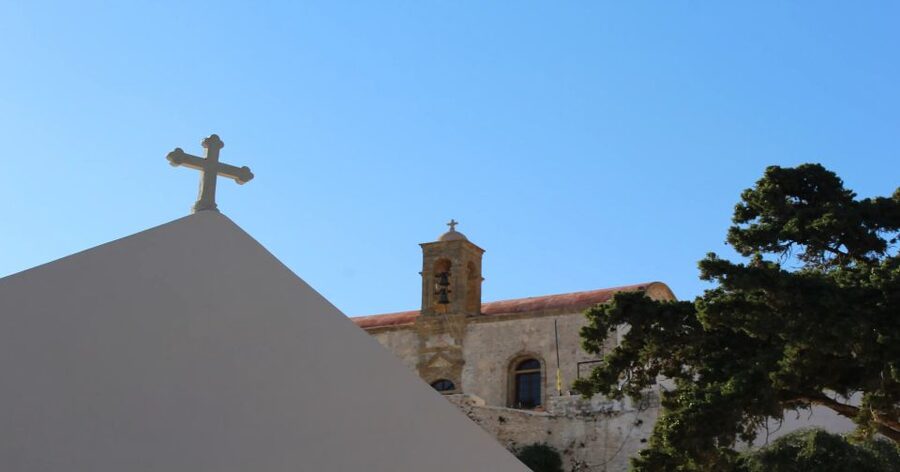
The next guided visit lasts about an hour and brings you into the architectural and religious world of Byzantine Crete. One monastery dates to around 1600, offering a clear link between local Cretan life and the wider Byzantine tradition.
Apostolis explains the altar and the rituals and celebrations held inside Cretan monasteries. This is the point where the tour moves from looking at old stone to understanding how a church functions. You learn why the altar matters, how worship is organized, and how religious practice continues beyond the building itself.
The tour is best suited to people who want context. If you only want quick photographs of monastery façades, the explanations may feel lengthy. If you are curious about symbols, rituals, and the relationship between church design and worship, the time should feel well spent.
The route also includes discussion of the ancient Greek gods, including the 12 gods of Mount Olympus, and their connection to prosperity and farming. That comparison places Christianity within the longer story of Cretan and Greek beliefs. It does not turn the day into a classical mythology tour, but it helps explain how ideas about protection, harvests, and community welfare changed across the centuries.
The old olive mill and the working side of church life
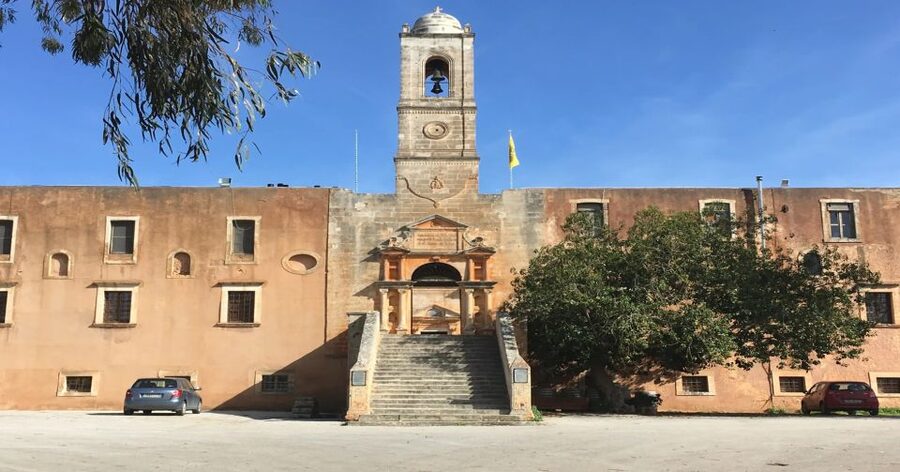
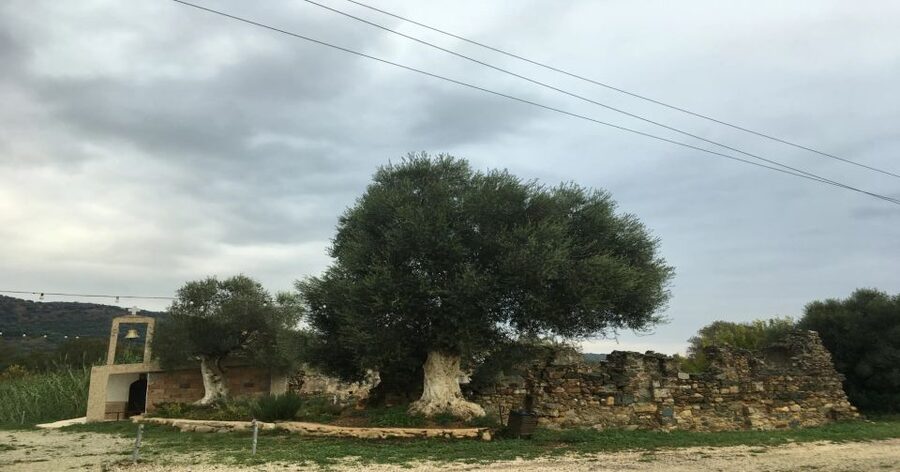
One of the most useful stops is a church complex with an old olive oil mill. You see the equipment and learn how demanding olive oil production was before modern machinery. This is a welcome change from a day of icons and chapels because it connects religious institutions with work that fed local families.
The discussion also covers the financial assets held by Orthodox churches and monasteries. Donations from pilgrims and centuries of land and agricultural activity helped these institutions support poor people in the Cretan countryside. That does not mean every monastery was wealthy in a simple sense, but it shows why a church could be both a spiritual center and an economic one.
For me, this is the kind of detail that makes the tour worthwhile. An olive mill gives you something concrete to look at while the guide explains a larger social system. You come away with a better sense of why monasteries mattered to ordinary people, not just monks and worshippers.
You may also have a chance to speak with the superior of a monastery. That conversation can broaden the religious side of the day, though the information provided does not promise a set meeting time or guarantee who will be available. Treat it as a possible part of the visit rather than the main reason to book.
More monasteries worth the drive from Chania:
- Chania Old Town, Public Market and Chrisopigi Monastery Tour
★ 4.5 · 6 reviews - Monastery – Ancient Olive tree & Museum-Cretan Brewery Private Tour from Chania
★ 5.0 · 5 reviews - From Chania: Zorbas Beach, Agia Triada, Allies War Graves
★ 4.8 · 4 reviews - Chania Highlights:Venizelos, Stavros, Agia Triada & Marathi
★ 5.0 · 3 reviews
A Cretan village break after the morning visits
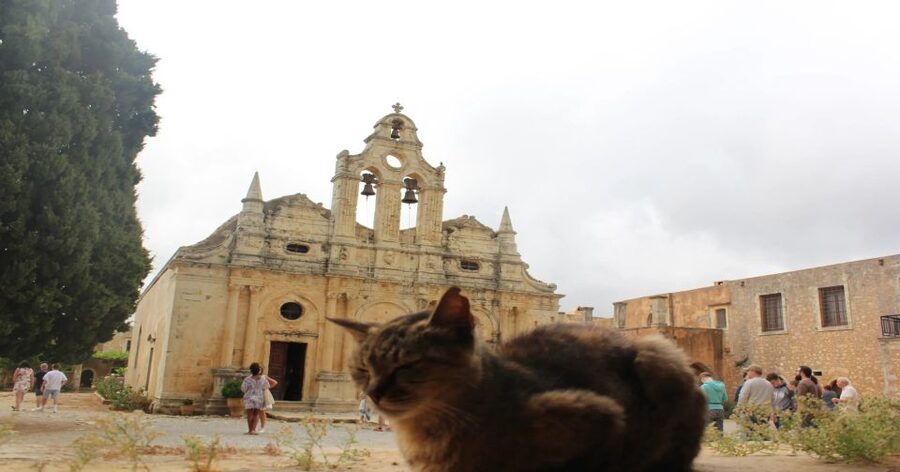
After the early sites, the tour pauses for about an hour in a traditional Cretan village. This is the day’s breathing space. You can have coffee, ask questions, and discuss anything that needs more explanation.
A box lunch is included, along with water, a banana, an apple, and chocolate. However, lunch and drinks at private tour stops are not included, and entrance fees are also excluded. You should clarify any planned paid visits and bring money for food or drinks beyond the supplied provisions.
The break is useful for another reason: this is a full day in a private vehicle, not a short two-hour outing. By this point, you will have absorbed archaeology, theology, and local history. A slower hour helps keep the afternoon from becoming a blur of chapels.
Akrotiri’s monasteries and mountain passages
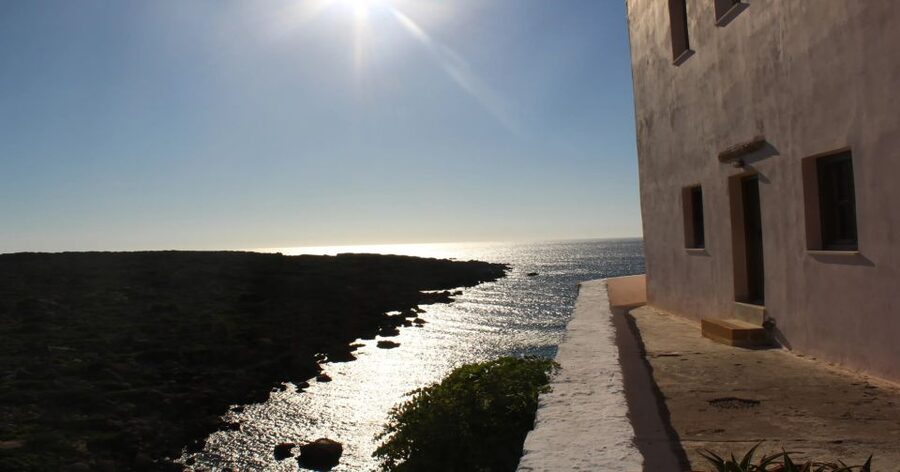
The route then heads toward Akrotiri, the mountainous area northeast of Chania. Akrotiri is known for monasteries, caves, ascetic traditions, and hermits who once lived in isolated places. The drive itself is part of the experience, with small mountain passages leading toward remote religious sites.
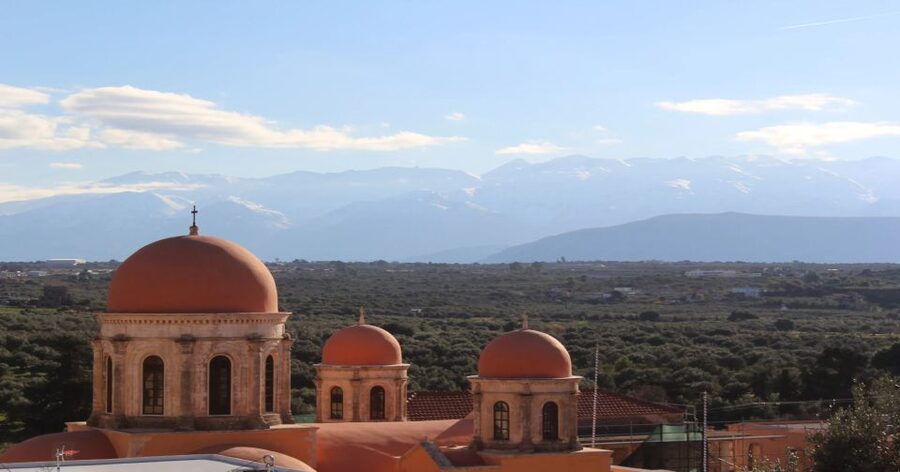
Two active monasteries are included later in the route. They are described as exceptionally well kept and set among large cultivated lands. You can see the contrast between quiet rural surroundings and the demanding daily duties of monastic life.
The guide may point out priceless Orthodox relics and explain their place in Christian tradition. The emphasis is not just on the age of an object, but on why it matters to worshippers and how it is cared for.
You might see monks carrying out ordinary duties. That glimpse is important because it removes some of the mystery from monastic life. Monks still maintain buildings, work the land, welcome visitors, and preserve religious objects. The tour presents this as a disciplined way of life, not as a staged performance for tourists.
Please remember that these are active religious places. Keep your voice low, follow instructions, and dress properly. Men and women should avoid beachwear or revealing clothing. The supplied information requires appropriate clothing for entering the various monasteries, but it does not list exact garment rules, so modest, shoulder-covering and knee-covering clothes are the safest choice.
The underground church of St. Spyridon
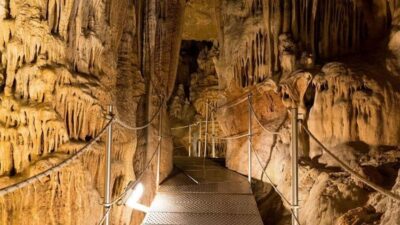
A rare underground church devoted to St. Spyridon is one of the strongest reasons to choose this experience. Underground places of worship feel different from large monastery churches. The setting is usually more enclosed and personal, and it helps you understand why caves and isolated spaces attracted hermits and ascetics.
The tour description identifies this as one of the few churches of its kind. It is not presented as a grand monument, so you should come for its setting and religious character rather than elaborate decoration.
The guide’s background in Byzantine Archaeology is especially useful here. A small church can be difficult to read without help. Details about its use, dedication, and place in Orthodox practice give the visit more meaning than a quick photograph would provide.
Because the route includes underground and remote locations, conditions may vary. Comfortable shoes and clothing suited to the weather are important. Wheelchair access is advertised, but you should confirm which individual sites can accommodate your needs, since historic ruins, caves, and monastery grounds can differ.
The abandoned complex and the final chapel above the Aegean
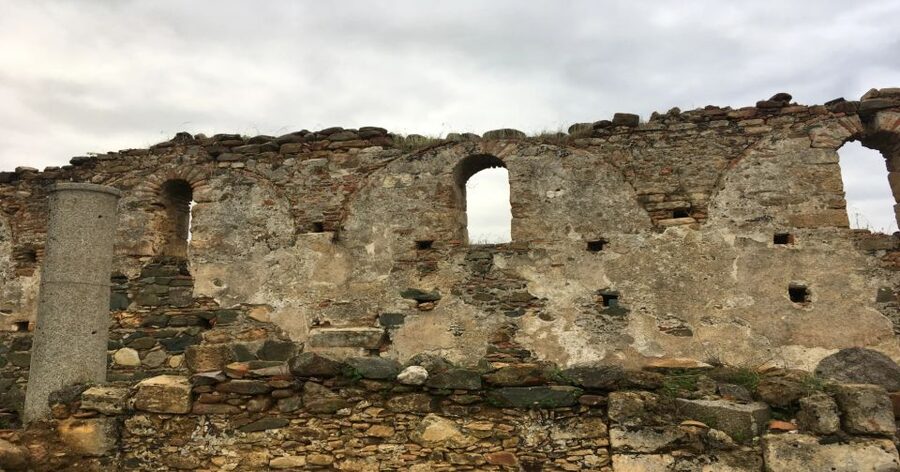
The final section visits an abandoned monastery complex in an undisclosed location. The setting is described as remote, with striking views over the Aegean Sea. This is one of the tour’s best contrasts: earlier, you see active monasteries being maintained; here, you see what happens when a religious complex falls silent.
The ruins offer a chance to consider the passage of time without needing a polished museum display. You can take photographs, walk around the remains, and ask how the site fits into the wider monastic tradition of Chania.
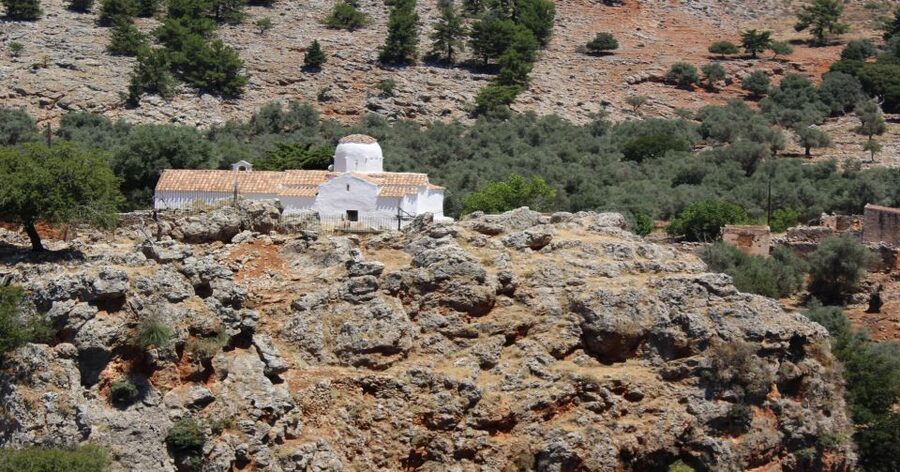
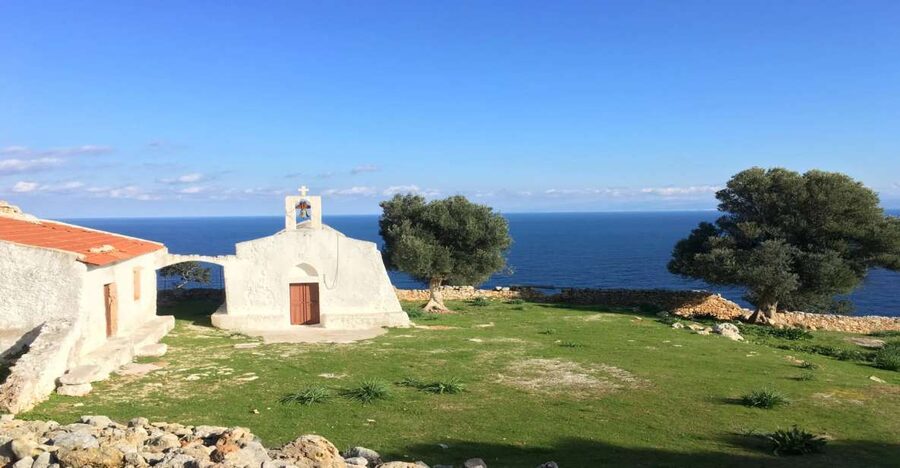
The last stop is a whitewashed chapel devoted to the Virgin Mary. The chapel and its outlook provide a calm ending to a day focused on faith, work, and isolation. You can pay your respects, take photographs, and enjoy the view before returning to Chania.
The advertised route allows photo stops ranging from 20 minutes to an hour. Since this is a private trip, the pace can be adjusted, but the exact amount of time at each place depends on the day, access, and your group’s interests.
What the $176 price means
At $176 per person, this is not a budget sightseeing trip. The value depends heavily on your group size. Since the tour is private, the price buys personal guiding, private transport, and flexibility rather than a seat on a large bus.
Included services make the cost easier to assess. You receive a certified guide, a modern air-conditioned vehicle, hotel pickup and drop-off from central Chania, snacks and water, a box lunch, surprise gifts, and possible route changes. The tour can also operate as a shore excursion from Chania or Souda cruise port.
Entrance fees are not included, and food or drinks purchased during breaks are extra. Since the activity does not list a fixed entrance charge, you should ask about likely additional costs before departure.
I would consider the price fair for a couple or small group that values specialist guiding and private transport. It is less attractive if you have little interest in Christian history or prefer independent visits at a faster pace.
Who will enjoy this day most
This tour suits you if you enjoy religious art, archaeology, local history, and quiet rural sites. It is also a good match if you want to see parts of Chania beyond the old harbor and major attractions.
It works especially well for:
- Couples who want a flexible private day
- Families with an interest in history and faith
- Visitors who enjoy photography and remote viewpoints
- Cruise passengers needing a private shore excursion
- People who want explanations from a trained historian
- Returning visitors who have already seen Chania’s main sights
It may not suit you if you want a relaxed beach day, a short outing, or a route built around restaurants and wine tasting. The day includes long periods of driving, formal places of worship, ruins, mountain roads, and a substantial amount of explanation.
The tour is advertised as wheelchair accessible, but that does not automatically mean every ruin, underground church, or abandoned complex is fully accessible. Ask the provider about the exact sites if mobility is a serious concern.
Practical advice for a smoother visit
Wear modest, weather-appropriate clothing from the start. You may be able to cover up when needed, but it is easier to dress properly before pickup.
Bring comfortable walking shoes. Some stops involve ancient remains, mountain passages, or uneven monastery grounds. Water is supplied, but carrying a small personal bottle is still sensible.
Keep your schedule open. The experience lasts 7.5 hours, and private tours can adjust stops or make diversions. A rushed appointment immediately after the tour would take away from the flexibility that makes this format useful.
Ask questions. Apostolis is described as patient and willing to explain details, and the village coffee break gives you a natural moment to raise subjects that came up during the morning.
Free cancellation is available up to 24 hours before the tour for a full refund, and you can reserve now and pay later. Those policies help if your Crete plans are still shifting.
Should you book the Chania Monasteries Private Tour?
Book it if you want a serious, personal look at Cretan Orthodox tradition and prefer unusual places to famous photo stops. The combination of Byzantine ruins, an underground church, an olive mill, active monasteries, and Aegean viewpoints gives the day a strong range.
I would book with the expectation of a thoughtful history outing, not a light sightseeing loop. The strongest feature is the guide, particularly Apostolis’s ability to explain details, adjust the route, and keep the day conversational. The main drawbacks are the length, extra entrance and refreshment costs, and the need for proper clothing and comfortable shoes.
For a small group that values history and local access, $176 per person can make sense. If your priority is swimming, nightlife, or a quick look at monastery exteriors, spend your money elsewhere.
FAQ
How long does the Chania Monasteries Private Tour last?
The tour lasts 7.5 hours, including transport from Chania, guided visits, photo stops, and a village break.
Where does the tour begin and end?
Pickup and drop-off are available from central Chania areas. The activity can also be arranged as a shore excursion covering Chania and Souda cruise port.
Is the tour private?
Yes. It is offered for a private group, with private transport and flexible stops.
Who guides the tour?
The tour uses a certified professional guide with training in History and Byzantine Archaeology. Apostolis is the guide named in the available guest feedback. The guide service is offered in English, Greek, and German, while live guiding is listed in English and Greek.
What religious sites are included?
The route includes an abandoned Byzantine church complex, a monastery dating to around 1600, a church with an old olive oil mill, a monastery in northern Chania, an underground church devoted to St. Spyridon, active monasteries in Akrotiri, an abandoned monastery complex, and a whitewashed chapel devoted to the Virgin Mary.
Is lunch included?
A box lunch is included, along with water, a banana, an apple, and chocolate. Lunch and drinks purchased at private tour stops are not included.
Are entrance fees included?
No. Entrance fees are not included in the tour price.
What should I wear?
Wear weather-appropriate, modest clothing suitable for entering monasteries and churches. Athletic clothing and comfortable shoes are advised.
Can I cancel or pay later?
You can cancel up to 24 hours in advance for a full refund. Reserve now and pay later is also available.
Just added around Chania
- Cooking Class & Greek Night Experience★ 5.0 · 3 reviews
- Chania: Private Guided Food and Wine Walking Tour with Lunch★ 5.0 · 3 reviews
- Chania: Knossos Palace – Archaeological museum!★ 3.4 · 3 reviews
- Chania Highlights:Venizelos, Stavros, Agia Triada & Marathi★ 5.0 · 3 reviews
- Chania: Private Tour to Balos Lagoon★ 5.0 · 3 reviews
- Your Tailored Samaria Tour That Nobody Will Believe. From Chania.★ 5.0 · 3 reviews
- Sips of Crete: Flavors, Legends & Hidden Gems★ 5.0 · 3 reviews
- Elafonisi Beach Tour★ 3.3 · 3 reviews
Cretan Monasteries, compared.
Matala Beach, Hippie Caves & Odigitria Monastery
Read our review →
Quad Safari with Monastery, Malia Palace and Lunch
Read our review →
Lassithi Plateau & Kera Monastery Tour with Ceramics
Read our review →
Melidoni Cave and Arkadi Monastery Half-Day Trip
Read our review →
Matala Beach, Hippie Caves & Odigitria Monastery
Read our review →Browse the lists this tour appears in