
Reviewed · OLIVE OIL TOURS & TASTINGS
Chania Private Olive Oil Tour: Oil Tasting & Villages Tour
The remarkable part of this Chania day trip is its range. In one private outing, you move from a working olive grove to an old mill, then to modern processing equipment, with a village lunch stop and a look at an olive tree estimated at about 3,000 years old. Olive oil is the main story, but farming, village life, and Cretan tradition fill out the day.
I like the chance to meet a local farmer and learn about grafting, irrigation, harvesting, and oil grades in the very fields where the work happens. I also like the private format, especially if your guide is Apostolis, whose strong knowledge of Cretan history and willingness to adjust the day to your interests were singled out by past customers.
The main consideration is the length and pace. At 7.5 hours, this is a full day with plenty of driving and several stops. Lunch and drinks at private stops are not included, so you should keep some extra money handy.
In This Review
- Key points to know before booking
- Why this tour works for olive oil lovers
- From olive groves to a medieval mill
- A village valley, coffee, and lunch
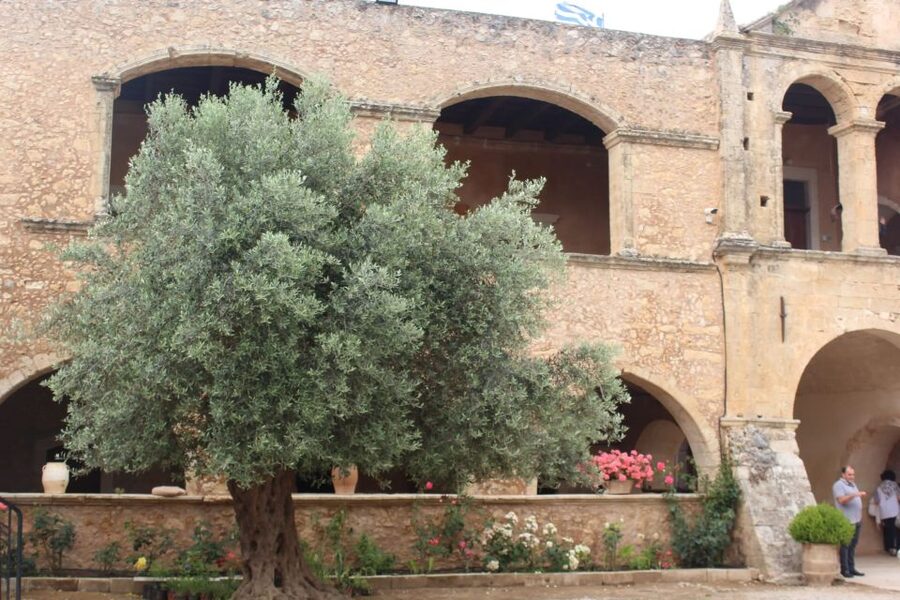
- The ancient olive tree near Chania
- The modern factory and the final tasting
- What the private format adds
- Timing, pickup, and the value of $176
- Who should book this olive oil day?
- Should you book it?
- FAQ
- Where does the Chania private olive oil tour begin?
- How long does the tour last?
- Is this a private tour?
- What languages are available?
- Is lunch included?
- Do I receive olive oil to take home?
- Will I visit both an old and a modern olive oil mill?
- Is the ancient olive tree visit included?
- Can the tour be canceled for a refund?
Key points to know before booking
- The old and new mills tell two different stories: See how Cretan olives were pressed centuries ago, then visit a modern factory with a tasting.
- A local farmer explains the grove: Learn about olive varieties, grafting, irrigation, harvest methods, and oil grades.
- The ancient tree is a major highlight: Visit a secluded olive tree said to be more than 3,000 years old and still fruit-bearing.
- The day is private and flexible: Your guide can make reasonable changes and add stops based on your interests.
- Food is partly covered: A box with water, fruit, and chocolate is included, but lunch and drinks at stops cost extra.
Why this tour works for olive oil lovers
Crete is not just a place where olive oil appears on the table. Olive growing shapes the countryside, family farming, village economies, and local cooking. This outing gives you a useful look at that whole chain instead of stopping at a shop for a quick sample.
You begin around the farming valleys near Chania, where your guide explains the scale of local agriculture. A walk and viewpoint stop help you connect the rows of olive trees with the wider countryside. That context matters because olive cultivation can seem simple from a restaurant table, yet the final oil depends on the tree variety, weather, watering, harvesting, and processing.
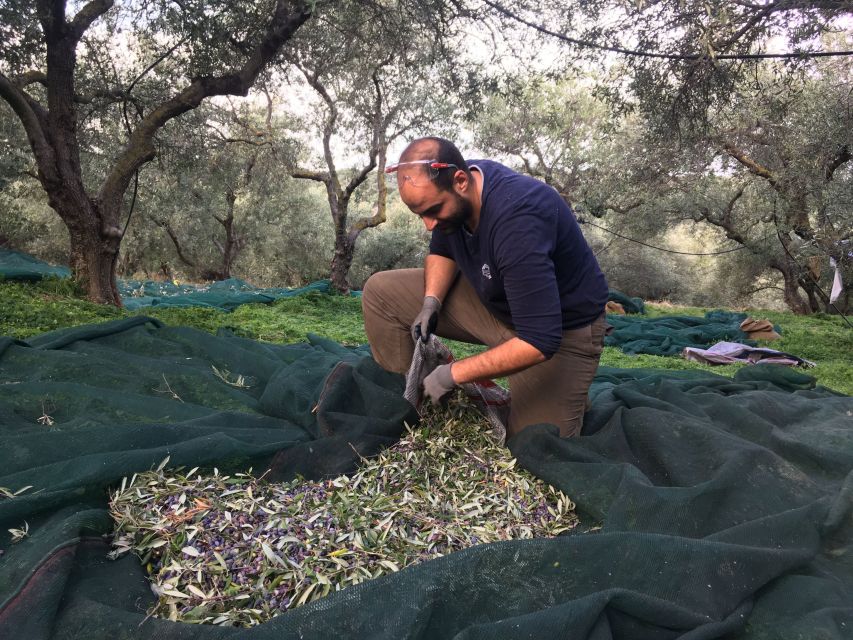
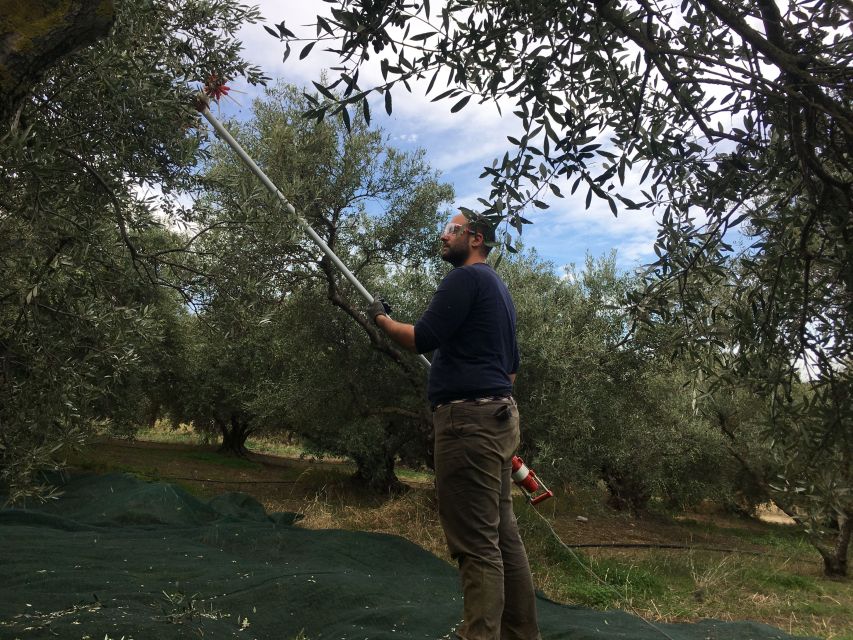
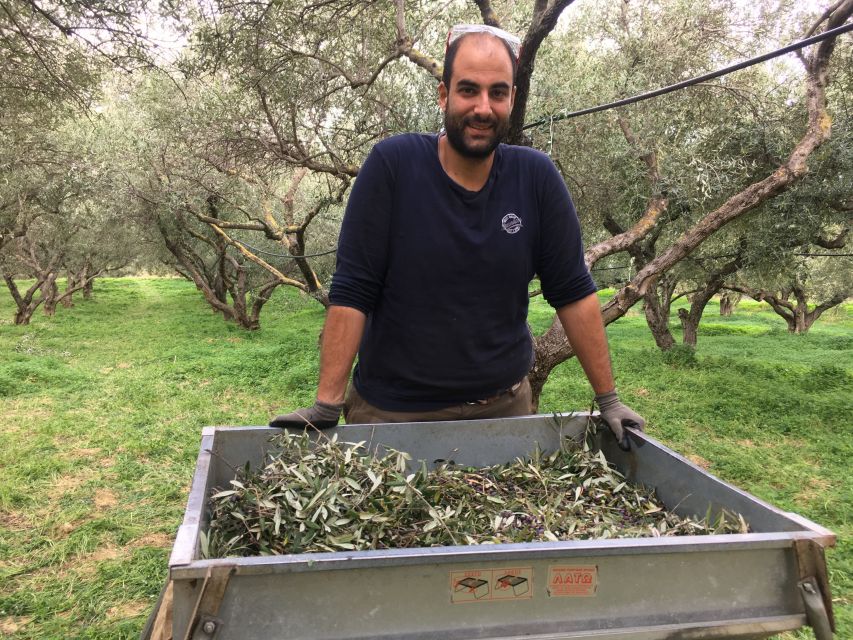
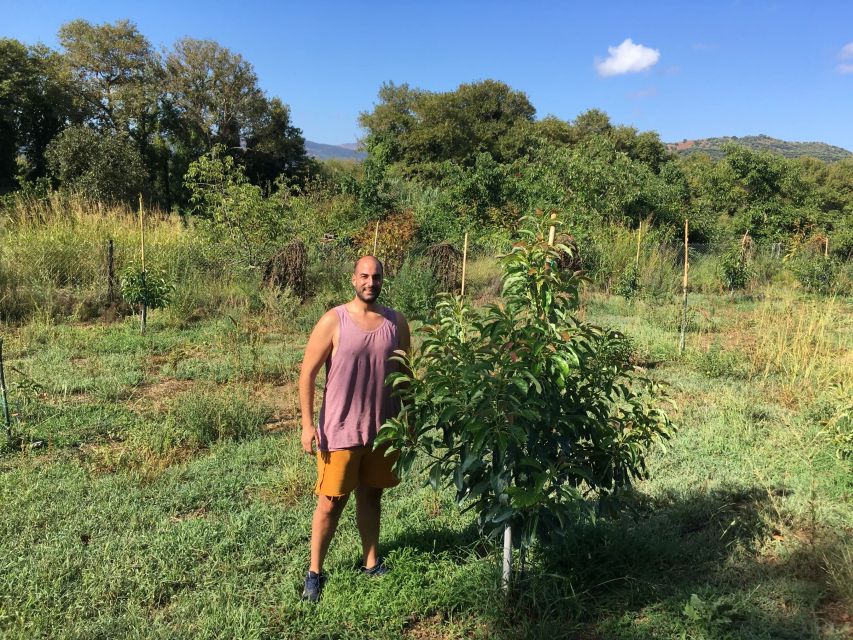
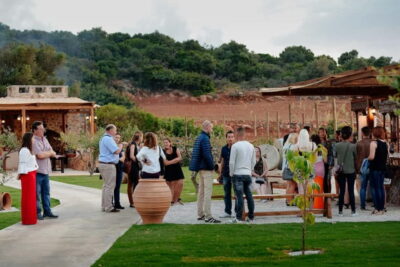
At a private olive grove, a farmer explains how different olive varieties affect production and quality. You also hear about grafting and irrigation, two subjects that make the visit more practical than a standard scenic drive. I would pay close attention here if you want to understand why two bottles labeled extra virgin can taste and cost differently.
The grove also provides fresh organic extra virgin olive oil to take home. That is a useful inclusion, not just a tasting spoonful, since you can compare it with oils you try later in Crete. Check how the oil is packaged and how much you receive before booking if that detail matters to you, as the exact quantity is not specified.
More Olive Oil Tours & Tastings in Chania
- Crete Wine and Olive Oil Tour
★ 5.0 · 272 reviews - Wine & Olive Oil Tour with Lunch at Milia Mountain Retreat
★ 5.0 · 194 reviews - Wine & Olive Oil Tour with Lunch – Semi Private Safari Tour
★ 5.0 · 156 reviews
From olive groves to a medieval mill
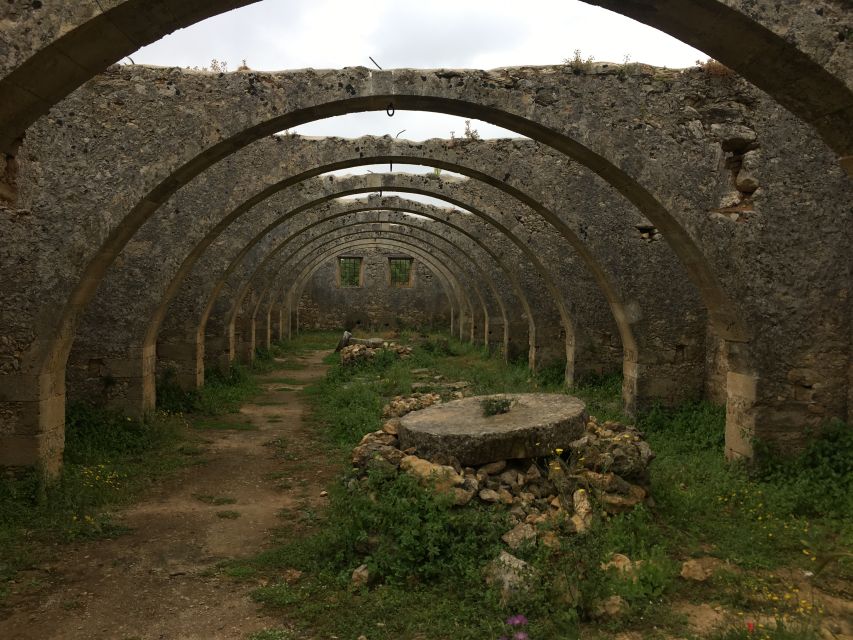
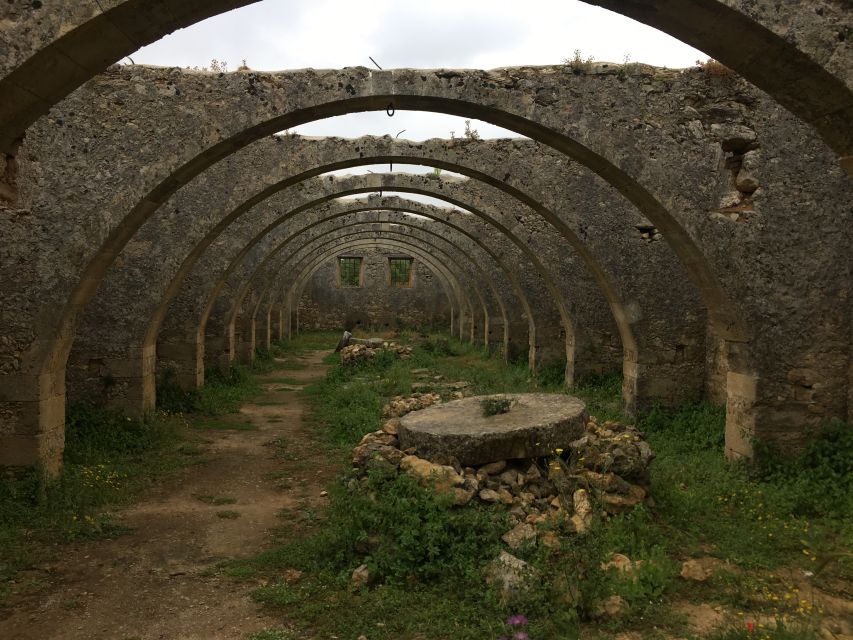
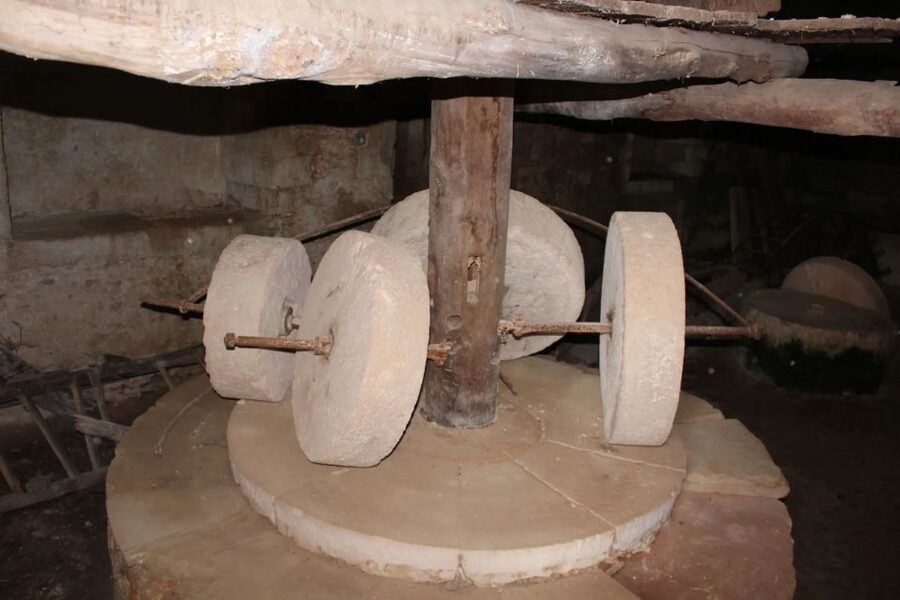
The old olive oil mill gives the day its strongest sense of time. Here, you see how olives were handled before modern machinery replaced much of the hard labor. The guide walks you through the process and explains the different stages used by Cretan farmers in earlier centuries.
This stop is especially good for visitors who enjoy machinery, rural customs, or the practical side of history. You are not simply looking at an old building. You are following the basic problem that every olive grower faced: how to turn harvested fruit into oil with the tools available at the time.
The wording of the tour describes this as a medieval mill, while the detailed stop is presented as an old olive oil factory. Either way, expect an historical processing site rather than a working modern plant. The value comes from seeing the contrast later in the day.
One small point to keep in mind is that entrance arrangements and fees can vary. Entrance fees, if applicable, are not included in the listed price. Your guide can explain what is covered as the day progresses.
A village valley, coffee, and lunch
The route continues through the Apokoronas area, a part of the Chania region known here for its villages, farming, running water, and wooded valleys. A coffee stop gives you time to pause after the first part of the tour and talk about local agriculture, plants, animals, and village life.
The stop in Vryses is particularly appealing because it combines food with scenery. The village has a small valley, trees, a river, and local geese. This is not a grand attraction, and that is part of its value. You get a look at a lived-in Cretan setting rather than spending the entire day at formal sights.
Lunch is listed as a one-hour stop, but lunch itself is not included. The tour does provide a box with water, a banana, an apple, and chocolate. I would treat that as a useful snack pack, not a full meal. Budget for lunch and drinks in Vryses or at another private stop.
The food stop also gives you a chance to ask about the Apokoronas villages. If you are interested in rural Crete, this conversation may be as worthwhile as the meal. You can learn how farming fits into daily life and why olive trees remain so central to the region.
The ancient olive tree near Chania
The visit to the ancient olive tree is the most unusual stop. It is described as more than 3,000 years old and possibly the oldest fruit-bearing tree in the world. The guide takes you away from the main visitor routes to see it in a quieter setting.
Claims about the oldest olive tree in Crete can differ, so I would treat the age as an estimate rather than a laboratory-certified fact. Still, a tree with a circumference large enough to make you stop and stare is a powerful sight. Its survival across so many generations gives the day a strong connection to the past.
This is also a good photo stop. The visit is not built around an elaborate museum or a long lecture. Instead, you see the tree, learn why it matters, and have time to take photographs. Wear shoes suitable for walking between rural stops, since the information does not promise paved paths at every location.
The ancient tree is a better fit for you if you enjoy small, distinctive sights. If you only want formal archaeological sites, it may feel modest. If you like places with a clear link to local life and nature, it may become the day’s most memorable moment.
More Traditional Village Tours in Chania
- Elafonissi Beach Day Trip from Chania -Stop in Elos Village
★ 4.5 · 744 reviews - The 7 Villages of Apokoronas Tour – Explore East Chania Mainland
★ 5.0 · 178 reviews - Elafonissi Beach Tour from Chania with stop in Elos Village
★ 4.5 · 168 reviews - From Chania: Imbros Gorge Guided Hike and Village Visit
★ 4.5 · 133 reviews
The modern factory and the final tasting
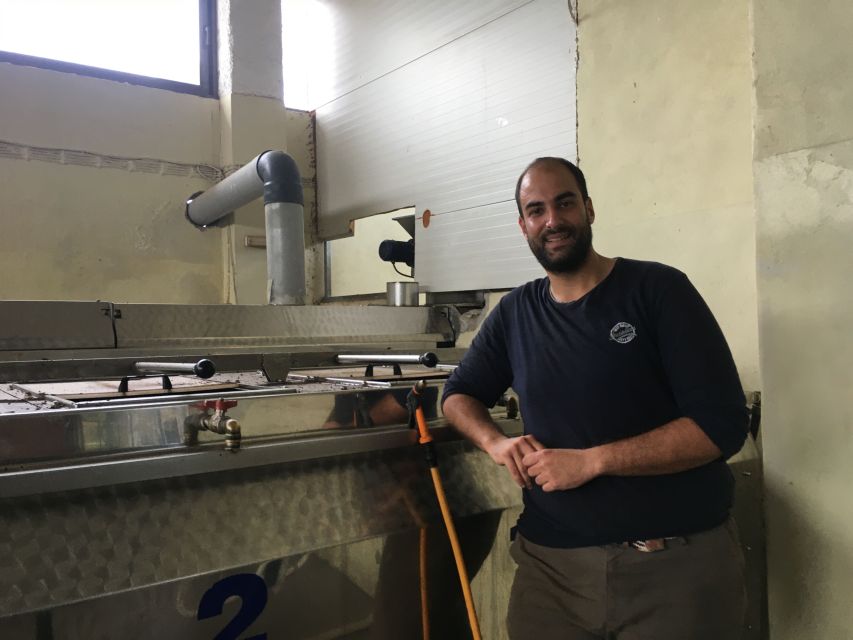
The final olive oil factory brings the story up to date. Here, your guide explains modern production, refinement, and processing beside the equipment and machinery used to handle the oil.
This stop helps answer the question raised by the old mill: what changed? Modern equipment makes processing more controlled and efficient, while the basic goal remains the same, extracting good oil from freshly collected olives. Seeing both facilities on the same day gives you a much clearer picture than visiting either one alone.
The tour ends with a free extra virgin olive oil tasting inside the factory. Listen for the details that connect taste with production. You can ask about grades, processing, and what separates extra virgin oil from lower grades.
The tasting is included, but the tour does not promise a full guided course in professional sensory evaluation. You should expect an accessible introduction with explanations from the guide and producer. It is useful for choosing bottles in Crete, though you may want to buy directly from a producer only after checking the packaging and transport rules for your trip home.
What the private format adds
The private group setup is a real advantage for this subject. Olive oil production raises plenty of small questions: when olives are picked, how trees are watered, what grafting changes, and how oil is graded. In a large group, those questions can get lost. Here, you can ask as you go.
The tour includes a professional licensed historian guide and driver certified by the Greek Ministry of Tourism, along with a professional farmer or olive oil producer. That combination matters. The guide can place the mills, villages, and tree in Cretan history, while the farmer brings the practical side of cultivation and processing.
Past feedback points to Apostolis as a particularly strong guide for this experience. If he is assigned to your outing, you can ask him about the monastery, the old mills, and the rural areas along the route. The activity information does not guarantee a specific guide, so confirm the assignment if that is important to you.
Flexible stops are another benefit. The operator allows possible changes or diversions according to your needs. That does not mean every request can be added, but it gives a private day more room to match your interests than a fixed group excursion.
Timing, pickup, and the value of $176
The tour costs $176 per person and lasts 7.5 hours. That is a serious price for a day in Crete, but the comparison is not simply with a bus ride. You are paying for private transport, a licensed guide and driver, a farmer-led grove visit, several guided stops, a modern factory tasting, snacks, and hotel pickup and drop-off from central Chania areas.
The price makes the most sense for two or more people who value privacy and conversation. A solo visitor may find the per-person cost harder to justify, while a couple or small private group can spread the benefit of having a vehicle and guide to themselves.
Pickup is available from central Chania areas, and the tour also works as a shore excursion for Chania and Souda cruise ports. You should wait in your hotel lobby 10 minutes before the scheduled pickup time. Starting times depend on availability, so check the schedule before building the day around it.
The route includes about 30 minutes for one guided regional visit, 1.5 hours for a Chania-area guided visit, one hour at another stop, 50 minutes for coffee, 70 minutes for a visit and photo stop, one hour for lunch, and another hour of sightseeing. These time blocks show why the day feels full. You will not be lingering for hours at one attraction.
Free cancellation is available up to 24 hours before departure, and you can reserve now and pay later. Those terms are useful if your Chania plans may shift, but always check the current booking conditions at the time you reserve.
Who should book this olive oil day?
I would recommend this tour if you want rural Crete, food culture, and local history in one outing. It suits couples, families with older children, small private groups, and cruise passengers who want more than a short port-side walk.
It is also a good choice if you have already seen Chania’s old town and want a different side of the region. The villages, river valley, grove, mills, and old tree show how much of Crete lies beyond the harbor and city walls.
You may want a different excursion if your main goal is beach time, archaeological ruins, or a relaxed half-day. The schedule includes driving, walking, viewpoints, factory visits, and several conversations. It is rewarding, but it is not slow-paced.
The current rating is 4.4 from nine verified bookings. The strongest praise centers on the choice of sights, the guide’s historical knowledge, the olive-growing explanations, the old and modern mills, and the ancient tree. The most useful personal detail comes from Janet of the United States, who rated Apostolis as her favorite guide during three weeks in Greece and found the day worth the cost. That is a good sign for travelers who care about guiding as much as sightseeing.
Should you book it?
Book this Chania olive oil tour if you want a private, full-day introduction to the farming culture around the city, with real variety from grove to mill to village. The ancient tree, Vryses valley, and two-stage look at olive processing give it more substance than a standard tasting visit.
Skip it if you dislike long outings, do not want to pay extra for lunch, or prefer to spend the day in Chania itself. For the right visitor, though, the $176 price buys access to places and conversations that are difficult to arrange independently, plus transport and a bottle of organic extra virgin olive oil to take home.
FAQ
Where does the Chania private olive oil tour begin?
Pickup is included from all central Chania areas. You should wait in your hotel lobby 10 minutes before the scheduled pickup time.
How long does the tour last?
The tour lasts 7.5 hours, with starting times based on availability.
Is this a private tour?
Yes. The activity is arranged for a private group rather than a shared group.
What languages are available?
The live guide service is available in English and Greek.
Is lunch included?
Lunch and drinks at the private tour stops are not included. A box with water, a banana, an apple, and chocolate is provided.
Do I receive olive oil to take home?
Yes. Organic extra virgin olive oil from the private grove is provided free to take home, and the tour also includes an extra virgin olive oil tasting at the modern factory.
Will I visit both an old and a modern olive oil mill?
Yes. The tour includes a visit to an old olive oil mill showing earlier processing methods and a modern olive oil factory explaining current production, refinement, and processing.
Is the ancient olive tree visit included?
Yes. The route includes a visit to an ancient olive tree estimated at more than 3,000 years old and described as possibly the oldest fruit-bearing tree in the world.
Can the tour be canceled for a refund?
You can cancel up to 24 hours in advance for a full refund. The tour also offers a reserve-now, pay-later option.
More Olive Oil Tastings in Chania
- Chania: Milia Mountain Tour w/Lunch Olive Oil/Wine Tastings
★ 4.9 · 97 reviews - Wine & Olive Oil Tour with lunch at the White Mountains
★ 5.0 · 71 reviews - From Chania Private half day Winery-Olive factory-Kournas lake
★ 5.0 · 50 reviews - Chania: Elafonisi & Falasarna Private Tour w/olive oil tasting
★ 5.0 · 46 reviews
Just added around Chania
- Cooking Class & Greek Night Experience★ 5.0 · 3 reviews
- Chania: Private Guided Food and Wine Walking Tour with Lunch★ 5.0 · 3 reviews
- Chania: Knossos Palace – Archaeological museum!★ 3.4 · 3 reviews
- Chania Highlights:Venizelos, Stavros, Agia Triada & Marathi★ 5.0 · 3 reviews
- Chania: Private Tour to Balos Lagoon★ 5.0 · 3 reviews
- Your Tailored Samaria Tour That Nobody Will Believe. From Chania.★ 5.0 · 3 reviews
- Sips of Crete: Flavors, Legends & Hidden Gems★ 5.0 · 3 reviews
- Elafonisi Beach Tour★ 3.3 · 3 reviews
Olive Oil Tours & Tastings, compared.
Zeus Cave -Old Traditional Villages-Olive Oil Factory
Read our review →
Olive Farm Tour with Tasting of Local Delicacies
Read our review →
Zeus Cave, Lassithi Plateau, Olive Oil Factory, Kritza, Pottery
Read our review →
Knossos, Lasithi, Lasinthos and Olive Farm Combo Tour
Read our review →Browse the lists this tour appears in