
Reviewed · OLIVE OIL TOURS & TASTINGS
Crete: Full-Day Cretan Wines, Olive Oil, Raki and Food Tour
Crete’s best food tour is not about sitting at a polished tasting bar. It takes you into the countryside, where olive oil, wine and raki are still tied to family work, village customs and long meals. You visit an olive mill, an organic family winery, an old-style raki distillery, a local taverna and a pottery workshop in one busy but rewarding day.
I like the small group, limited to eight, and the warm local connections. Guides such as George and Antonis are praised for their humor, care and strong knowledge of Crete. I also like the mix of tasting and making: you sample five wines and several raki styles, then get the chance to work with clay.
The main consideration is pace. Eight hours is packed with stops, food, drinks and driving, and one person found the day a little long. Come hungry, pace yourself with the raki, and remember that the pottery studio is closed on Sundays.
In This Review
- Key points to know before booking
- Why this Crete food tour feels different
- The 30-minute ride into rural Crete
- Skalani: olive groves, fresh oil and a generous first stop
- The family winery and five Cretan wines
- The raki distillery and the old wine press
- Lunch in a traditional village taverna
- Thrapsano pottery: a hands-on final stop
- What the $141 price gets you
- Who will enjoy this day most
- Practical advice for a smoother day
- Should you book the Cretan Wines, Olive Oil, Raki and Food Tour?
- FAQ
- How long does the tour last?
- Is hotel pickup and return included?
- How many people are in the group?
- Which languages are available?
- Is the pottery workshop available every day?
- Can I request a special meal?
Key points to know before booking
- Five wines at a family-owned organic winery: You tour the vineyards and winery before tasting a broad selection.
- Olive oil starts the day: The olive grove and mill visit explain how a basic Cretan staple is produced.
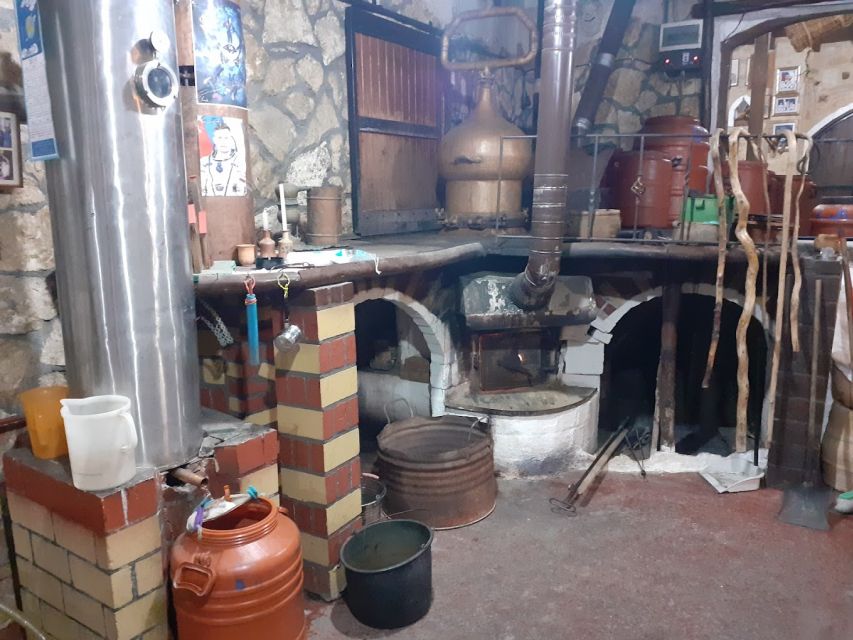
- Raki is more than a quick shot: The distillery uses an ancient wine press and offers a closer look at the island’s most famous spirit.
- Lunch is a real village meal: Expect a generous stop at a traditional taverna, with local dishes and more regional hospitality.
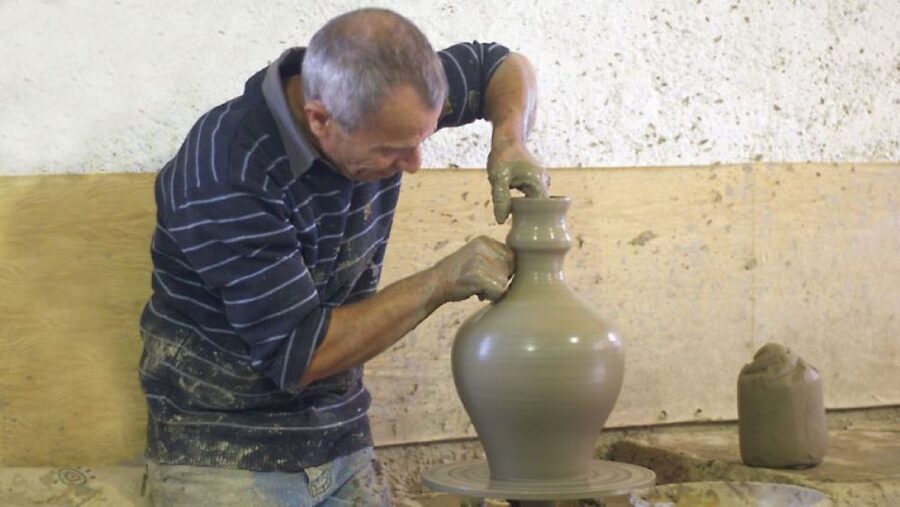
- Pottery gives the day a hands-on finish: In Thrapsano, you can watch a skilled maker and try the wheel yourself.
- Small groups make the difference: With no more than eight people, it is easier to ask questions and share a meal.
Why this Crete food tour feels different
I like tours that use food as a way into local life, and this one gets that balance right. You are not simply driven from one shop to the next to collect samples. At each stop, someone explains a working tradition: growing olives, pressing oil, tending vines, distilling grape spirit or shaping clay.
The tour follows areas known for vineyards and olive groves, with agricultural traditions reaching back to the Minoan era. You do not need a history degree to enjoy this, but the background helps you understand why these products matter so much in Crete. Olive oil is not just something poured over a salad, and raki is not just a strong drink after dinner. Both are part of the island’s daily and social life.
The strongest part is the personal scale. The businesses are family-run, and the tour leaders have established relationships with the people you meet. George is especially praised for making the day feel relaxed and friendly, while Antonis is described as warm, funny and well informed. That matters because a small producer can feel much more open when the person leading your visit knows the family.
More olive oil tastings around Crete:
- Crete: Quad Safari, Olive Mill with Tasting & Ghost Village
★ 4.9 · 1,004 reviews - Knossos-Zeus Cave -Old Traditional Villages-Olive Oil Factory
★ 5.0 · 694 reviews - From Chania: Olive Oil, Wine, Cheese & Honey Tasting Tour
★ 4.6 · 490 reviews
The 30-minute ride into rural Crete
Pickup and return to your accommodation are included. The day begins with a drive of about 30 minutes, followed by shorter transfers between most stops. The van keeps the route practical, especially after lunch and tastings, and you do not need to plan a designated driver.
The small-group format is useful here. A group of eight or fewer can get in and out of the van without the usual tour-bus shuffle. You also have a better chance to hear the guide while driving and to ask about places, customs and food.
That said, this is a full eight-hour outing. The route has several stops, and the day can feel full rather than leisurely. I would not book it if you want a slow morning at the beach or a flexible afternoon. I would book it if you want to use one day to reach several rural producers without arranging a car, directions and tastings yourself.
Skalani: olive groves, fresh oil and a generous first stop
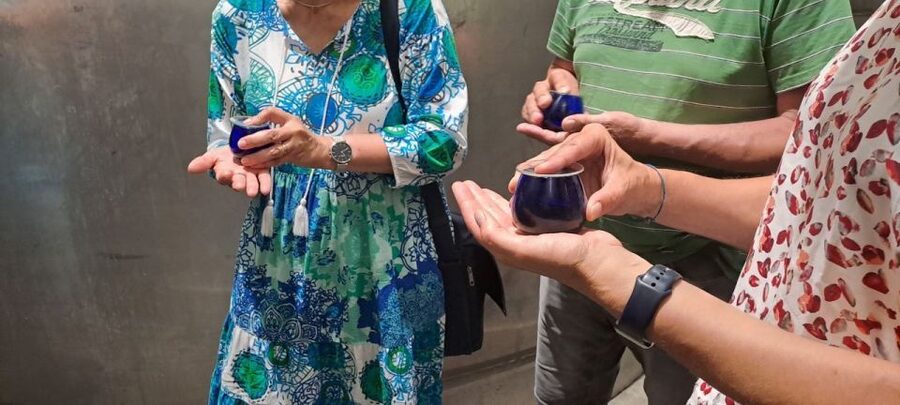
The first main visit is in Skalani, an area known for olive growing and wine production. You tour an olive grove and then visit a local olive mill, where the guide explains the process before you taste fresh olive oil.
This is a smart opening stop because olive oil gives you a simple way to start tasting like a local. Pay attention to the smell, peppery finish and texture instead of treating every oil as the same. The tasting may be accompanied by local snacks such as bread, cheese, fruit, tomatoes and raki, making it feel more like a Cretan welcome than a formal product sample.
Several details make this stop especially useful. You see the trees first, then the mill, then taste the result. That sequence connects the farming, production and table in a way a supermarket bottle cannot.
You may also have a chance to buy olive oil directly from the producer. Bring some cash as a backup. One visitor found that card payments were difficult at several stops after a storm affected internet service, even though many places normally accept cards.
The family winery and five Cretan wines
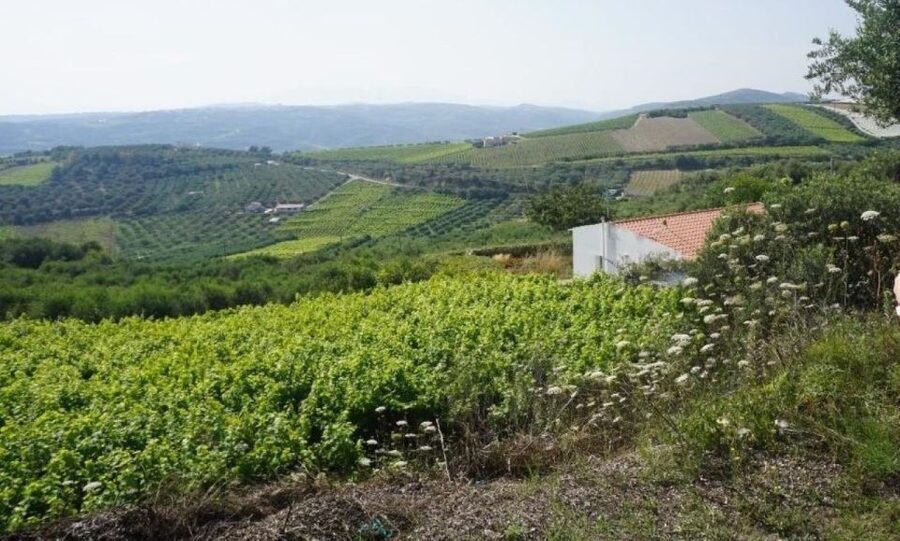
The second major stop is a family-owned winery that uses organic cultivation methods. You walk through the vineyards, visit the winery and then taste five wines while taking in the countryside views.
Five wines give this stop enough range to be more than a token tasting. Your guide can place the wines in the context of the vineyard and local production, which helps you understand what you are drinking. The focus is on Cretan wine and the work behind it, not on a hurried pour followed by a sales pitch.
The winery has also been praised for its personal welcome and for being woman-owned, a detail that adds interest to the visit. You get a look at a smaller producer and the people shaping modern Cretan wine, rather than only seeing a large commercial operation.
A small point to keep in mind: food pairings are not clearly promised at the winery itself. The tour includes snacks and lunch elsewhere, but if you are especially interested in matching each wine with food, this may not be a formal part of the tasting. The wine portion is still substantial, but come for the wines and setting rather than a full sommelier-style class.
More Crete wineries worth an afternoon:
- Crete: Land Rover Safari with Sunset Viewing, Dinner, & Wine
★ 4.9 · 395 reviews - From Chania: Wine and Olive Oil Tasting Tour with Snacks
★ 4.8 · 354 reviews - Crete Wine and Olive Oil Tour
★ 5.0 · 272 reviews - Wine & Olive Oil Tour with Lunch at Milia Mountain Retreat
★ 5.0 · 194 reviews
The raki distillery and the old wine press
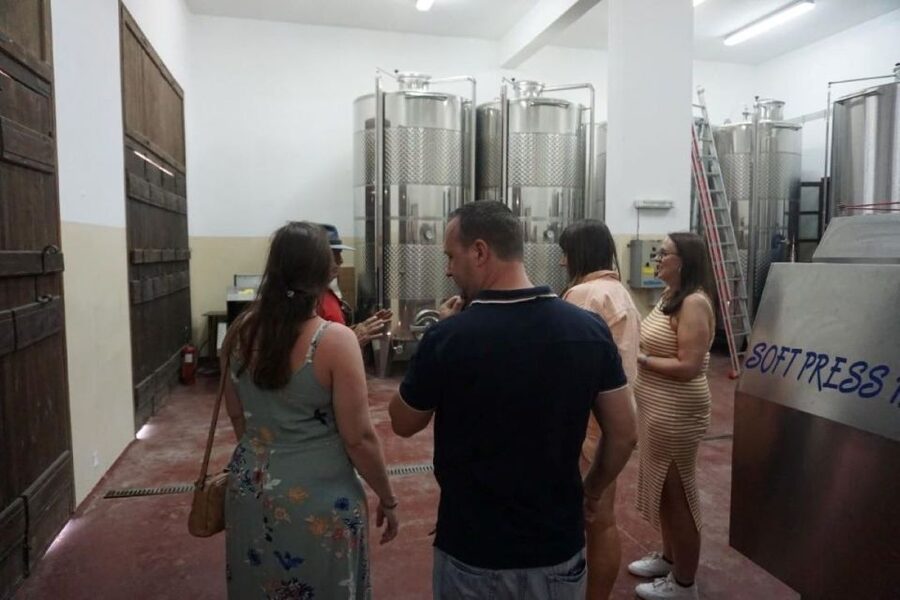
The raki stop is where the tour gets its strongest sense of place. Raki, also called tsikoudia in Crete, is made from grape remnants after wine production. Here, you tour a distillery with an ancient wine press and learn how the spirit connects to the island’s farming traditions.
You taste raki in the rakokazano, along with wine and local snacks. The distillery is not simply a bar stop. The production setting and old equipment give the drink a story, and the guide can explain how agriculture, winemaking and distilling overlap.
Be ready for a generous pour. The classic spirit can be strong, and flavored versions may also appear. Lemon raki and a variety described as tasting like Christmas were particular favorites for some people, but you should still pace yourself. With wine earlier and lunch still ahead, it is perfectly sensible to taste rather than finish every glass.
This was a favorite stop for many people because it feels less predictable than a standard winery visit. You are seeing an older Cretan tradition in a working setting, and the hosts offer the easy hospitality that often makes a small producer memorable.
Lunch in a traditional village taverna
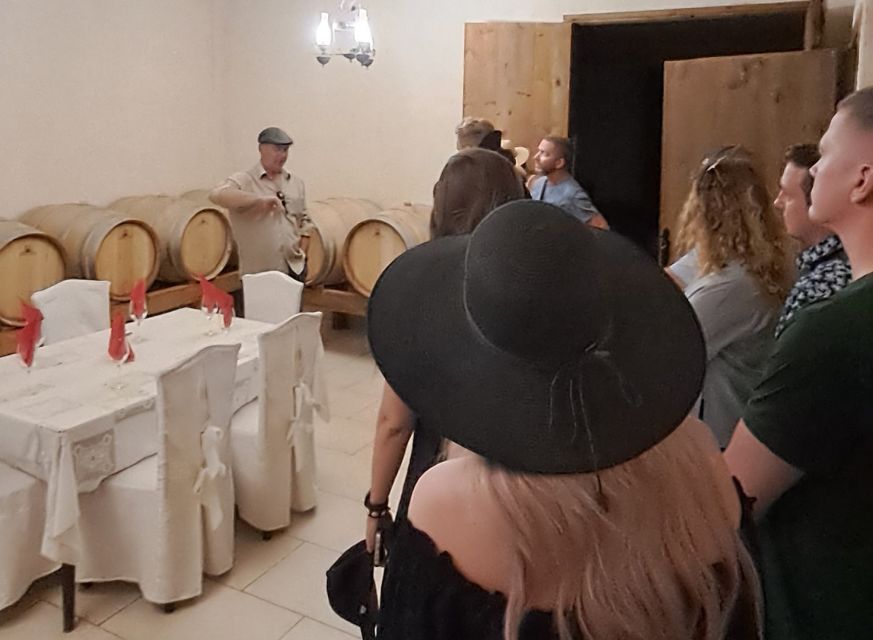
After the distillery, the van takes you to a traditional village for lunch. This is not an afterthought or a quick sandwich between attractions. The meal is described as plentiful, delicious and made up of local specialties, with a setting that feels more like a family gathering than a restaurant stop designed for a large coach.
Expect food to be shared, generous and social. The meal may include several courses and more raki, so leave room and keep your pace moderate. The point is not to study every dish in isolation. It is to sit down, eat well and talk with the small group and your hosts.
I value this part of the day because food culture makes more sense at a table. You can ask about ingredients, customs and village life while eating the same sort of meal that gives Cretan hospitality its reputation. One person called it the best meal of a Greece trip, while another compared the gathering to a Lebanese family meal.
Dietary needs should be shared with the local operator at least 48 hours ahead. Vegetarian requests, allergies and other meal concerns can be discussed in advance. This is important because the lunch is a central part of the day, not a minor included snack.
Thrapsano pottery: a hands-on final stop
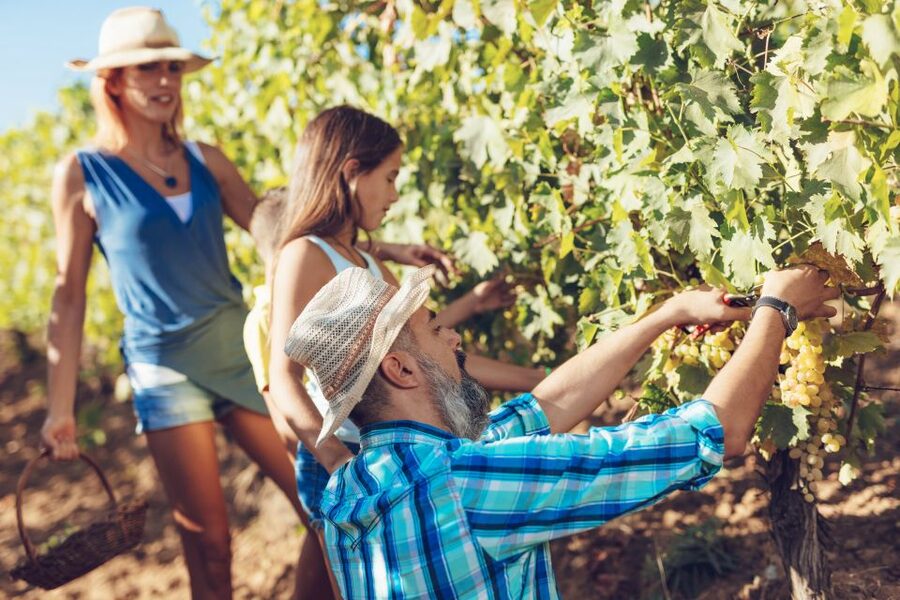
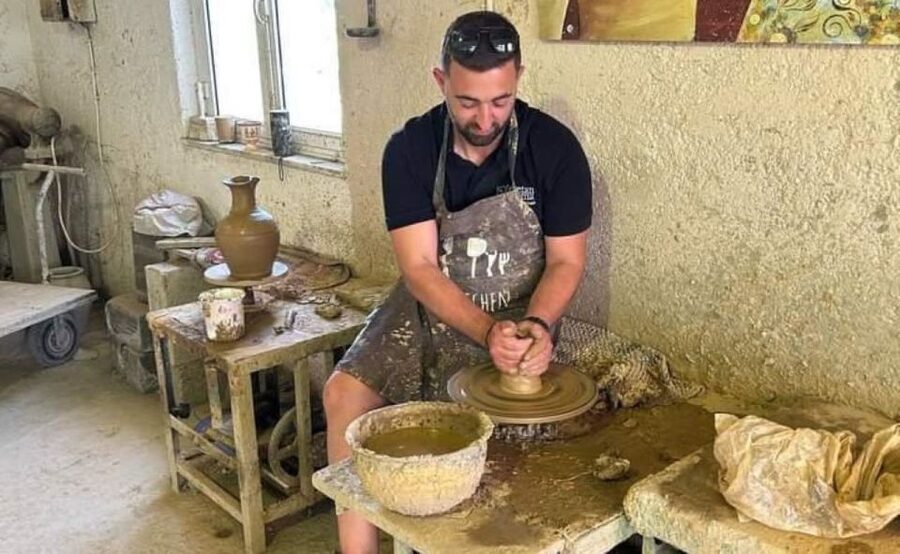
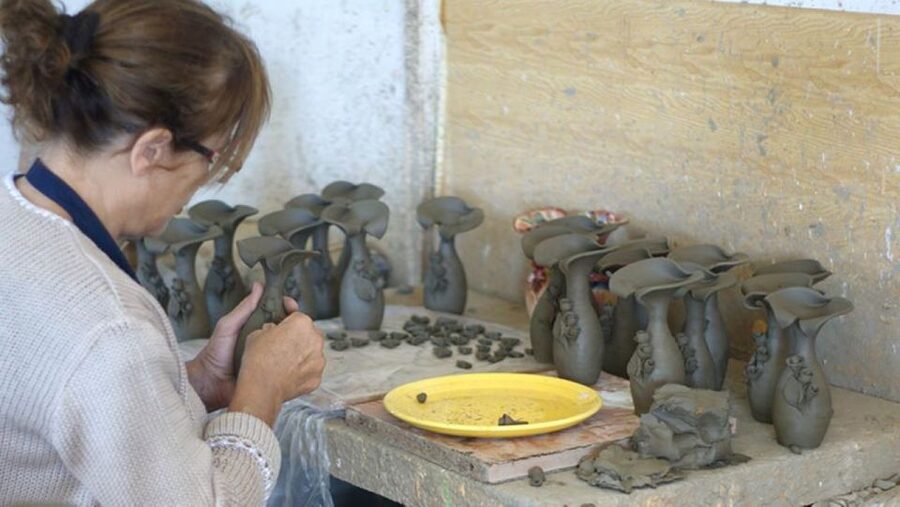
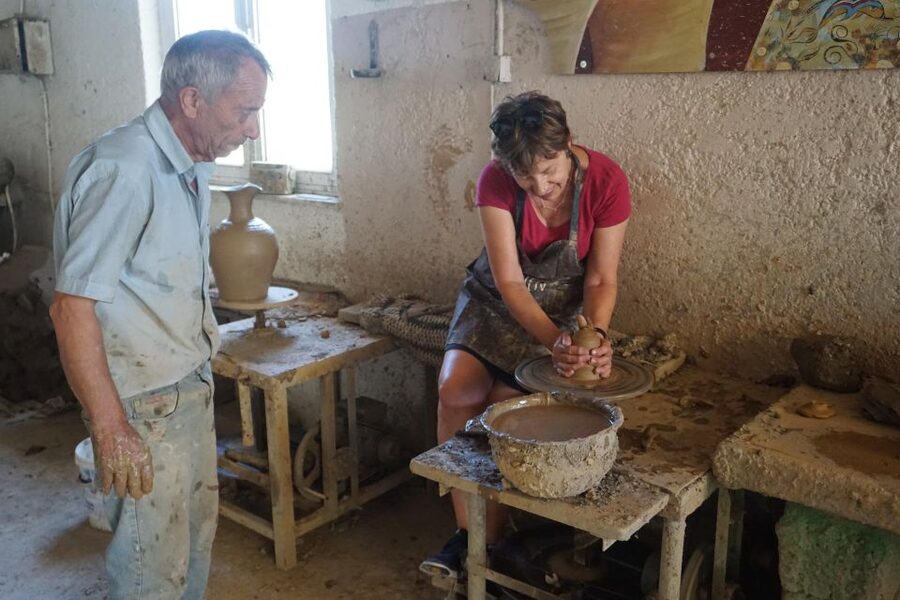
The final visit takes you to Thrapsano, a traditional village famous for pottery. At a local studio, you watch the maker work and learn about the craft before having the option to try the wheel yourself.
This is a clever ending. After a day centered on things you taste, pottery gives you something physical to do. Making a small pot is harder than it looks, and the fun comes from trying, laughing at the wobbly result and receiving help from the professional.
The workshop is optional, so you can watch if you prefer. The pottery lab is not available on Sundays, which is the one clear schedule limitation to note. If this hands-on part is important to you, choose another day.
You may also be able to buy pottery directly from the studio. Shipping was described as attainable by one person, but personal purchases and shipping are not included in the tour price. Treat this as an optional extra rather than part of the package.
What the $141 price gets you
At $141 per person, this is not a cheap tasting walk, but the price covers a great deal: accommodation pickup and return, transport, an experienced guide, the olive grove and mill, a guided winery visit, five wine tastings, the raki distillery, wine and raki tastings, lunch and the pottery studio visit.
The value comes from the connections between the stops. If you hired a car, you would still need to find producers willing to receive you, arrange tastings, navigate rural roads and avoid drinking before driving. A private day of similar length would usually cost more, while a large bus tour would likely offer less personal contact.
The tour also supports smaller producers, including family businesses and an organic winery. That gives your spending a more direct connection to local work than a generic food excursion.
Personal expenses are not included. Set aside money for olive oil, wine, pottery or other products you want to take home. Cash is wise, even if card payment is usually possible.
Who will enjoy this day most
I would recommend this to you if you want food, drink, craft and culture in one outing. It works especially well for couples, friends and solo visitors who enjoy meeting people in small groups. The limit of eight makes conversation easy, and several people liked sharing lunch with people from different countries.
You should also enjoy a social atmosphere. This is not a quiet private tasting. The guide may joke with the group, and the meal and raki can become lively. That warmth is part of the appeal, but people seeking a very formal wine lesson may want a dedicated winery tour instead.
The tour suits food and wine enthusiasts, but you do not need expert knowledge. The guides explain processes in an approachable way, and the range of stops keeps the day varied. Families with children should consider the alcohol-centered schedule and the optional pottery activity carefully, since the tour is designed mainly around adult food and drink experiences.
Practical advice for a smoother day
Wear comfortable clothes and shoes suitable for walking around groves, vineyards, mills and village studios. Bring water, sunglasses and room in your bag for small purchases.
Eat a light breakfast. The day begins with brunch or local snacks and continues with tastings, then a substantial lunch. Arriving very hungry may be useful, but arriving with no food in you at all is not ideal when wine and raki begin early.
Pace the alcohol. The tour is generous with wine and raki, and the relaxed atmosphere can make it easy to lose track. Drink water when you can and do not feel obliged to finish every sample.
Check the day of the week before booking. The pottery lab is unavailable on Sundays, so the final stop may not include the workshop then.
The activity offers live guiding in English and Greek. Cancellation is free up to 24 hours before the start, and you can reserve now and pay later. Starting times depend on availability, so check the current schedule when booking.
Should you book the Cretan Wines, Olive Oil, Raki and Food Tour?
I would book it if you want one well-filled day that explains Crete through the people who grow, make, cook and shape its traditional products. The olive oil tasting, family winery and raki distillery form a strong core, while the taverna lunch and pottery workshop keep the experience from becoming a string of tastings.
Skip it if you dislike alcohol, prefer a slow schedule or want a focused wine education. For everyone else, $141 is fair for the transport, meal, small group and number of personal visits included. Choose a non-Sunday date if pottery matters to you, tell the operator about dietary needs early, and bring cash for purchases. This is a practical way to see rural Crete without giving up a full day to driving and planning.
FAQ
How long does the tour last?
The tour lasts eight hours, including transport between the pickup area in Crete and the rural stops.
Is hotel pickup and return included?
Yes. Transport pickup and return to your accommodation are included.
How many people are in the group?
The tour is limited to eight participants, making it a small-group experience.
Which languages are available?
Live guiding is available in English and Greek.
Is the pottery workshop available every day?
No. The pottery lab is not available on Sundays. The studio visit is listed as optional.
Can I request a special meal?
Yes. Contact the local operator at least 48 hours in advance with dietary requests, including food allergies or vegetarian needs.
More Full-Day in Crete
- From Chania: Full-Day Samaria Gorge Trek Excursion & Guide
★ 4.6 · 3,191 reviews - From Rethymno: Samaria Gorge Full-Day Trek, Pickup & Guide
★ 4.5 · 1,610 reviews - Full-Day Land Rover Safari from Heraklion with Lunch
★ 5.0 · 1,351 reviews - Full-Day Small-Group Tour in Crete with Zeus Cave Visit
★ 5.0 · 1,099 reviews
More Food Tours in Crete
- Crete: Sunset or Morning Quad with Local Products Tasting
★ 4.9 · 1,135 reviews - Heraklion: Olive Farm Tour with Tasting of Local Delicacies
★ 4.9 · 411 reviews - Chania: Old Town Highlights Guided Tour with Street Food
★ 4.9 · 407 reviews - Walking “Food tasting tour” in the town of Chania
★ 5.0 · 297 reviews
Just added around Crete
- Knossos palace (Last minute booking – Skip The Line Ticket)★ 4.5 · 3 reviews
- Crete: Knossos Palace & Heraklion City Tour★ 3.5 · 3 reviews
- Cooking Class & Greek Night Experience★ 5.0 · 3 reviews
- Full-Day Tour:Lasithi Plateau -Mythology Park&Knossos Palace★ 3.0 · 3 reviews
- Chania: Private Guided Food and Wine Walking Tour with Lunch★ 5.0 · 3 reviews
- Knossos: Knossos Private Guided Tour★ 5.0 · 3 reviews
- Individual travel accompaniment East Crete★ 5.0 · 3 reviews
- Chania: Knossos Palace – Archaeological museum!★ 3.4 · 3 reviews
Olive Oil Tours & Tastings, compared.

Zeus Cave -Old Traditional Villages-Olive Oil Factory
Read our review →
Olive Farm Tour with Tasting of Local Delicacies
Read our review →
Zeus Cave, Lassithi Plateau, Olive Oil Factory, Kritza, Pottery
Read our review →
Knossos, Lasithi, Lasinthos and Olive Farm Combo Tour
Read our review →Browse the lists this tour appears in