
Reviewed · OLIVE OIL TOURS & TASTINGS
Crete: Olive Oil, Soap, Wine, Raki – Flavorful Culinary Journey
Crete’s best stories often begin inland, among olive groves and small family businesses. This six-hour outing from Heraklion takes you past the beach resorts and into the island’s food traditions, with olive oil, wine, raki, soap, and a generous village lunch leading the way.
I like two things right away: the small-group format, capped at 15 people, and the chance to meet the people who actually make the products. Guides including Tony, Eleni, and Angelica are praised for their friendly island commentary. I also like the mix of tasting and craft, especially the soap-making demonstration, which many people do not expect.
The main caution is that this is a packed day, and lunch may not arrive until around 3 p.m. Summer heat can be strong, some stops may not offer water, and the wine service has not always been perfectly chilled. Eat breakfast, carry water, and bring sun protection.
In This Review
- Key points to know before booking
- Leaving Heraklion for Crete’s wine country
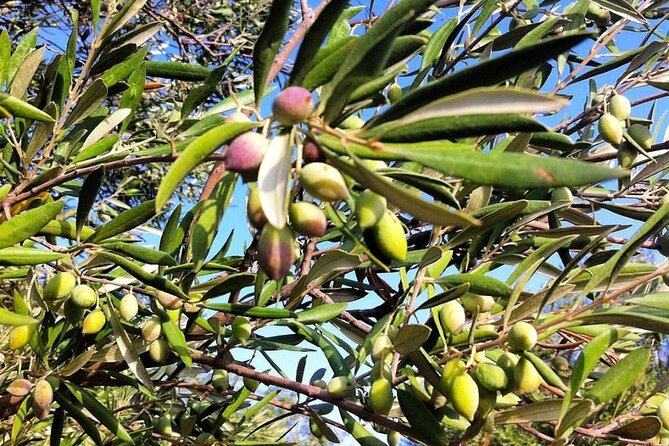
- The olive mill and the taste of fresh oil
- Wine tasting, from small producer to larger winery
- Raki, friendship, and a small family distillery
- The unexpected soap-making stop
- Lunch at a village tavern around 3 p.m.
- What $111.26 buys you
- Heat, walking, and other practical details
- Who will enjoy this Cretan food tour most
- Should you book the Olive Oil, Soap, Wine, Raki journey?
- FAQ
- How long does the experience last?
- Where does the tour take place?
- Is hotel pickup available?
- What tastings are included?
- Is lunch included?
- How many people can join the tour?
- Is the tour wheelchair accessible?
- What is the cancellation policy?
Key points to know before booking
- Olive oil with a personal touch: Visit a family-run mill, learn how the oil is produced, and taste several oils with bread.
- Wine and raki in small settings: Sample three indigenous wines and barrel-aged raki, with additional tastings possible at the family-run distillery.
- Soap making is a real highlight: See how olive oil becomes handmade soap and take part in a demonstration.
- Lunch comes late but brings local flavor: Share a traditional light meal at a tavern in Peza Village or the surrounding wine country.
- Guides shape the day: Tony, Eleni, and Angelica have received special praise for friendly service, practical help, and local information.
- Plan for uneven ground: The olive farm and winery involve walking on sloping or uneven surfaces, stairs, and short property walks.
Leaving Heraklion for Crete’s wine country
The tour begins with pickup in an air-conditioned vehicle. The exact time and location are confirmed by text message or email, so check your booking contact details carefully. Communication has sometimes arrived only the evening before, which is useful once it comes through but not ideal if you like to plan your morning well ahead.
From Heraklion, the route heads toward the Peza area, a major wine-producing part of central Crete. The drive is part of the experience. You see the countryside change as the city gives way to olive trees, vineyards, and small rural properties.
The group size matters here. With a maximum of 15 people, the day should feel more personal than a large coach excursion. Many departures are much smaller, sometimes only a handful of people split between two vans. That gives you a better chance to ask questions and talk with the guide, though the quality of commentary can depend on which driver you receive.
Tony is often singled out for explaining local customs and pointing out details during the drive. Eleni and Angelica have also been praised for warm, helpful guiding. If you have a chance to request a guide, Tony is a popular choice, but availability is not guaranteed.
More Food Tours in Heraklion
- Crete: Sunset or Morning Quad with Local Products Tasting
★ 4.9 · 1,135 reviews - Heraklion: Olive Farm Tour with Tasting of Local Delicacies
★ 4.9 · 411 reviews - Heraklion: E-Bike Food Tour – Discover the Flavors of Crete
★ 5.0 · 106 reviews
The olive mill and the taste of fresh oil
Olive oil is not just another item on this tour. It is one of the foundations of Cretan cooking and daily life, and the visit gives you a useful look at what sits behind the bottle on a shop shelf.
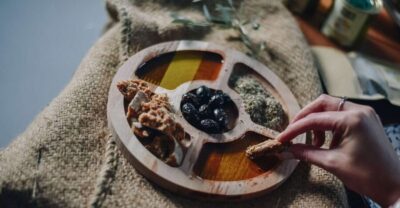
At the olive mill, you learn how olives are processed into oil and taste several varieties with bread. The experience is educational without requiring technical expertise. You can focus on the differences in aroma, peppery finish, and texture, then connect those flavors to the food you eat later at lunch.
The setting may be a working family operation rather than a polished museum. That is part of its appeal, but it also means facilities can be basic. One account notes that the small farm had no public bathroom, with visitors using the family home instead.
The farm may also include unusual products such as dragon fruit, olive products, herbal tea, olive marmalade, and yogurt with bergamot. These extras are tied to the particular host and should not be treated as guaranteed parts of every departure. The important point is the direct contact with a small producer and the chance to ask about farming challenges, including water shortages.
For the walk around the property, wear shoes with a secure sole. The route has been described as roughly 50 yards over uneven, sloping dirt. It is short, but it may be uncomfortable for anyone with limited balance or mobility.
Wine tasting, from small producer to larger winery
Wine is the second major thread of the day. You taste three indigenous Cretan varieties and learn how local grapes are turned into wine. The focus is not simply on drinking. It is on understanding what makes Cretan wine different from familiar bottles at home.
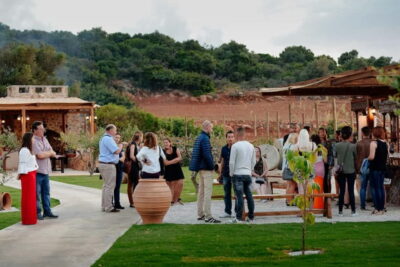
Some departures visit a very small family wine producer, where the owner may lead the tasting. This creates an intimate setting and gives you room for questions. You may also walk among vines, see grapes growing, and take photographs among the rows.
Another stop can show how a larger Cretan producer operates. Titakis Winery has been mentioned as a contrast to the tiny family operation, with three wines and a few food pairings. This comparison is useful because it shows two sides of local wine production: small-scale hospitality and more organized commercial production.
One important expectation check: this is not always a scenic vineyard tour. Some facilities are production sites with only a small display of vines. If you are seeking sweeping vineyard views or an extended cellar visit, this may feel more like a tasting and education day than a wine-country photo tour.
The wine service has been praised overall, but one account found the wines too warm to enjoy. That is worth noting, especially if wine is your main reason for booking. Conditions may vary by stop, but you should not assume every sample will arrive at ideal tasting temperature.
The winery walk can last about 30 minutes and may include staircases and sloping surfaces. Good walking shoes will help, and anyone with mobility concerns should read the physical requirements carefully before paying.
Raki, friendship, and a small family distillery
Raki is part of the social fabric of Crete. The clear spirit is traditionally made from grape pomace, and offering a small glass can be a gesture of welcome as much as a tasting.
At the raki stop, you taste raki aged in a barrel. Depending on the producer and departure, you may also sample wines, liqueurs, honey-mixed raki, or wine liquor. The family-run setting is often the most personal part of the day, with the host explaining how the spirit is made and why it matters in Cretan life.
Do not approach this as a serious spirits seminar with a long technical lecture. It is more relaxed and social. You learn through conversation, small pours, and local snacks. The raki can be strong, so pace yourself, particularly if you are also tasting wine before lunch.
The scale of the operation is part of the point. You may visit a tiny distillery rather than a large industrial facility. That can mean fewer formal amenities, but it also lets you see how closely production remains tied to family life and hospitality.
More Olive Oil Tours & Tastings in Heraklion
- Knossos-Zeus Cave -Old Traditional Villages-Olive Oil Factory
★ 5.0 · 694 reviews - Crete: Knossos, Lasithi, Lasinthos and Olive Farm Combo Tour
★ 4.5 · 351 reviews - Knossos & Lasithi Plateau: Zeus Cave,Villages, Olive Oil Tour
★ 5.0 · 328 reviews - Private Tour-Knossos Palace Zeus Cave Olive Oil Mill & Wine
★ 5.0 · 135 reviews
The unexpected soap-making stop
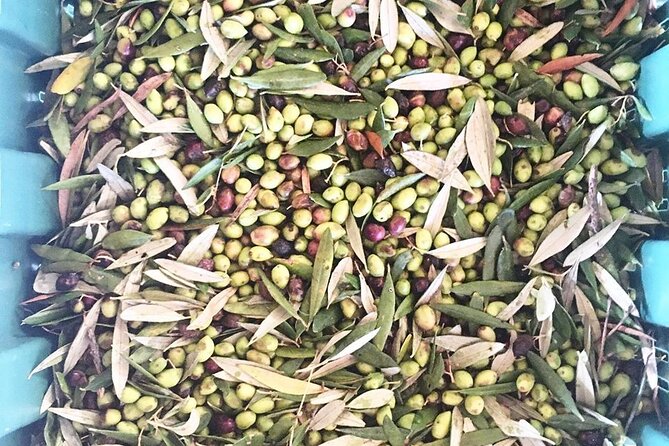
The handmade soap workshop is one of the tour’s most distinctive elements. Olive oil becomes the raw material for a simple household product, and the demonstration shows how local resources can be used in practical ways.
This stop works well for people who enjoy traditional crafts, not just tastings. You see the process and take part in a soap-making demonstration. It also gives the day a needed change of pace after several glasses and food samples.
Many people arrive expecting olive oil, wine, and raki, then find the soap workshop surprisingly interesting. It is a reminder that Cretan food culture is connected to older household skills, not only restaurant menus and winery bottles.
The workshop may also be a shopping opportunity for bars of soap or other olive-based goods. Personal purchases are not included in the price, so budget separately if you want gifts to take home.
Some versions of the day have also included a pottery visit. Since pottery is not listed among the standard inclusions, treat that as a possible variation rather than a promise. The soap workshop is the dependable craft element described for this experience.
Lunch at a village tavern around 3 p.m.
The included lunch is designed as a traditional light meal rather than a formal multi-course restaurant event. Expect shared local dishes such as Greek salad, spreads, savory pies, chicken with potatoes, stewed beans, and dessert based on yogurt. Vegetarian food has been available in the form of beans and potatoes.
The meal can be a strong finish because it brings the day’s flavors together. Olive oil, bread, herbs, vegetables, cheese, and wine make more sense after you have met the producers behind them. The setting is generally a local tavern, with a family-style atmosphere and shared tables.
The timing needs planning. Lunch may not be served until about 3 p.m., especially when the day includes several tastings and visits. Eat breakfast before pickup, and carry a snack if you become hungry early.
The meal is not always highly organized. Dishes may arrive in an order that feels odd, and the amount of wine can be less than the description suggests. One account found the food tasty but simple, while another found the lunch the clear high point of the day. I would set your expectations at a generous local meal, not a carefully choreographed food tour.
Water is another practical concern. Some departures have not had water available at every stop. Bring your own bottle, especially during the hot months.
What $111.26 buys you
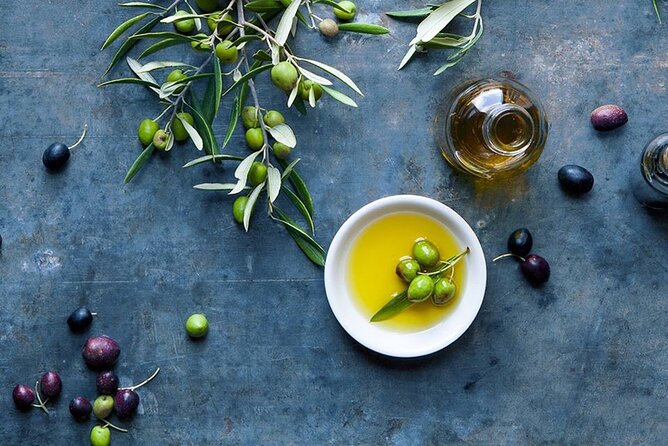
At $111.26 per person, the price is reasonable if you value transport, several hosted tastings, and a meal in one outing. You are paying for an air-conditioned vehicle, pickup service, the olive mill visit, olive oil tasting, three indigenous wines, barrel-aged raki, the soap demonstration, and lunch.
The value is strongest for visitors without a car who want to connect several rural stops in a single day. Arranging separate taxis or private visits to farms, wineries, and a distillery would be difficult and likely more expensive.
The value is less clear if you mainly want a serious wine tour. The wine stops can be informative and personal, but the facilities may be small or production-focused rather than scenic. Likewise, lunch is generous in spirit but light by some standards.
Group discounts are available, and the small maximum helps keep the experience social without turning it into a crowd. You also receive a mobile ticket, and confirmation is issued at booking.
Heat, walking, and other practical details
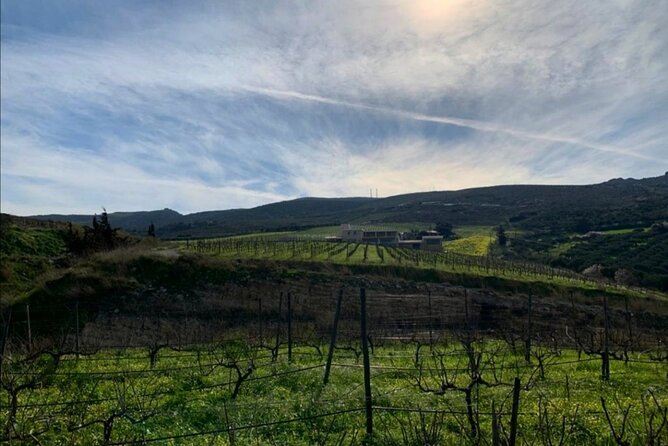
Wear cool clothing and comfortable shoes. Several stops involve short walks, but the surfaces are not always smooth. At the winery, expect stairs and sloping areas. The experience is not wheelchair accessible, and the vehicle may be challenging for anyone who needs a high step or interior handhold.
Bring:
- A refillable water bottle
- A hat and sunscreen
- Comfortable walking shoes
- Breakfast or a small snack
- A portable fan in hot weather
- Cash for personal purchases, since card or internet service may not always be reliable
Most people can participate, but the tour is not ideal for anyone who finds uneven ground, stairs, or van access difficult. Ask about your specific needs before booking rather than relying on the general statement that most people can take part.
The excursion lasts about six hours, though return timing can vary. One group arrived later than expected, around 5:30 p.m. If you have an evening ferry, flight, or fixed appointment, leave a buffer.
Cruise passengers need extra care. Pickup is not automatically suitable for every port. The operator has canceled and fully refunded a booking when a ship was docking outside the operating area and the schedule made a safe return unlikely. Enter your port and pickup information accurately, then confirm the plan before sailing.
Free cancellation is available up to 24 hours before the start time. Changes or cancellations inside that window are not refundable, and the cutoff uses local Crete time.
Who will enjoy this Cretan food tour most
I would choose this outing if you want a broad introduction to central Crete rather than one specialist visit. It suits couples, solo visitors, and friends who like tasting local products, meeting small producers, and eating at a shared table.
It also works well early in a Crete stay. After six hours, you will have a better sense of olive oil quality, local grapes, raki customs, and the role of family businesses. You may also leave with ideas for what to buy and which foods to seek out during the rest of your trip.
The tour is less suitable if you dislike group meals, prefer a slow schedule, or want a polished luxury setting. It is also not the best pick for a serious wine collector who expects carefully controlled tastings at every stop.
Should you book the Olive Oil, Soap, Wine, Raki journey?
I would book it for the variety and the access to local makers. The best parts are the family-run visits, the chance to taste olive oil where it is produced, the personal raki stop, and the unexpected soap demonstration. Guides such as Tony, Eleni, and Angelica can add useful local context and make the van time more enjoyable.
Go in prepared for a long, full day. Eat breakfast, bring water, expect lunch late, and wear shoes for uneven ground. If those small compromises sound manageable, $111.26 buys a pleasant and useful introduction to Crete beyond the coast.
FAQ
How long does the experience last?
The tour lasts approximately six hours.
Where does the tour take place?
It operates from Heraklion and visits the countryside around Peza Village, including olive, wine, raki, soap-making, and tavern stops.
Is hotel pickup available?
Pickup is offered. The operator sends the exact pickup time and details by text message or email, so check that your contact information is correct.
What tastings are included?
The experience includes olive oil tasting, three indigenous wine varieties, and a tasting of one raki aged in a barrel. The raki distillery may also offer additional wines or liqueurs.
Is lunch included?
Yes. A traditional light lunch at a local tavern in Peza Village is included.
How many people can join the tour?
The maximum group size is 15 people. Some departures may be smaller.
Is the tour wheelchair accessible?
No. The experience is listed as not wheelchair accessible. It includes uneven, sloping ground at the olive farm, stairs and sloping surfaces at the winery, and vehicle steps.
What is the cancellation policy?
You can cancel at least 24 hours before the start time for a full refund. Cancellations or changes made less than 24 hours before the start time are not accepted or refunded.
More Olive Oil Tastings in Heraklion
- Heraklion: Knossos, Zeus, Villages & Olive Oil Factory Tour
★ 5.0 · 88 reviews - Road-trip to Lasithi, Zeus Cave, Vidiani, Krasi & Olive Mill Farm
★ 4.0 · 79 reviews - Crete: Olive, Wine, & Raki on a Flavorful Culinary Journey
★ 4.7 · 56 reviews - Knossos, Lasithi, Zeus Cave & Olive Mill Farm Combo Tour
★ 4.5 · 46 reviews
More Wine Tours in Heraklion
- Crete: Land Rover Safari with Sunset Viewing, Dinner, & Wine
★ 4.9 · 395 reviews - Heraklion SUV Private Guided Wine Tour with Lunch
★ 5.0 · 165 reviews - Heraklion: Dia Island Catamaran Cruise with Dinner and Wine
★ 4.8 · 147 reviews - Heraklion: Dia Island Romantic Sunset Cruise with Wine
★ 4.8 · 144 reviews
Just added around Heraklion
- Crete: Knossos Palace & Heraklion City Tour★ 3.5 · 3 reviews
- Full-Day Tour:Lasithi Plateau -Mythology Park&Knossos Palace★ 3.0 · 3 reviews
- Knossos: Knossos Private Guided Tour★ 5.0 · 3 reviews
- Snorkeling Tour with Sea Scooter in Heraklion★ 5.0 · 3 reviews
- Gramvousa and Balos Tour From Heraklion★ 4.0 · 3 reviews
- Heraklion: Holistic Massage: Revitalization of Body & Spirit★ 5.0 · 3 reviews
- Heraklion: Walking city tour & Wine tasting★ 5.0 · 3 reviews
- Private Wine Tour at Peza Valley – 2 Wineries and Lunch at Peza★ 5.0 · 3 reviews
Olive Oil Tours & Tastings, compared.
Zeus Cave -Old Traditional Villages-Olive Oil Factory
Read our review →
Olive Farm Tour with Tasting of Local Delicacies
Read our review →
Zeus Cave, Lassithi Plateau, Olive Oil Factory, Kritza, Pottery
Read our review →
Knossos, Lasithi, Lasinthos and Olive Farm Combo Tour
Read our review →Browse the lists this tour appears in