
Reviewed · LASITHI PLATEAU & ZEUS CAVE
Lasithi –Plateau Traditional Vilages
The most memorable part of this six-hour outing is the climb into Crete’s high country, where old villages, mountain roads, and working-era windmills replace the coast. You visit Kritsa, the Katharo Plateau at 1,250 meters, the Lasithi Plateau, and Krasi, with lunch included along the way.
I like the small-group limit of 10, which gives the guide more room to explain local stories and answer questions. I also like the practical package: air-conditioned transport, bottled water, and a meal are covered in the $106.65 price.
The main caution is the physical side. The walk to Zeus’s Cave involves a climb, and the vehicle may feel tight when full. The cave entrance fee is not included, and the exact pickup arrangements should be confirmed before you set out.
In This Review
- Key points at a glance
- From Agios Nikolaos to Crete’s mountain country
- Kritsa: village lanes, legends, and religious monuments
- Katharo Plateau at 1,250 meters
- Lasithi Plateau and the story of the windmills
- Zeus’s Cave: mythology with a real climb
- Lunch adds real value to the $106.65 price
- Krasi and the enormous plane tree
- What the small group changes
- Who should book this mountain day
- Booking, timing, and cancellation
- FAQ
- How long does the Lasithi Traditional Villages tour last?
- What is included in the price?
- Is the Diktaio Cave entrance fee included?
- How many people can join the tour?
- Is hotel pickup available?
- Can I cancel for a full refund?
- Should you book it?
Key points at a glance
- Kritsa in one hour: Walk through one of Crete’s best-known traditional villages, with religious monuments, legends, and nearby archaeological interest.
- Katharo at 1,250 meters: Enjoy cooler mountain air and unusual fossil lore connected with dwarf hippopotamuses.
- Lasithi’s 10,000 windmills: Learn how this plateau once functioned as one of Europe’s early wind-powered farming areas.
- Zeus’s Cave is optional in cost, not in effort: The cave lies at Psychro, and admission is extra. Reaching it requires a climb.
- Krasi’s giant plane tree: Stop for photographs beside a tree said to be about 2,400 years old.
- Food and transport included: Your price covers lunch, water, and a comfortable air-conditioned vehicle, with free cancellation up to 24 hours before departure.
From Agios Nikolaos to Crete’s mountain country
This is a useful choice if you want more than a beach day in eastern Crete. From Agios Nikolaos, the route heads inland toward villages and plateaus where farming, mythology, religious life, and local stories overlap.
You spend about six hours on the road and at the stops. That makes this a full half-day rather than a quick photo outing. The small vehicle keeps the group more personal than a large coach, though a full group of 10 means you should not expect limousine-like space.
Pickup is offered, and the listed meeting window is Wednesday between 9:00 and 10:00 a.m. Since that is a broad window rather than one precise departure time, I would confirm the hotel pickup point and time when booking. Confirmation is provided at booking, and most people can take part, but the climb at Zeus’s Cave deserves honest attention.
A guide named Nikos is specifically praised in the supplied feedback for being a warm host and for explaining Greek mythology in detail. Guides can vary, so I would not book on the assumption that Nikos will lead every departure. Still, the tour clearly aims to be more than a driver dropping you at viewpoints.
More Lasithi Plateau and Zeus Cave days:
- Zeus Cave, Lassithi Plateau, Olive Oil Factory, Kritza, Pottery
★ 5.0 · 362 reviews - Crete: Lasithi Plateau & Knossos Palace Day Trip
★ 4.6 · 81 reviews - Private Full-Day Knossos-Lasithi Plateau-Cave of Zeus from Elouda
★ 5.0 · 28 reviews
Kritsa: village lanes, legends, and religious monuments
The first stop is Kritsa, with about one hour to look around. This is the kind of place where the interest comes from the setting and the details: old streets, local traditions, legends, religious buildings, and the sense of a village that has not been arranged only for sightseeing.
You should use this stop to walk rather than simply photograph the entrance. The supplied description points to archaeological and religious monuments, but it does not promise admission to a particular church or museum. Treat the hour as a guided introduction and free time, not as a formal museum visit.
Kritsa also helps set the tone for the rest of the day. The tour is not built around one major attraction. Instead, it links several smaller places and gives you a picture of how mountain communities fit into Crete’s past and present.
The stop is listed as free of charge. Wear shoes that feel secure on uneven village surfaces, especially if you plan to explore beyond the vehicle. I would also keep your camera ready, since the village itself is part of the appeal.
Katharo Plateau at 1,250 meters
From Kritsa, the route climbs to Katharo Plateau, also called the Lower Plateau in the tour description. At roughly 1,250 meters, it is the highest point on this itinerary and brings a noticeable change in setting from the lower villages.
Katharo is known for fossils of the Cretan dwarf hippopotamus. That fact gives the stop a useful bit of natural history, but the visit is not presented as a museum tour or a fossil excavation. You are there for the mountain scenery, the stories attached to the area, and the chance to see a less polished side of Crete.
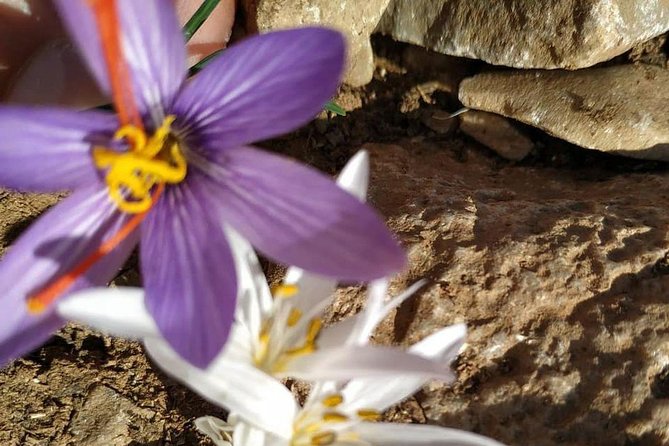
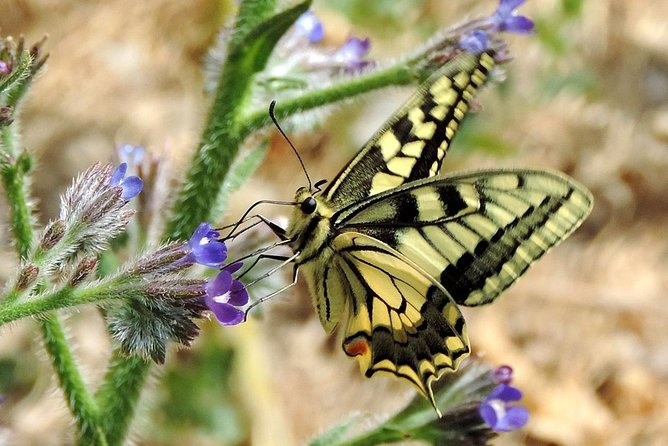
The plateau carries legends reaching back to the Ottoman period. A good guide can make those stories useful rather than simply filling the drive with dates and names. One strength of the outing is the attention to small details, including plants, trees, and local ways of seeing the countryside. If you prefer a fast route between major attractions, that commentary may feel too long. If you like context, it adds value.
Weather can differ from the coast at this altitude. I would bring a light layer even if Agios Nikolaos is hot. The stop lasts about an hour and does not list an admission charge.
Lasithi Plateau and the story of the windmills
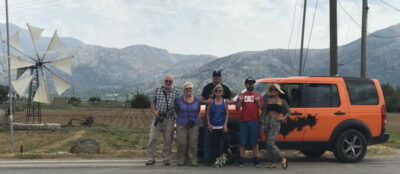
The Lasithi Plateau is the central stop, with roughly two hours assigned to the area. At about 1,150 meters, it is a broad high basin surrounded by mountains and villages. The famous windmills are the reason many people choose this tour.
More than 10,000 traditional windmills once operated across the plateau. They pumped water for agriculture and helped local farmers work the land. By the 1950s and 1960s, the area was functioning as one of Europe’s first wind farms, although these machines served a practical farming purpose rather than producing modern electric power.
That distinction matters. You are not visiting a modern energy center or a preserved park with every windmill restored. You are seeing a place shaped by old technology, agriculture, and water management. Some windmills may be easier to photograph than others, and the overall impression depends on the exact route and stopping points that day.
The two-hour block may also include time connected with Psychro and the Diktaio Cave, traditionally identified as the birthplace of Zeus. The cave admission is not included in the price, so bring extra money if you want to enter. The supplied information does not state the entrance fee, so check the current amount before departure.
A few more Agios Nikolaos half-days to weigh up
- From Ierapetra: Cruise to Chrissi Island with Swimming
★ 4.0 · 1,040 reviews - Heraklion: Spinalonga and Agios Nikolaos Cruise with Lunch
★ 4.3 · 432 reviews - Sarakina Gorge, Kritza, Oliveoil Tasting, Mountains, South Coast
★ 5.0 · 92 reviews - Agios Nikolaos: Spinalonga PM Catamaran Cruise with Dinner
★ 4.8 · 88 reviews
Zeus’s Cave: mythology with a real climb
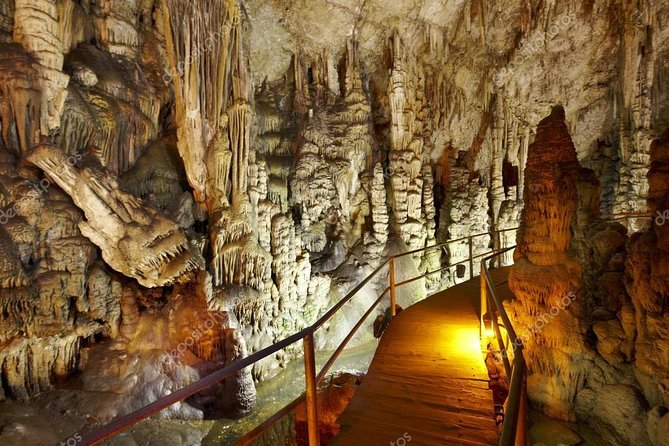
The Diktaio Cave is the tour’s most famous optional attraction. In Greek mythology, Zeus was born here, giving the site an importance far beyond its size. You get a strong connection between the myths you know and the actual Cretan mountain setting that helped shape them.
The practical detail is just as important as the mythology: reaching the cave requires walking uphill. One account describes the climb as demanding in hot weather, and donkeys may be available for the ascent and return. I would think carefully before using one. The supplied account raises concerns about animal welfare, especially in high heat and when carrying heavier adults. Walking at your own pace is the more responsible choice if you are able to manage the climb.
The tour information does not give the walking distance, the number of steps, or the current admission fee. That means you should not treat the cave as a guaranteed easy stop. Ask the guide about the route on the day, carry the bottled water provided, and avoid assuming that the air-conditioned vehicle will take you to the cave entrance itself.
For many people, this will be the emotional high point of the day. For others, the windmills and village stops will be more enjoyable because they require less effort. The tour works best when you see the cave as an optional addition to a broader mountain day, not as the only reason to book.
Lunch adds real value to the $106.65 price
Lunch is included, along with bottled water. That matters on a six-hour mountain trip because you do not have to spend part of the day searching for a restaurant or guessing how long a stop will last.
The supplied feedback describes the meal as very good and specifically mentions goat as one dish served. I would not assume goat is guaranteed on every departure, but you can expect a local meal rather than a bare snack. This gives you a chance to try Cretan cooking in a setting connected to the route.
At $106.65 per person, the value depends on what you would otherwise pay for transport, a private or small-group guide, lunch, and access to remote mountain areas. The price is reasonable for a small group capped at 10, especially since air-conditioned transport and water are covered. It becomes less attractive if you only want to see Zeus’s Cave and would rather arrange a direct visit.
The admission charge for sightseeing is extra. Since the main cave is the obvious paid stop, budget for it separately. The package is convenient, but it is not fully all-inclusive.
Krasi and the enormous plane tree
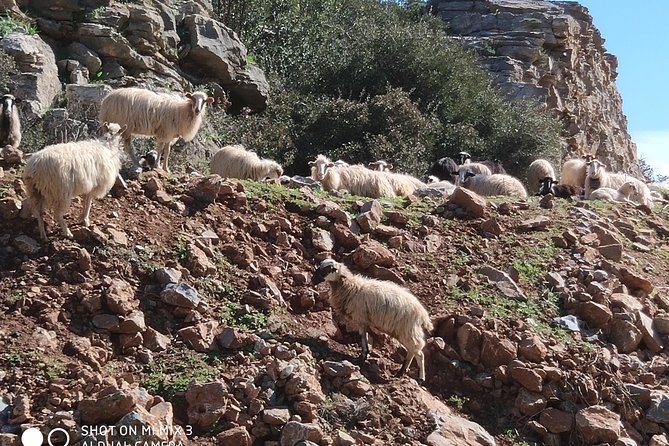
The final stop is Krasi, a village visited briefly as the route descends. You get about 30 minutes, mainly for photographs and a quick look around.
The main attraction is the plane tree associated with the Cretan writer Nikos Kazantzakis. Its circumference is said to be about 24 meters, and its age is estimated at roughly 2,400 years. Local tradition adds a memorable measurement story: each meter of circumference is said to represent 100 years.
You should keep expectations sensible. Thirty minutes is enough for a photo stop, not a full village visit. The tree is the point, and the short pause works well after the higher plateaus and cave climb. It also gives you a final chance to stretch before returning toward Agios Nikolaos.
This is the sort of detail I appreciate on a regional tour. You are not only looking at a scenic road. You are connecting a living village, a famous Cretan writer, and a tree that has witnessed centuries of change.
What the small group changes
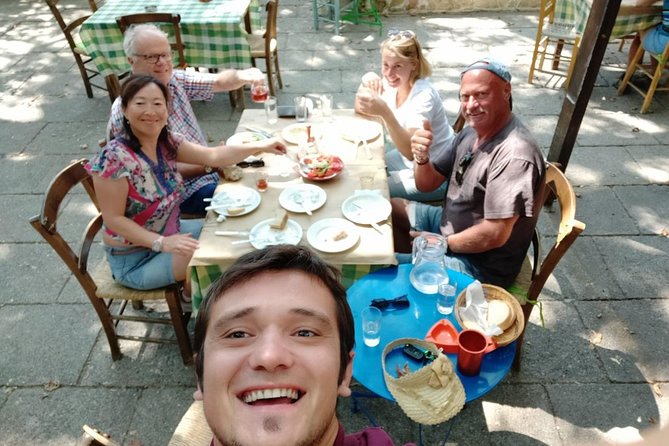
A maximum of 10 people is one of the better features here. A guide can explain a myth to a teenager, answer questions about the windmills, and adjust the pace of a village stop more easily than on a large bus.
One account describes Nikos spending time discussing Greek mythology with a 14-year-old. That suggests the commentary can work well for families and curious young people, not only for adults who already know the stories.
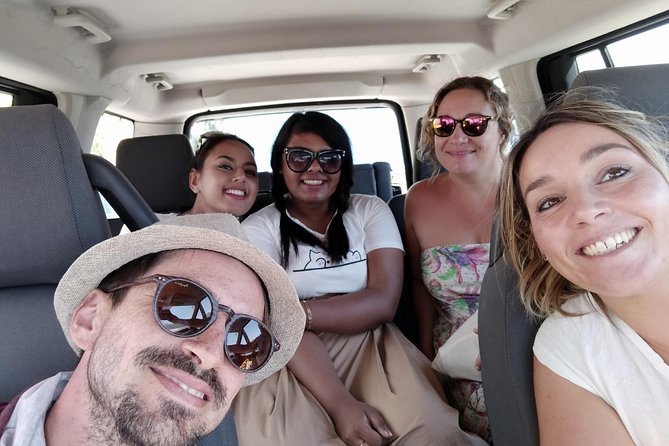
Still, small group does not mean spacious in every vehicle. One account describes seven people feeling cramped, with a sleeping passenger ending up against another person’s shoulder on the return drive. That is an important warning for anyone tall, broad-shouldered, or sensitive to close quarters.
Another concern is communication. A poor day could include a stop with little explanation about where to go or when to return. I would listen carefully to meeting instructions and ask the guide to repeat the rendezvous time if anything is unclear. The tour has several stops, so staying organized protects your free time.
Who should book this mountain day
I would recommend it to you if you want a mix of nature, mythology, village life, and local food in one outing. It is especially suited to people staying in Agios Nikolaos who do not want to rent a car or manage mountain roads themselves.
Families can enjoy the stories and the variety, though younger children may tire during the cave climb. People interested in Greek mythology will get more from the Diktaio Cave and the guide’s explanations. Anyone drawn to traditional technology should pay close attention to the windmill section.
I would hesitate if you need a very gentle, fully accessible day. The cave involves a climb, the route includes high elevations, and the vehicle may be snug. I would also hesitate if you dislike long explanations about local plants, trees, and ideas. The commentary appears to be a real part of the outing, not background noise between stops.
The mixed feedback points to a simple lesson: the best day depends on the guide and on your expectations. With clear instructions, a good guide, and reasonable fitness, the variety makes the schedule worthwhile. If you expect a polished sightseeing production with every stop tightly scripted, you may find the organization less satisfying.
Booking, timing, and cancellation
The tour is offered in English and includes mobile ticketing. It is commonly booked about 18 days ahead, so I would not leave it until the last minute if your schedule is fixed.
Free cancellation is available up to 24 hours before the local start time for a full refund. Changes or cancellations inside that 24-hour window are not accepted for a refund. The tour also requires a minimum number of participants. If that minimum is not reached and the operator cancels, you are offered another date or experience, or a full refund.
FAQ
How long does the Lasithi Traditional Villages tour last?
The tour lasts approximately six hours.
What is included in the price?
The price includes an air-conditioned vehicle, lunch, and bottled water.
Is the Diktaio Cave entrance fee included?
No. Sightseeing entrance fees are not included, so the admission fee for the cave must be paid separately.
How many people can join the tour?
The group has a maximum of 10 participants.
Is hotel pickup available?
Pickup is offered. The listed meeting window is Wednesday from 9:00 to 10:00 a.m., and you should confirm the exact pickup details at booking.
Can I cancel for a full refund?
Yes. You can cancel at least 24 hours before the local start time for a full refund. Cancellations or changes made less than 24 hours before departure are not refunded.
Should you book it?
Book this tour if you want a practical way to reach Crete’s mountain villages, high plateaus, windmills, and mythic cave without driving yourself. The included lunch, water, and small group make the $106.65 cost fair, and the mix of places gives the day more substance than a simple scenic drive.
Before paying, make sure you are comfortable with a potentially tight vehicle, a mountain climb to Zeus’s Cave, and an extra entrance fee. If those points suit you, this is a rewarding look at the inland side of Crete, with enough food, folklore, and old village character to make the coast feel far away for a few hours.
Just added around Agios Nikolaos
- Ierapetra: Chrissi Island Luxury Yacht Cruise with Meal★ 4.7 · 3 reviews
- Private transfer from Agios Nikolaos to Heraklion airport★ 5.0 · 3 reviews
- Agios Nikolaos: Spinalonga and Kolokitha Island Sailing Trip★ 3.9 · 3 reviews
- Vip Motor Yacht Charter-17 meter-10 Guest-Half day or Sunset trip★ 5.0 · 3 reviews
- Western Crete Discovery: Chania, Rethymno, and Authentic Flavors★ 5.0 · 4 reviews
- Your Private Driver & Chauffeur Service in Crete from Elounda★ 5.0 · 4 reviews
- Crete: Spinalonga, Elounda, & Agios Nikolaos Tour w/ Pickup★ 4.9 · 5 reviews
- Crete: Spinalonga-Plaka-Agios Nikolaos Tour★ 4.6 · 5 reviews
Lasithi Plateau & Zeus Cave, compared.
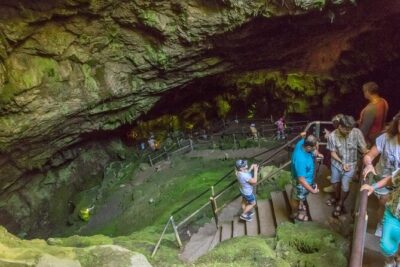
Full-Day Small-Group Tour in Crete with Zeus Cave Visit
Read our review →
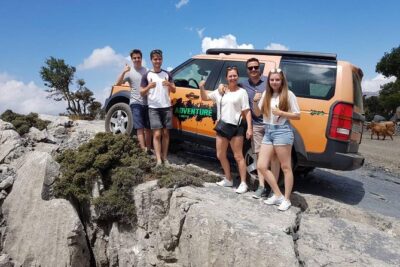
Lasithi Plateau and Cave of Zeus Off-Road Safari Tour
Read our review →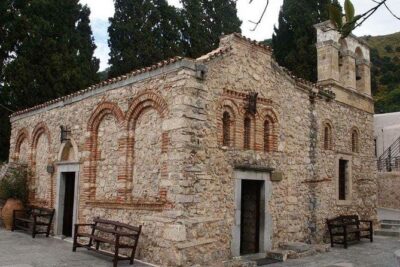
Zeus Cave -Old Traditional Villages-Olive Oil Factory
Read our review →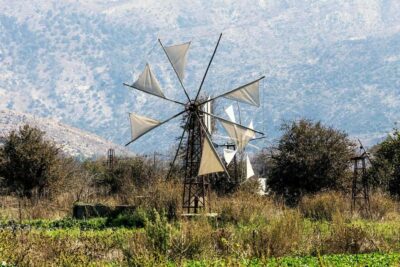
Zeus Cave, Lassithi Plateau, Olive Oil Factory, Kritza, Pottery
Read our review →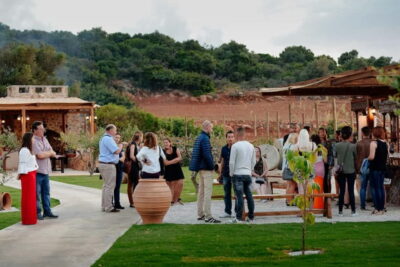
Knossos, Lasithi, Lasinthos and Olive Farm Combo Tour
Read our review →
Zeus & Lassithi Plateau, OliveTasting, Kritza, Pottery
Read our review →Browse the lists this tour appears in