
Reviewed · MUSEUMS & ARCHAEOLOGICAL SITES
Lychnostatis Open Air Museum: Entry Ticket with Add-Ons
Lychnostatis Open Air Museum turns Cretan folk life into something you can walk through, touch, and understand. Instead of glass cases alone, you enter a village house, inspect an olive press, see how raki was made, and follow old trades through their tools and workshops. It is a useful stop if you want more than beaches and ancient ruins.
I especially like the traditional buildings and the way the museum links daily work with Cretan nature. The library, herb garden, fruit garden, and displays on stone and minerals add welcome depth. I also like the choice of a basic $10 entry ticket or an upgrade with an audiovisual film or private tour. The main consideration is that transportation, food, and drinks are not included, and the listed live guide language is Greek.
In This Review
- Key points
- Why Lychnostatis feels different from a standard museum
- Entering the traditional house and chapel
- From olive oil press to raki distillery
- Old trades in the workshops
- Gardens, herbs, stone, and the Cretan environment
- The library and folk artists’ gallery
- Choosing the audiovisual film or private tour
- How long to allow and how to get there
- Is the $10 ticket good value?
- Who will enjoy Lychnostatis most?
- A few smart ways to plan your visit
- Should you book Lychnostatis Open Air Museum?
- FAQ
- Where is Lychnostatis Open Air Museum?
- How much does entry cost?
- How long is the ticket valid?
- What does the basic ticket include?
- Is a guided tour available?
- Is the museum wheelchair accessible?
- Can I cancel the booking?
Key points
- Walk inside a Cretan home from about 200 years ago, rather than only viewing household objects behind glass.
- See working traditions in place, including an olive oil press, raki distillery, weaving area, pottery shop, carpentry, and shoe-making workshop.
- Pair folk culture with nature, through the herbarium, gardens, bees and wax display, and mineral and stone exhibition.
- Choose your level of structure, from free time with the entry ticket to an audiovisual film or private guided group tour.
- Finish with a traditional drink or sweet, available at the museum café.
- Plan your arrival carefully, since you make your own way by car or taxi and the ticket is valid for one day.
Why Lychnostatis feels different from a standard museum
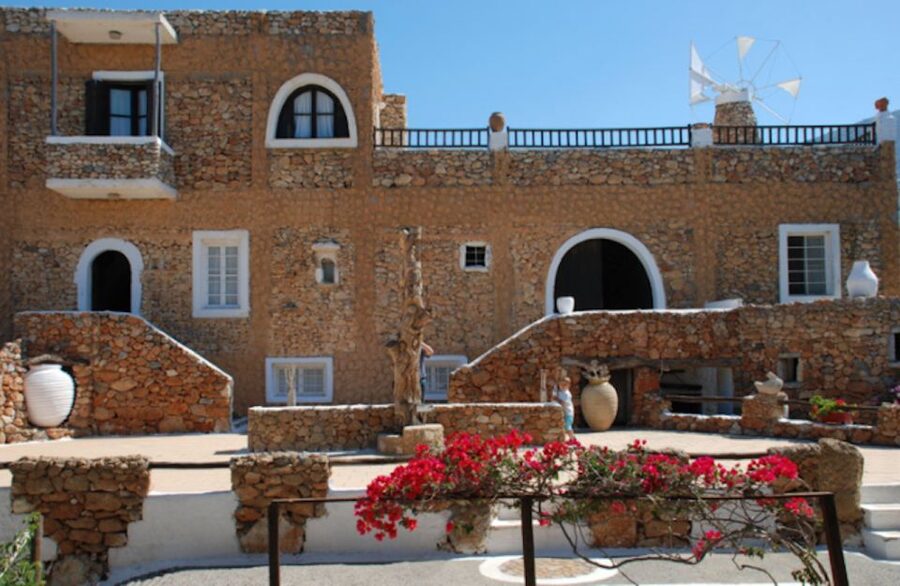
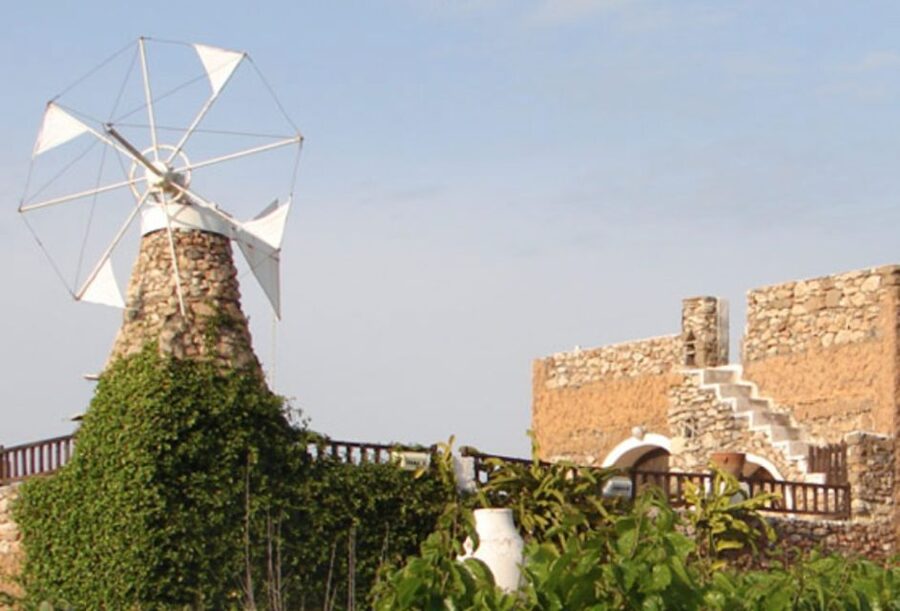
The best feature here is the setting. Lychnostatis is an open-air museum devoted to Cretan folk heritage, so the visit is built around houses, workshops, gardens, and working objects rather than a long row of display cases.
That matters because Cretan culture is easier to understand when you see how separate parts of life fit together. Olive growing, bread making, animal care, weaving, pottery, distilling, carpentry, and gardening were not isolated hobbies. They formed the practical rhythm of village life.
You can also see how the museum covers several themes at once. One area focuses on folk tradition and ethnology, another on Cretan nature and the environment, and another on local culture and artistic work. The result is broader than a simple historic house visit.
The museum presents Cretan life from thousands of years of cultural development, while the buildings and tools give you a close look at life around two centuries ago. That combination is helpful if you want context without spending the day in an archaeological site.
More museums and archaeological sites in Crete:
- Crete: Knossos Palace and Museum E-Tickets with Audio Guides
★ 4.0 · 828 reviews - Crete: Land Rover Safari on Minoan Route
★ 4.9 · 652 reviews - Heraklion Archaeological Museum Ticket & Audio Guide
★ 4.3 · 396 reviews
Entering the traditional house and chapel
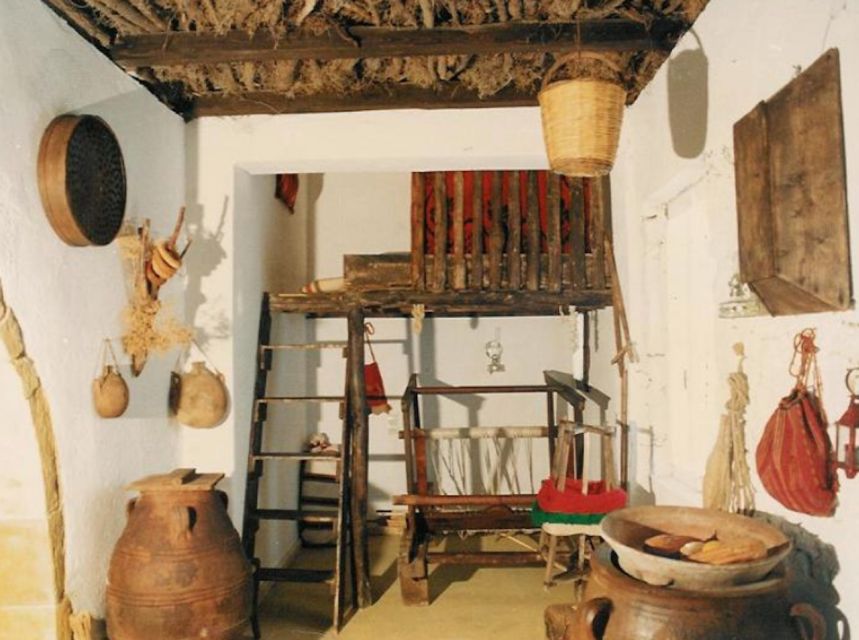
Begin with the traditional dwellings. Walking into a house gives you a stronger sense of old Cretan life than seeing a photograph of one. You can look at the layout, household objects, and tools as part of a lived space.
The point is not luxury. These interiors show a practical way of life shaped by local materials, limited resources, and work done at home. You might find the experience most useful if you are curious about how families organized everyday tasks before modern appliances and industrial production.
The chapel adds another piece of the picture. Religious buildings were part of village life, and its presence helps place household customs within the wider community.
Take your time here. The museum is not only about identifying objects. It is about asking what each object allowed a family to do. A press, loom, workbench, or storage vessel tells you about food, income, clothing, and the division of labor.
From olive oil press to raki distillery
The olive oil press is one of the most useful stops for understanding Crete. Olive oil is not just a familiar item on a restaurant table. It is tied to agriculture, cooking, trade, and household survival.
At the tsikoudia, or raki, distillery, you see another part of local food and drink culture. Raki is a typical Cretan spirit, and the distillery shows how production fitted into the farming year. The museum café later gives you the chance to try a traditional beverage or sweet, although food and drinks are separate purchases.
These stops work well together. The olive press represents a major agricultural product, while the distillery shows how local produce could be turned into something shared and stored. I like this practical approach because it gives a clearer picture of culture than a short plaque about regional customs.
The museum also includes a threshing floor. It connects the displays to grain production and the hard work that once followed the harvest. Look for the relationship between this area and the other workshops. The museum is at its best when you treat the grounds as one connected village, not a collection of unrelated exhibits.
Old trades in the workshops
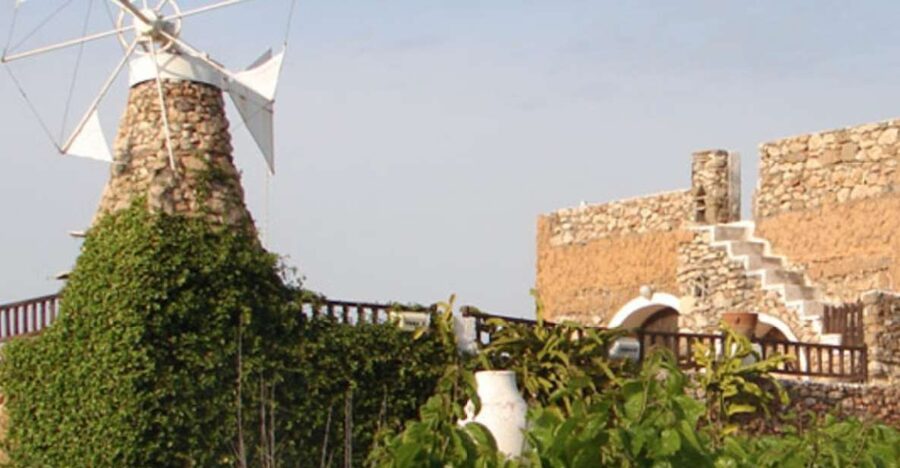
The workshop areas give the visit its hands-on character, even though you are mainly looking rather than taking part in the work. You can see spaces devoted to pottery, weaving, plant dyeing, bees and wax, shoe-making, and carpentry.
Each one points to a skill that once helped a community supply its own needs. Weaving and plant dyeing show how clothing and color could be produced locally. Shoe-making and carpentry show trades based on repair, durability, and useful objects rather than quick replacement.
The ceramic shop adds a visual and practical link to local craft. The bees and wax workshop shows another small but important source of household material. Wax had uses beyond candles, and beekeeping connected farming with food and craft.
You will not get the same experience at every stop. Some areas may interest you for only a few minutes, while others deserve a slower look. If you are visiting with children, the changing subjects can help hold attention better than a museum made up only of text panels.
A private guided group tour may make these displays easier to understand, particularly if you want someone to explain how the tools were used. The stated live guide language is Greek, so check that the option fits your language needs before choosing it.
A few more Crete half-days to weigh up
- Crete: Knossos Palace Entry Ticket with Optional Audio Guide
★ 3.9 · 2,251 reviews - Heraklion Area: CRETAquarium Admission Ticket
★ 4.4 · 2,055 reviews - Crete: Palace of Knossos E-Ticket and Audio Guide
★ 3.8 · 1,540 reviews - Knossos: Knossos Palace Skip-the-Line Guided Walking Tour
★ 4.8 · 1,380 reviews
Gardens, herbs, stone, and the Cretan environment
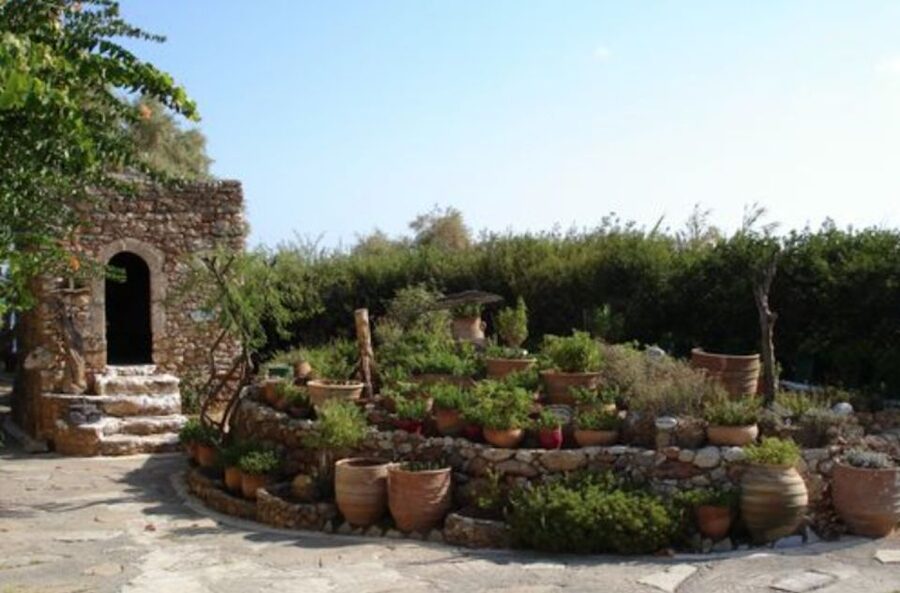
Lychnostatis does not separate culture from nature. The herbarium, herb garden, and Cretan fruit garden show the plants that shaped cooking, medicine, farming, and household life.
The herb displays may be especially useful after seeing the workshops. They help explain where dyes, flavors, and remedies came from. The fruit garden adds another reminder that food culture begins with what grows locally and what can be preserved.
There is also an exhibition of minerals and stones. It may seem like a change of subject, but it gives you a better feel for the physical materials available in Crete. Stone affected building, tools, boundaries, and the look of village homes.
I like this part of the museum because it prevents the visit from becoming a simple nostalgia show. Cretan heritage was shaped by soil, plants, animals, stone, and weather as much as by customs. You see people adapting to their surroundings, not just displaying old objects.
The library and folk artists’ gallery
Make time for the library if you want a quieter stop. It is stocked with Cretan books and periodicals, giving the museum a place for reading and research as well as casual sightseeing.
You may not spend long there, especially if you are visiting with a tight schedule. Still, it helps show that the museum is intended to promote understanding of Cretan culture, not only to recreate old buildings.
The Cretan folk artists’ gallery adds a more personal and creative side. The workshops explain how useful objects were made, while the gallery points toward individual artistic expression. Temporary exhibitions can change the feel of this section, so what you see may vary during your visit.
The museum also has an auditorium with 100 seats. It is used for audiovisual shows, seminars, and other programs. An open-air theater with 250 seats hosts cultural and artistic events. These facilities suggest that Lychnostatis functions as a cultural center as well as a daytime museum.
Choosing the audiovisual film or private tour
The standard entry ticket gives you free time to explore. That is the most flexible choice, and it suits you if you prefer to set your own pace or stop only at the subjects that interest you.
The audiovisual film adds structure without committing you to a private group tour. It may be a good choice if you want an introduction before walking around, or if you find that the written information is not enough. The film is available only when you select that option.
The private guided group tour gives you more direct explanation. Since the guide language is listed as Greek, you should not assume that the tour will be conducted in English or another language. Ask before booking if language is important to your decision.
A practical note from the museum experience: some information leaflets may be worn or damp, particularly in hot weather. The displays themselves remain the main attraction, but anyone who relies heavily on printed notes should keep expectations modest.
How long to allow and how to get there
The ticket is valid for one day, and you should think of the visit as a flexible half-day or longer outing rather than a quick photo stop. The grounds include houses, workshops, gardens, exhibitions, a library, café, theater spaces, and a shop.
The exact amount of time depends on how closely you read the displays and whether you choose the film or private tour. If you want to cover the main buildings and still pause for a drink, allow several hours. If you are interested in folk art, plants, tools, and the temporary exhibition, you can reasonably spend much of the day.
You start at the museum itself. Transportation is not included, so you need to arrive by car or taxi. That makes this a better fit for visitors staying nearby or already planning a car-based day in the area. It is not a door-to-door excursion.
The ticket includes skip-the-line entry, which is useful when you want to begin exploring without spending time at the admission queue. Wheelchair access is listed, though the museum includes outdoor paths and traditional buildings, so you may want to confirm the details that matter for your own needs.
Is the $10 ticket good value?
At $10 per person, the basic ticket offers solid value for a museum with this many separate areas. You are not paying only to enter one reconstructed house. You get access to traditional dwellings, the chapel, agricultural equipment, craft workshops, gardens, exhibitions, library, café, and other public spaces.
The value improves if you enjoy open-air museums and prefer seeing objects in context. You can spend more or less time at each section, and the one-day validity gives you room to avoid rushing.
The add-ons make sense for different visitors. Choose the audiovisual film if you want background information in a set format. Choose the private tour if personal explanation is more important to you than flexibility. Since meals and drinks cost extra, keep a little money aside for the café if you want to sample a traditional drink or sweet.
The ticket does not include transportation, so factor in the cost of a taxi or your own vehicle. Even with that added expense, the admission price is reasonable for a full cultural stop, especially if you are building a day around nearby sights.
Who will enjoy Lychnostatis most?
I would recommend this museum to you if you want to understand Crete through ordinary life. It is especially suitable for people interested in architecture, farming, local food, traditional trades, plants, and family life.
It also works well for families because the open-air layout offers more variety than a quiet indoor collection. Children can move between houses, gardens, workshops, and outdoor areas, although the museum is still most rewarding when you explain what the tools were for.
History-minded visitors will appreciate the link between old buildings and living traditions. Food lovers should pay attention to the olive press, raki distillery, fruit garden, herbs, and café. Anyone seeking a polished, highly interactive attraction may find the experience more low-key.
The Greek-only guide detail is important. If you do not understand Greek, the basic visit or audiovisual option may be easier than booking a guided tour without confirming the language. Printed information is available, but some leaflets may show wear from heavy use.
A few smart ways to plan your visit
Arrive with enough time to explore instead of treating Lychnostatis as a 30-minute stop. The museum rewards slow looking, especially in the house, distillery, workshops, and gardens.
Wear practical footwear for outdoor walking. This is an open-air museum with several areas spread across the grounds, not a single compact gallery.
Keep the café for the end. A typical drink or sweet can finish the visit on a local note, but remember that refreshments are not part of the ticket.
If you want more explanation, select the audiovisual film or private tour when booking. If you prefer independence, the entry ticket with free time is enough to create your own route.
The souvenir shop is worth a look after the exhibits. It gives you a final chance to connect the museum’s craft themes with something you might take home, though purchases are separate from admission.
Should you book Lychnostatis Open Air Museum?
Book it if you want a clear, grounded look at Cretan culture beyond beaches, resorts, and famous ancient sites. The strongest parts are the traditional house, olive press, raki distillery, varied workshops, and gardens, all of which help turn abstract heritage into everyday objects and working spaces.
Skip it if your schedule allows only a brief stop or if you want a major archaeological monument. Lychnostatis is about village life and folk culture, not grand ruins.
For most visitors with a car or easy taxi access, the $10 entry ticket is a good buy. Add the film or private Greek guided tour when you want more structure, and plan extra time for the café and the museum’s quieter corners.
FAQ
Where is Lychnostatis Open Air Museum?
The museum is in Crete, Greece. You begin the experience at the museum and can reach it by car or taxi.
How much does entry cost?
The listed entry price is $10 per person. Audiovisual films and private guided group tours are available as add-on options.
How long is the ticket valid?
The ticket is valid for one day. You can use your free time to explore the museum at your own pace during that day.
What does the basic ticket include?
The basic ticket includes museum entry and free time to explore. Transportation, food, and drinks are not included.
Is a guided tour available?
Yes. You can select a private guided group tour as an add-on. The listed live tour guide language is Greek.
Is the museum wheelchair accessible?
Wheelchair access is listed for this activity. The museum is open air and includes traditional buildings, so confirm any specific access needs before booking.
Can I cancel the booking?
You can cancel up to 24 hours in advance for a full refund. A reserve now and pay later option is also available.
Just added around Crete
- Crete: Knossos Palace & Heraklion City Tour★ 3.5 · 3 reviews
- Knossos palace (Last minute booking – Skip The Line Ticket)★ 4.5 · 3 reviews
- Cooking Class & Greek Night Experience★ 5.0 · 3 reviews
- Full-Day Tour:Lasithi Plateau -Mythology Park&Knossos Palace★ 3.0 · 3 reviews
- Chania: Private Guided Food and Wine Walking Tour with Lunch★ 5.0 · 3 reviews
- Knossos: Knossos Private Guided Tour★ 5.0 · 3 reviews
- Individual travel accompaniment East Crete★ 5.0 · 3 reviews
- Chania: Knossos Palace – Archaeological museum!★ 3.4 · 3 reviews
Museums & Archaeological Sites, compared.
Knossos Palace and Museum E-Tickets with Audio Guides
Read our review →
Heraklion Archaeological Museum Ticket & Audio Guide
Read our review →
Knossos Palace and Museum E-Tickets with Audio Guides
Read our review →
Knossos Palace, Museum & Rethymno city Private Tour from Chania
Read our review →
Heraklion Highlights: Knossos, Museum & Historic City Drive
Read our review →Browse the lists this tour appears in