
Reviewed · OLIVE OIL TOURS & TASTINGS
Olive Oil Food Pairing in Crete
Cretan olive oil is not simply something to drizzle over a salad. In this 90-minute session, you learn why one oil may suit bread, another a cooked dish, and another a delicate snack. The tasting includes four premium oils, a faulty sample, palate-cleansing apple or bread, water, and small food pairings.
I like the hands-on tasting format and the unusual wellbeing test, which connects olive oil to your eating habits instead of treating it as a souvenir lesson. I also like that the session explains what to avoid, not just what to buy.
The main drawback is the meeting point. You must drive to the location on the road from Heraklion to Moires, so this is not an easy pick if you are relying on public transport or staying far from that route.
In This Review
- Key points to know before you book
- Why this tasting is more than a spoonful of oil
- Four premium oils, one faulty sample, and a cleaner palate
- Food pairing with fresh small snacks
- The wellbeing test and advice after the tasting
- A 90-minute schedule that keeps the lesson focused
- Getting to the road from Heraklion to Moires
- Is $88 fair for this Cretan food experience?
- The instructor’s role and the tone of the session
- Who should book this activity?
- Booking details that matter
- Should you book this olive oil tasting?
- FAQ
- Where does the olive oil tasting take place?
- How long does the experience last?
- How much does the experience cost?
- How many olive oils will I taste?
- Is food included?
- What languages are available?
- Can I cancel or pay later?
Key points to know before you book
- Four premium oils and one faulty sample: You taste both good and defective oil, a useful lesson when shopping.
- Food pairing is the main event: Small snacks show how oil changes the taste of different foods.
- A wellbeing test adds a personal angle: Your lifestyle and diet are assessed, followed by practical advice.
- The session lasts 1.5 hours: It fits neatly into a day of exploring central Crete.
- English and Greek instruction: Private and small-group sessions are available.
- You need your own transport: The meeting point is on the road from Heraklion to Moires.
Why this tasting is more than a spoonful of oil
Many people buy extra virgin olive oil by looking at the label, the price, or the shape of the bottle. This session gives you a better tool: your own senses.
You learn to look at the oil, smell it, and taste it in a structured way. The goal is not to turn you into a professional taster in 90 minutes. It is to help you notice freshness, balance, aroma, and faults well enough to make smarter choices at a market or supermarket.
The food pairing makes the lesson useful. Instead of tasting oil in isolation, you see how it works with food. A small snack can make an oil taste softer, sharper, fruitier, or more peppery. That matters because the best oil for dipping bread may not be the best choice for every recipe.
I find the defective sample especially helpful. Many tastings only present attractive products, which can leave you with a polished but incomplete idea of quality. Here, you learn what an unpleasant or faulty oil can taste like and what warning signs to watch for.
More olive oil tastings around Crete:
- Crete: Quad Safari, Olive Mill with Tasting & Ghost Village
★ 4.9 · 1,004 reviews - Knossos-Zeus Cave -Old Traditional Villages-Olive Oil Factory
★ 5.0 · 694 reviews - From Chania: Olive Oil, Wine, Cheese & Honey Tasting Tour
★ 4.6 · 490 reviews
Four premium oils, one faulty sample, and a cleaner palate
The tasting includes four premium olive oils from the provider’s brands. The supplied information does not identify the exact varieties, harvest dates, or producers, so you should not expect a fixed list of oils in advance.
That flexibility can be useful. Olive oil changes from producer to producer and from season to season. The important lesson is how to compare oils, not memorizing four labels.
You receive apple or bread between tastings to cleanse your palate. Bottled water is also provided. These are simple details, but they matter in a tasting. Strong flavors can linger, and a sip of water helps you reset before the next sample.
The faulty sample gives the session a practical edge. You can learn that an oil may be expensive and attractively packaged while still having an unwanted smell or taste. I would pay close attention here and ask what caused the defect, how to identify it at home, and if storage can affect quality. The supplied details do not promise answers to each of those questions, but they are sensible points to raise during the session.
The tasting should suit beginners particularly well. You do not need a trained palate or a working knowledge of Greek olive oil. The format gives you a clear way to compare, and the instructor speaks English or Greek.
Food pairing with fresh small snacks
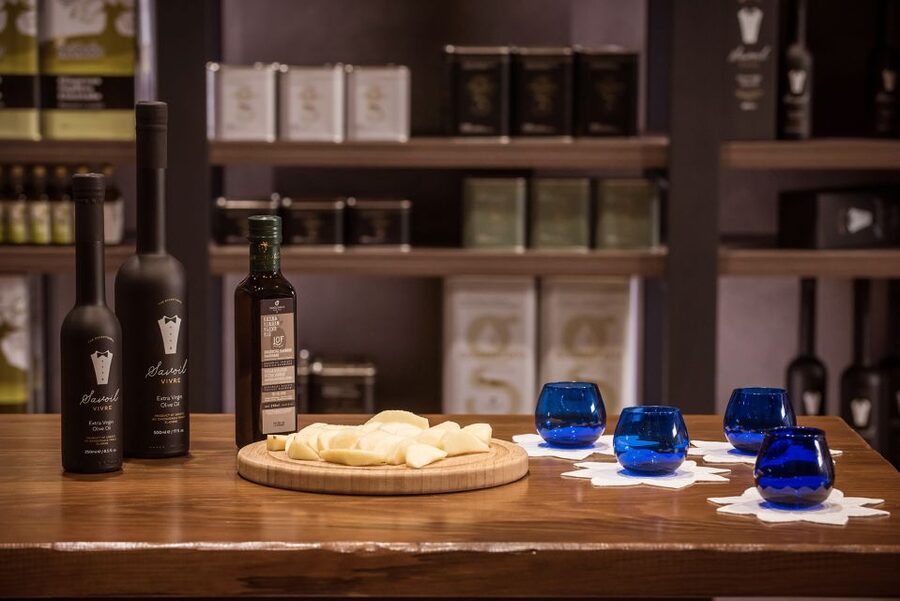
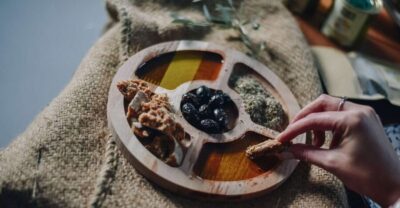
The food pairing is the most memorable part for anyone who likes to cook. You receive a selection of small snacks and use them to test how each oil works with food.
The exact menu is not specified, so you should not book expecting named Cretan dishes. Think of the food as a tasting tool rather than a full meal. Small portions let you focus on the relationship between the oil and the ingredient.
This approach answers a question that many oil tastings leave hanging: What do I do with this bottle once I get home? You may discover that a bold oil works well with a sturdy food, while a more delicate oil is better suited to a lighter recipe. The session focuses on that decision-making process.
I like the way this can change your everyday cooking. You do not need rare ingredients or complicated techniques to use the lesson. The point is to select oil with the food in mind, rather than pouring the same bottle over everything.
The snacks also make the tasting more relaxed. The activity is not only a technical lesson, and the positive feedback describes it as both pleasant and easygoing. That combination should appeal to couples, small groups, and people who want a food experience without committing half a day.
The wellbeing test and advice after the tasting
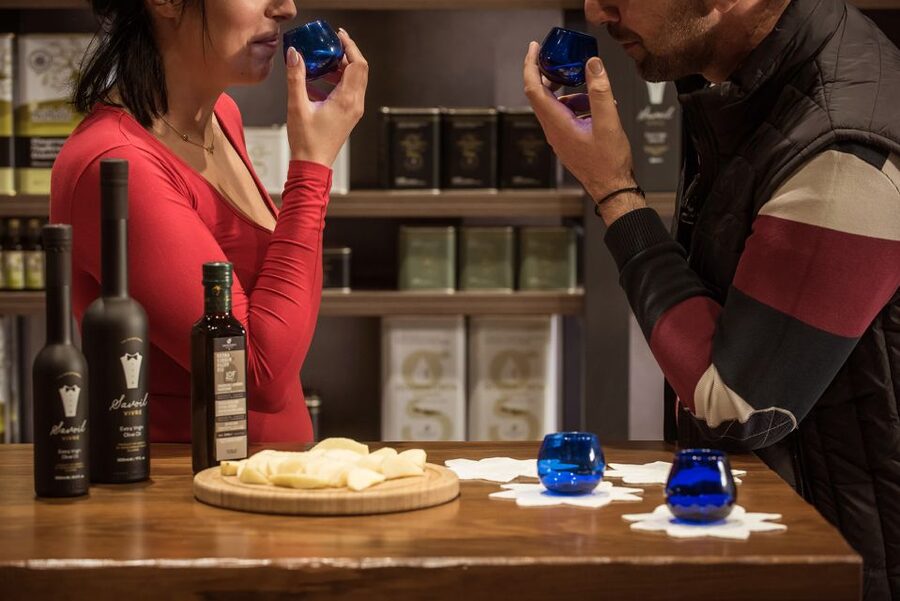
This experience adds a feature that most food tastings do not include: a Wellbeing Navigator Test. It looks at your lifestyle and dietary patterns, then provides personalized feedback and practical advice about adding olive oil to your health routine.
You should treat this as a general wellbeing conversation, not as medical care. The supplied information does not describe the test’s scoring system, the length of the follow-up, or the qualifications of the person giving health advice beyond expertise in wellbeing and olive oil. If you have a medical condition or a specific dietary need, ask clear questions and rely on your healthcare professional for medical guidance.
For most people, the value is practical. You can discuss how olive oil fits into your normal meals and habits rather than receiving a general speech about its benefits. The session highlights nutritional positives that many people do not know, but it also connects those points to daily use.
This section may be especially useful if you are trying to improve your diet without making dramatic changes. Olive oil is already part of many Cretan dishes, so the advice can feel more realistic than a list of unfamiliar foods or strict rules.
Same island, a completely different day out:
- From Kissamos Port: Boat Cruise to Balos Lagoon & Gramvousa
★ 4.2 · 6,755 reviews - Crete: Day Trip to Agios Nikolaos and Spinalonga Island
★ 4.6 · 4,416 reviews - From Chania: Full-Day Samaria Gorge Trek Excursion & Guide
★ 4.6 · 3,191 reviews - Agios Nikolaos: Boat Trip to Spinalonga with Swim Stop
★ 4.4 · 3,031 reviews
A 90-minute schedule that keeps the lesson focused
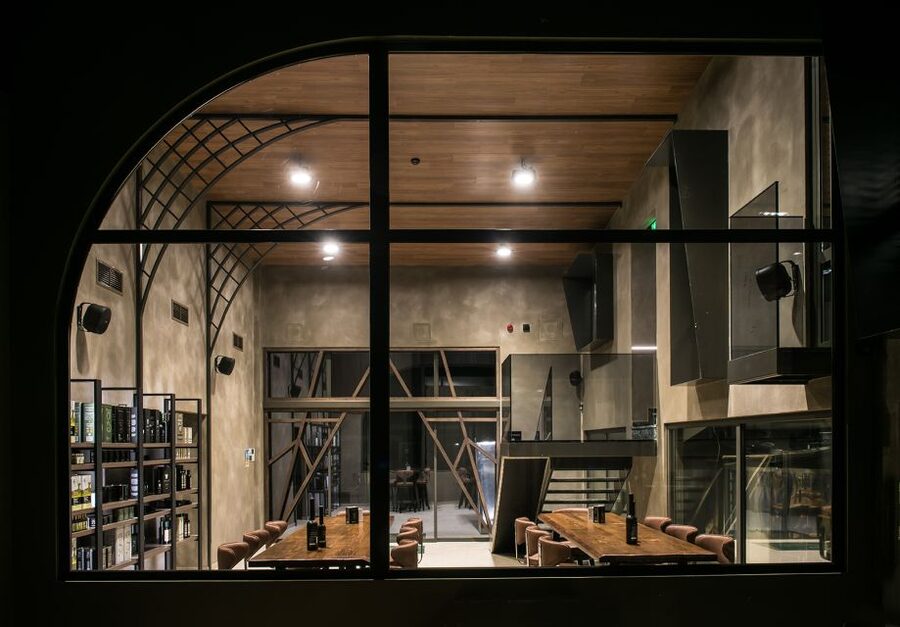
The experience lasts 1.5 hours. That is long enough for several tastings, food pairings, and the wellbeing element, but short enough to combine with another plan in the Heraklion or Moires area.
A typical flow should begin with an introduction to olive oil and tasting technique. You then compare the four premium samples, using apple or bread and water between them. The faulty sample adds a useful contrast before the food pairing puts the oils into a more familiar setting.
The final part addresses wellbeing and practical use. The exact order may vary, and no minute-by-minute schedule is provided. Allow a little extra time around the stated 90 minutes if you have a tight driving plan.
I would avoid placing this between two fixed appointments with no margin. The session itself is brief, but driving to a rural or roadside meeting point can take longer than expected depending on your starting point and traffic.
Getting to the road from Heraklion to Moires
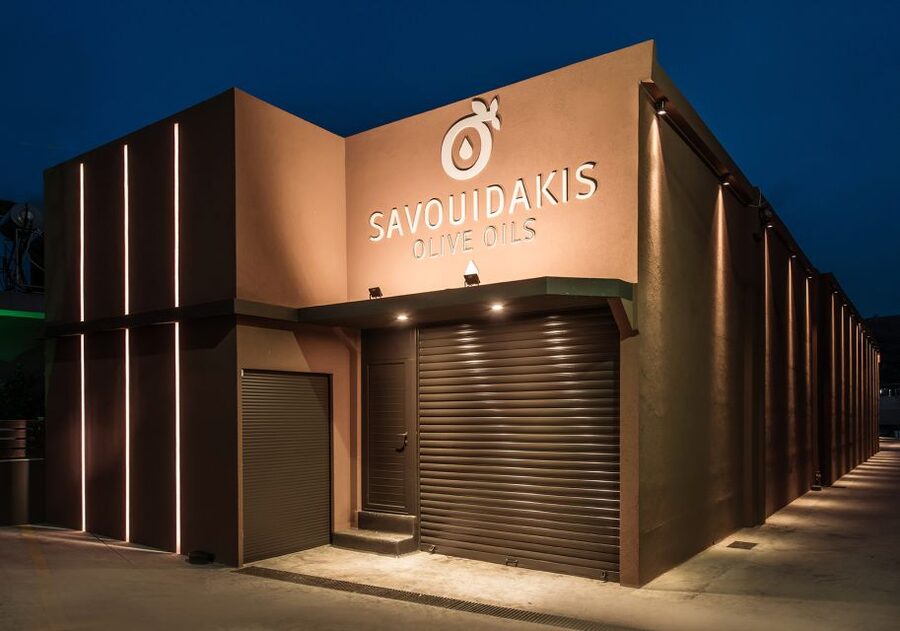
Transportation is not included, and you must drive to the location. The meeting point is on the road from Heraklion to Moires, but the information provided does not give a full street address, pickup service, or public transport option.
This is the biggest practical limitation. If you have a rental car, the experience can fit easily into a day based around central Crete. If you do not drive, confirm your transport plan before paying. Do not assume that a hotel transfer or taxi is included.
The location also shapes who should book. This works well for independent visitors using a car, couples on a food-focused trip, and small groups building their own route. It is less convenient for someone staying in central Heraklion and looking for a walkable activity.
Use the booking details to confirm the precise meeting point and starting time. Several start times may be available, but you must check availability for your date.
Is $88 fair for this Cretan food experience?
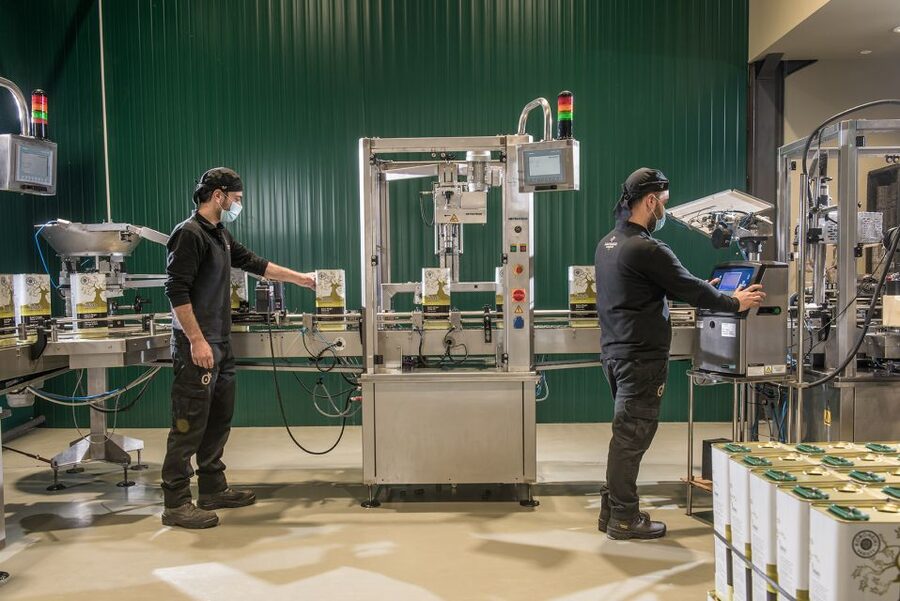
The price is $88 per person. That is not a cheap snack stop, but you are paying for instruction, several premium samples, a faulty comparison oil, food pairings, and the wellbeing assessment.
The value depends on what you want from a food activity. If you only want to taste local olive oil and buy a bottle, a simpler shop visit may cost less. If you want to understand quality, learn how to pair oil with food, and leave with a method you can use at home, the price is easier to justify.
Private and small-group options can also matter. A small setting usually gives you more room to ask questions and compare your own reactions with the instructor’s explanation. The information does not promise a specific group size, so check what is available when booking.
The strongest value is the education. You are not only sampling four products. You are learning how to judge oil, recognize a defect, and choose an oil for a particular dish. That lesson may save you from buying bottles based only on attractive packaging or vague claims.
The price also includes water and palate cleansers, but those are supporting details rather than reasons to book. The food pairing, faulty sample, and personal wellbeing advice are the features that make this more than a standard tasting.
The instructor’s role and the tone of the session
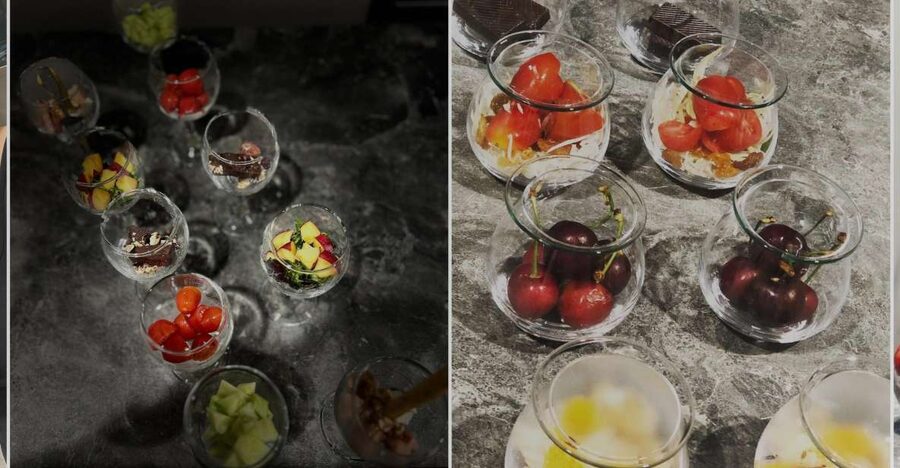
Each tasting is led by a qualified olive oil specialist with expertise in wellbeing. The instructor languages are English and Greek. No individual guide name is provided, so you should not expect to request a named host.
The tone appears to be friendly and relaxed. The session is designed to be informative without becoming stiff or overly academic. That matters because olive oil tasting can sound intimidating when explained in technical terms.
You will get the most from it if you speak up. Ask how to store oil, how to compare labels, what a peppery finish means, and which style suits the foods you cook most often. Those questions are not guaranteed to be part of the formal plan, but they fit the purpose of the session.
The instructor’s passion is central to the experience. A good tasting leader can explain why two oils differ without telling you which one you must prefer. Your own taste is still important. The best result is not learning a single correct answer, but becoming more confident in your choices.
Who should book this activity?
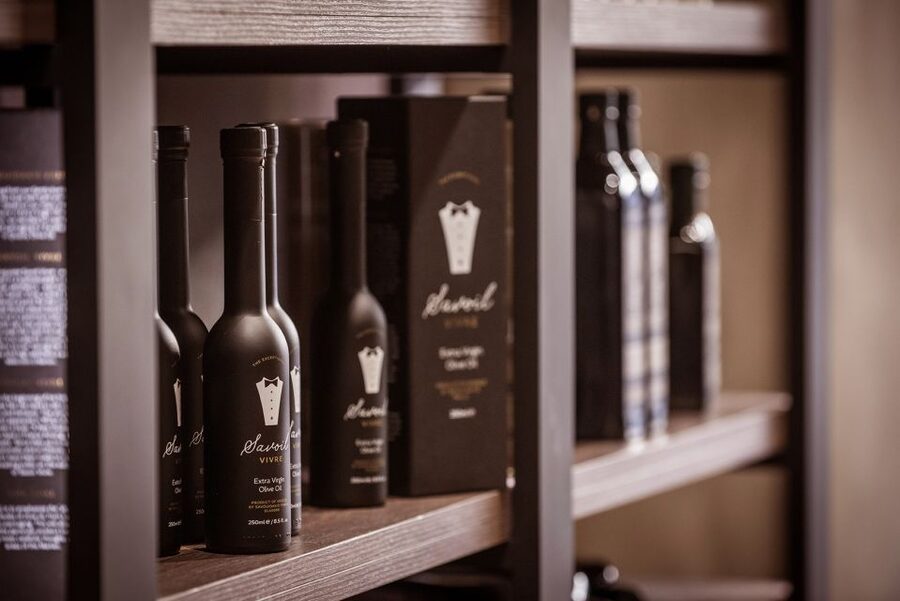
I would recommend it to people who enjoy food, cooking, and practical lessons. It is also a good fit if you want a short activity that feels local and specific to Crete rather than a broad sightseeing tour.
It suits:
- Couples looking for a calm food experience.
- Small groups interested in Cretan ingredients.
- Home cooks who want to improve their oil choices.
- Visitors who are curious about nutrition and everyday eating habits.
- Independent visitors with a car traveling between Heraklion and Moires.
- Beginners who have never taken part in an olive oil tasting.
It may not suit you if you want a full meal, a large farm tour, or a long visit among olive trees. None of those elements is promised. The focus is tasting, food pairing, quality, and wellbeing.
It is also not the best choice if you need included transport. The drive is your responsibility, and the location is not presented as being in central Heraklion.
Booking details that matter
You can cancel up to 24 hours before the activity for a full refund. You can also reserve now and pay later, which helps if your Cretan route is still changing.
The activity is wheelchair accessible. Private and small-group formats are available, although the exact arrangement depends on the date and booking option.
Check the available starting times and confirm the meeting point before setting off. Since transport is not included, plan the drive carefully and allow enough time to arrive without rushing into the tasting.
The experience is offered in English and Greek. If language is important for your group, select the appropriate option or confirm it during booking.
Should you book this olive oil tasting?
Book it if you want to understand how Cretan olive oil works in real food, not just taste it from a small glass. The faulty sample, four premium oils, food pairings, and wellbeing test give the 90-minute session a useful mix of flavor and practical advice.
At $88, it makes the most sense for people who value instruction and small-group attention. It is less convincing if your only goal is a quick sample or a full meal.
My advice is simple: choose this activity when you have a car, enjoy asking food questions, and want to bring home better buying and cooking habits. Skip it if you need a central pickup, a farm visit, or a substantial lunch. For the right audience, it offers a calm, focused way to understand one of Crete’s most important ingredients.
FAQ
Where does the olive oil tasting take place?
The meeting point is on the road from Heraklion to Moires in Crete. You must drive to the location, and transportation is not included.
How long does the experience last?
The tasting lasts 1.5 hours.
How much does the experience cost?
The price is $88 per person.
How many olive oils will I taste?
You will taste four premium olive oils from the provider’s brands, plus one defective sample that shows what to avoid.
Is food included?
Yes. The experience includes a selection of small snacks for food pairing, along with apple or bread to cleanse your palate and bottled water.
What languages are available?
The instructor offers the experience in English or Greek.
Can I cancel or pay later?
You can cancel up to 24 hours in advance for a full refund. Reserve now and pay later is also available.
Just added around Crete
- Crete: Knossos Palace & Heraklion City Tour★ 3.5 · 3 reviews
- Knossos palace (Last minute booking – Skip The Line Ticket)★ 4.5 · 3 reviews
- Cooking Class & Greek Night Experience★ 5.0 · 3 reviews
- Full-Day Tour:Lasithi Plateau -Mythology Park&Knossos Palace★ 3.0 · 3 reviews
- Chania: Private Guided Food and Wine Walking Tour with Lunch★ 5.0 · 3 reviews
- Knossos: Knossos Private Guided Tour★ 5.0 · 3 reviews
- Individual travel accompaniment East Crete★ 5.0 · 3 reviews
- Chania: Knossos Palace – Archaeological museum!★ 3.4 · 3 reviews
Olive Oil Tours & Tastings, compared.

Zeus Cave -Old Traditional Villages-Olive Oil Factory
Read our review →

Olive Farm Tour with Tasting of Local Delicacies
Read our review →
Zeus Cave, Lassithi Plateau, Olive Oil Factory, Kritza, Pottery
Read our review →

Knossos, Lasithi, Lasinthos and Olive Farm Combo Tour
Read our review →Browse the lists this tour appears in