
Reviewed · CRETAN MONASTERIES
Orthodox Crete: In the Footsteps of the Apostle Paul from 55 AD
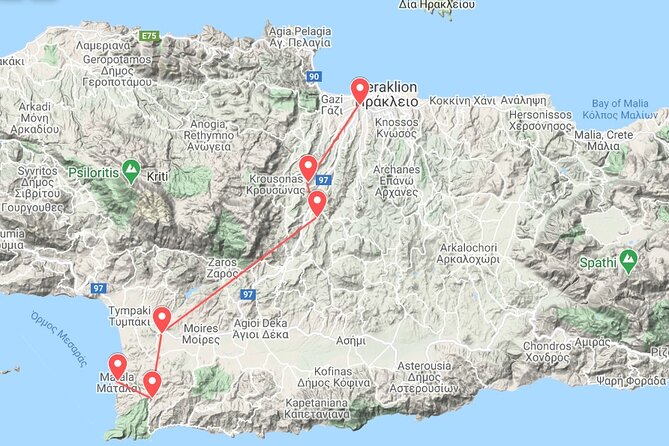
Crete’s Christian story comes alive far from the usual resort circuit. This private day tour links the Apostle Paul’s connection with the island to mountain villages, old monasteries, sacred water, the Bronze Age palace at Phaistos, and the seaside caves of Matala.
I like the private format, which lets your guide shape the day around your interests instead of marching a large group from stop to stop. I also like the mix of faith and archaeology: Agios Myron and Paliani offer a living religious experience, while Phaistos and Matala widen the story beyond Christianity.
The main consideration is the amount of ground covered in eight hours. You will spend plenty of time in the vehicle, and admission to Phaistos, meals, and drinks cost extra. This is best for curious visitors who prefer a focused day with a guide rather than a slow beach outing.
In This Review
- Key points before you book
- Following Paul through central Crete
- Agios Myron and the saint’s cave
- Crossing the Messara Plain
- Paliani Monastery and the sacred myrtle
- Phaistos, where the Christian story meets Bronze Age Crete
- Odigitria Monastery and the southern route
- Matala, caves, beach, and a slower finish
- What the private vehicle adds
- How much value does the day offer?
- Who should book this Crete day trip?
- Practical details before departure
- Should you book Orthodox Crete?
- FAQ
- How long is the Orthodox Crete tour?
- Where can pickup and drop-off take place?
- Is the pickup time fixed?
- Is this a private tour?
- Is the tour offered in English?
- Are meals, drinks, and entrance fees included?
- Can I cancel for a full refund?
Key points before you book
- A private route through central and southern Crete: You travel from the Heraklion area across the Messara Plain to Matala, with your own group and guide.
- Faith sites are the heart of the day: Agios Myron’s cave, Paliani Monastery, and Odigitria Monastery provide the strongest connection to Orthodox Crete.
- Phaistos adds Bronze Age archaeology: The palace visit gives useful context for Crete long before the Christian era.
- Matala provides an easy finish: You get about two hours for the beach, caves, food, and a slower end to a busy day.
- Guiding is the greatest value: Guides such as Gethsemane, Ioanna, Alex, and Nektar have led similar private Christian and cultural routes, with strong emphasis on personal interests.
- Pickup is flexible: You can be collected and returned to a hotel, villa, cruise port, or another agreed point on Crete.
Following Paul through central Crete
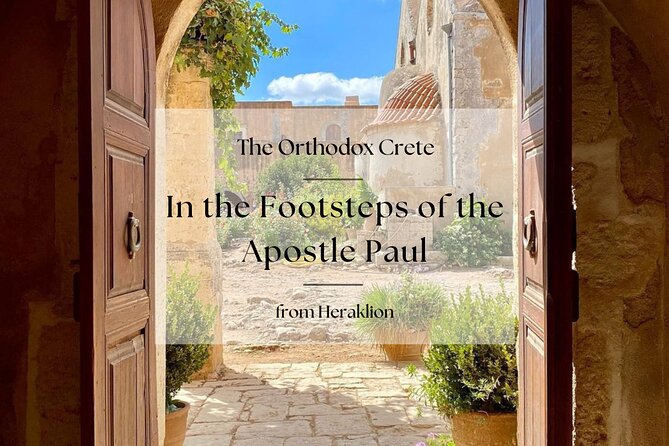
The tour is presented as a journey in the footsteps of the Apostle Paul, who is associated with Crete in the first century. The route does not simply take you to one church and send you back. Instead, it builds a broad picture of the island’s religious past, local traditions, monasteries, ancient settlements, and older sacred customs.
That broad approach is useful. You will not be looking at Christian sites in isolation. The Bronze Age palace at Phaistos and the prehistoric caves at Matala help show how many different cultures and beliefs have shaped this part of Crete.
Your guide is central to the experience. The named guides connected with similar private tours include Gethsemane, Ioanna, Alex, and Nektar. Their strengths appear to vary. Ioanna is especially suited to visitors interested in Judeo-Christian links, while Gethsemane is described as particularly good at making history accessible to younger children. Alex and Nektar have also led wider cultural routes that combine monasteries, villages, archaeological places, and local food.
Since this is a private activity, you can say what matters most to you. If your main interest is Orthodox worship and monastic life, ask for more time at the monasteries. If your group includes children, request a livelier explanation at Phaistos. If food matters most, ask your guide to help arrange a restaurant near Matala.
More Monastery Tours in Heraklion
- Heraklion: Matala Beach, Hippie Caves & Odigitria Monastery
★ 4.6 · 332 reviews - Crete: Quad Safari with Monastery, Malia Palace and Lunch
★ 4.8 · 232 reviews - Crete: Lassithi Plateau & Kera Monastery Tour with Ceramics
★ 4.1 · 169 reviews
Agios Myron and the saint’s cave
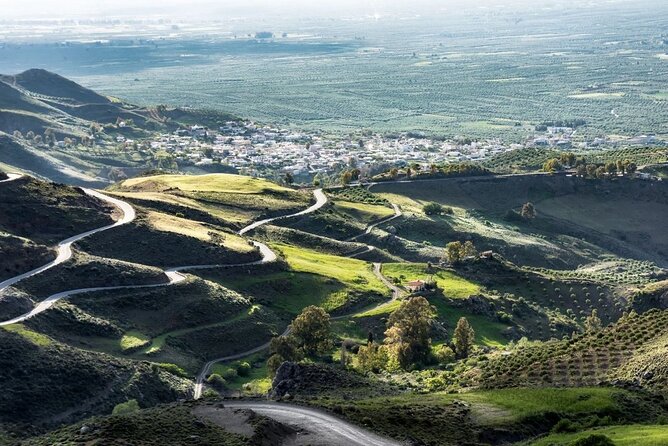
The first distinctive stop is Agios Myronas, a village set at about 400 meters above sea level. You have around 35 minutes here, enough for a concise visit rather than a long village walk.
The focus is the ascetic holy cave associated with Agios Myron. Healing water still flows from the rock, giving the site a strong devotional character. This is one of the tour’s most unusual stops because the experience is tied to a physical feature you can see and understand immediately: a spring emerging inside a sacred cave.
I would approach this place with respect and modest expectations. The visit is short, and the supplied details do not promise a formal service, extensive walking tour, or a guaranteed opportunity for personal use of the water. Your guide’s explanation is what turns the cave from a quick photo stop into a meaningful part of the day.
The setting also gives you a first taste of Crete away from the coast. The elevation, village setting, and road through the interior help break up the long drive toward the Messara Plain.
Crossing the Messara Plain
The route then heads through the ancient Messara valley, with about 45 minutes devoted to seeing this agricultural part of southern Crete through local eyes. This is less a single attraction than a moving lesson in the island’s interior.
You will see a side of Crete that can be missed if you stay around Heraklion or spend your entire holiday on the shore. The valley connects the tour’s religious stops with the prehistoric sites farther south. It also makes the day feel like a journey rather than a string of unrelated appointments.
This section is especially valuable with a strong local guide. Ask questions as you drive. The supplied tour details do not specify every village or viewpoint, so the exact character of this part may depend on road conditions, timing, and your guide’s chosen route.
The tradeoff is simple: you gain geographic context, but this is not a dedicated hiking or sightseeing stop. If you dislike vehicle time, the itinerary may feel full. If you enjoy watching the countryside change while someone explains what you are seeing, it earns its place.
Paliani Monastery and the sacred myrtle

Paliani Monastery is one of the day’s main Orthodox stops. The visit lasts about 35 minutes and centers on the Assumption of the Virgin Mary. It is described as one of Crete’s oldest monasteries and is known for a sacred myrtle tree.
That tree connects Christian devotion with older Cretan customs. The myrtle is presented as a relic linked to the island’s pre-Christian Minoan tree worship, giving your guide a chance to explain how sacred places and symbols can acquire new meaning over time.
I like this kind of stop because it avoids treating religion as a museum subject. Paliani is a working monastery with a living devotional identity. Your guide can help you understand what you are seeing, including why the tree matters and how the monastery fits into the island’s religious story.
The short visit means you should not expect a long period of quiet reflection or a full tour of every building. Dress and behave respectfully at religious sites, and ask before taking photographs. Specific clothing requirements are not supplied, so practical modesty is the safest choice.
More monasteries worth the drive from Heraklion:
- Heraklion: Matala Beach, Hippie Caves & Odigitria Monastery
★ 5.0 · 35 reviews - Lasithi plateau,wine and olive oil tasting,Greek Mythology park
★ 5.0 · 14 reviews - Plateau of Lassithi, Monastery of Kera and Ceramics
★ 3.5 · 11 reviews - On the trail of the Greek Mythology
★ 5.0 · 6 reviews
Phaistos, where the Christian story meets Bronze Age Crete
Phaistos shifts the day back thousands of years. You get about 35 minutes at the Bronze Age palace, but the admission fee is not included.
The site matters because it gives you a view of Crete before the Apostle Paul, before Orthodox monasteries, and before the modern island. The palace is part of the prehistoric world that shaped the identity of southern Crete, and its position above the Messara area connects neatly with the valley you have just crossed.
Thirty-five minutes is enough for an introduction, especially with a private guide who can point out the parts that matter most. It is not enough for a slow archaeological study. If Phaistos is your primary reason for booking, ask in advance how much time can be protected for the site and confirm the current entrance arrangements.
The extra fee is a small but important planning point. Since meals, drinks, and admission costs are excluded, bring a payment method and allow room in your budget. The value here comes from combining the entrance with transport and interpretation, rather than paying for a stand-alone archaeological visit.
Odigitria Monastery and the southern route
Odigitria Monastery is presented as the day’s major monastic highlight. You have around 45 minutes to explore this fortified complex in the southern part of Crete.
Its defensive form tells you that monasteries were not only places of prayer. They could also be protected communities with a role in the survival of local culture. The fortifications give the visit a different feel from Paliani, and your guide can help connect the building’s physical design with the wider story of monastic Crete.
The stop is also linked with Agiofarango, a southern area associated with an important spiritual tradition. The supplied details do not promise a separate hike into the gorge, so you should not book this expecting a strenuous nature excursion. The attraction is the monastery and the cultural setting reached by road.
This is another place where timing matters. Forty-five minutes allows a useful visit, but not an exhaustive one. I would put your phone away for part of the stop and listen. The value is in understanding why the monastery was built as it was, not simply checking off another old building.
Matala, caves, beach, and a slower finish
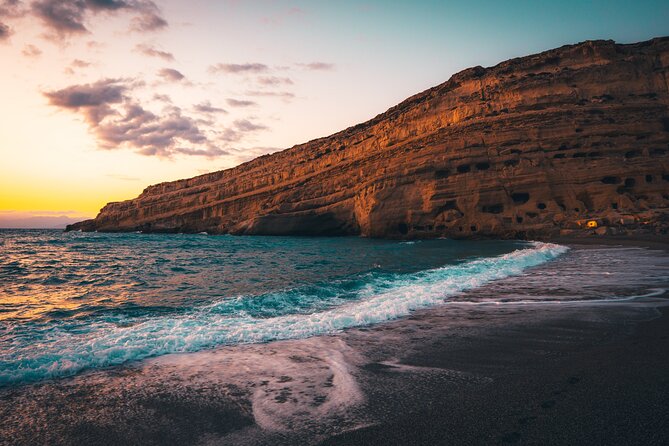
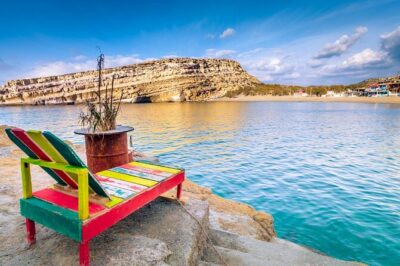
After the religious and archaeological visits, the tour ends with about two hours at Matala Beach. This is the most relaxed part of the day and gives you time to change pace.
Matala is described as the prehistoric port of Gortyna, with caves associated with the Neolithic Age. The caves are the visual draw, but the broader appeal is the combination of sea, archaeology, and food. You can finish with time by the water and a seafood meal, with the tour provider offering help with restaurant suggestions and reservations.
Meals and drinks are not included, so you pay directly for lunch or dinner. That gives you some choice, but it also means the final cost depends on what you order and where your guide arranges a table.
Two hours is a sensible amount of time for a brief swim or beach break, a look at the caves, and a meal. It may feel short if you want a full afternoon by the sea. It is generous enough, however, to stop the day from ending in a rush after Odigitria.
Matala is not just a pretty finale. It also returns you to the long sequence of cultures that shaped Crete. Sacred caves, prehistoric settlement, ancient ports, and modern seaside life all meet here.
What the private vehicle adds

The tour includes a chauffeured premium vehicle with mineral water, Cretan fruit, snacks, Wi-Fi, USB sockets, and hygiene supplies. Those touches matter because this is a full day with several long road sections.
A comfortable vehicle lets you carry on a conversation, rest between stops, and keep your belongings close. The private setup also means you do not share the day with strangers. That is helpful for families, couples, and small groups with different interests.
Flexible pickup is another practical strength. You can request collection from a hotel, villa, cruise stop, or another point on Crete, with the final time agreed after confirmation. The activity ends back at the meeting point, so confirm the exact pickup and return details before the day begins.
The tour is offered in English. Service animals are allowed, and the activity is described as suitable for most participants. Since the route includes caves, monasteries, archaeological ground, and several vehicle transfers, ask the provider directly about any specific mobility concern.
How much value does the day offer?
No tour price is supplied here, so I cannot judge the exact cost against competing excursions. The right comparison is not simply a bus trip to Phaistos or a beach transfer to Matala.
You are paying for private transport, a dedicated guide, flexible pickup, route planning, onboard supplies, help with tickets, and restaurant assistance. The provider also offers skip-the-line support and help purchasing admission tickets, though the actual admission fees remain yours to pay.
That can be good value if you want Christian sites that are difficult to connect using public transport. It is less compelling if your goal is only to see Phaistos and Matala, since you could seek simpler transport for those individual stops.
The guide is where the price earns its keep. A good explanation at Agios Myron, Paliani, and Odigitria changes the day from sightseeing into a coherent study of Cretan faith and memory. Ask for a guide whose background matches your interests, especially if you want strong Christian context, archaeology, or family-friendly storytelling.
Who should book this Crete day trip?
I would recommend it to you if you want:
- Orthodox monasteries and sacred places, not only famous ruins
- A private guide who can adapt the conversation and pacing
- A day that joins religion, archaeology, villages, and the coast
- Comfortable transport from your own accommodation or cruise stop
- Help choosing a restaurant and organizing admission tickets
- A meaningful cultural day suitable for families with older children
I would be more cautious if you want a slow holiday day. The schedule includes seven main stops and a lot of driving. Visitors who dislike changing locations often may prefer a monastery-only outing or a dedicated Matala beach day.
You should also book with realistic expectations about the title. The tour connects its route to Paul’s presence in Crete, but it does not mean every stop is a directly documented place where Paul stood. Your guide’s interpretation will be important, especially when moving between early Christianity, later Orthodox traditions, Minoan customs, and prehistoric archaeology.
Practical details before departure
The activity lasts about eight hours. Pickup and drop-off are available across Crete, including hotels, villas, cruise points, and other agreed locations. The pickup time is flexible, but you need to settle it at final confirmation.
Bring comfortable clothing for a long day and a payment method for Phaistos, food, and drinks. The tour includes snacks and mineral water, but not a meal. If you want seafood at Matala, ask for restaurant help early in the day.
Free cancellation is available up to 24 hours before the start time. Cancelling within 24 hours does not qualify for a refund, and changes made inside that period are not accepted. Confirmation is received at booking.
Should you book Orthodox Crete?
Book this tour if you want the island’s Christian story explained alongside its older sacred traditions and archaeological past. The strongest parts are the private guiding, Agios Myron’s cave, Paliani’s myrtle tree, fortified Odigitria, and the final pause at Matala.
I would choose it over a standard sightseeing loop when the guide matters as much as the sights. Ask about guide availability, confirm the exact pickup point, check the Phaistos admission cost, and tell the provider whether faith, archaeology, family storytelling, or food should receive the most attention.
FAQ
How long is the Orthodox Crete tour?
The experience lasts approximately eight hours.
Where can pickup and drop-off take place?
Personal pickup and drop-off are available from a hotel, villa, cruise point, or another agreed location on Crete.
Is the pickup time fixed?
No. The pickup time is flexible and is arranged with you after final confirmation.
Is this a private tour?
Yes. Only your group participates in the activity.
Is the tour offered in English?
Yes. English is the listed tour language.
Are meals, drinks, and entrance fees included?
No. Meals, drinks, and admission fees are not included. The provider can assist with restaurant recommendations, reservations, and purchasing tickets.
Can I cancel for a full refund?
Yes, if you cancel at least 24 hours before the experience start time. Cancellations or changes made within 24 hours are not accepted for a refund.
Just added around Heraklion
- Crete: Knossos Palace & Heraklion City Tour★ 3.5 · 3 reviews
- Full-Day Tour:Lasithi Plateau -Mythology Park&Knossos Palace★ 3.0 · 3 reviews
- Knossos: Knossos Private Guided Tour★ 5.0 · 3 reviews
- Snorkeling Tour with Sea Scooter in Heraklion★ 5.0 · 3 reviews
- Heraklion: Holistic Massage: Revitalization of Body & Spirit★ 5.0 · 3 reviews
- Gramvousa and Balos Tour From Heraklion★ 4.0 · 3 reviews
- Heraklion: Walking city tour & Wine tasting★ 5.0 · 3 reviews
- Buggy Safari Tours In Crete Heraklion★ 5.0 · 3 reviews
Cretan Monasteries, compared.
Matala Beach, Hippie Caves & Odigitria Monastery
Read our review →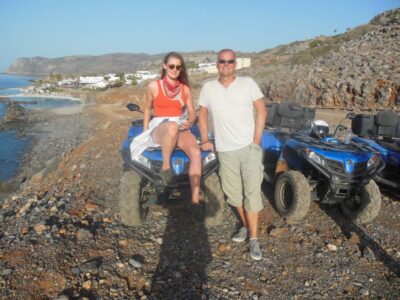
Quad Safari with Monastery, Malia Palace and Lunch
Read our review →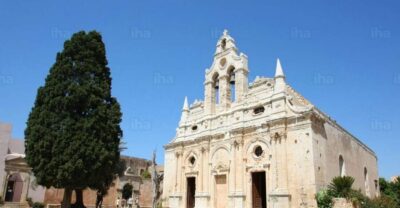
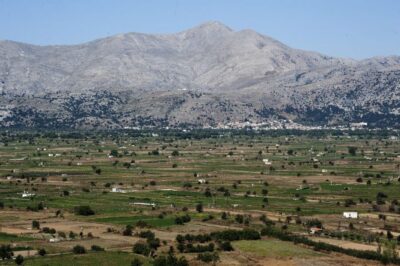
Lassithi Plateau & Kera Monastery Tour with Ceramics
Read our review →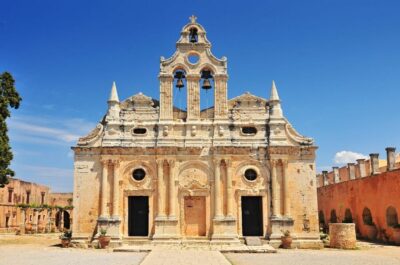
Melidoni Cave and Arkadi Monastery Half-Day Trip
Read our review →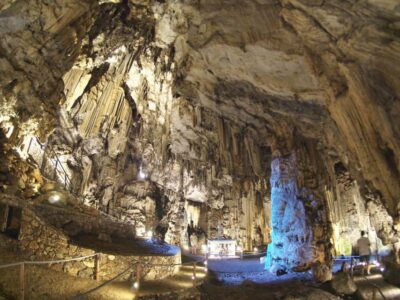
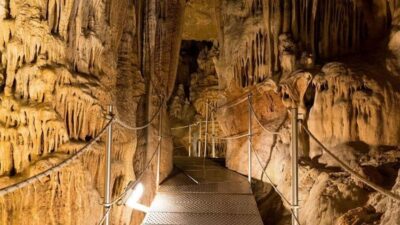
Matala Beach, Hippie Caves & Odigitria Monastery
Read our review →Browse the lists this tour appears in