
Reviewed · DIVING & SNORKELING
Research diving with a Marine Biologist in Crete
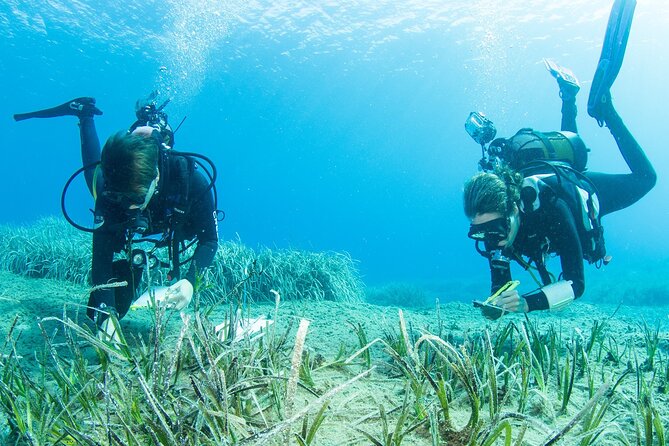
The unusual part of this Crete outing is that you do more than look at fish. A marine biologist helps you study the seafloor, record what you see, collect samples, and examine tiny Mediterranean life under a microscope. The group is capped at four certified divers, so the program can follow your skills and interests rather than a fixed script.
I like the hands-on citizen science work, especially the sediment sampling and underwater note-taking. I also like the relaxed, educational tone created by Dive2gether Crete’s marine biology team, including Vanessa, Martina, Marie-Claire, Kirsten, and Katy. The main drawback is simple: you must already be a certified scuba diver, fit, healthy, and ready for two underwater sessions.
In This Review
- Key points at a glance
- What makes this Crete sea program different
- Starting at Dive2gether Crete in Plakias
- Souda Beach: beginning with observation
- Plakias: the field station and second stage
- Looking through the microscope after the water work
- The citizen science element
- How the price measures up
- Who will get the most from the day
- Practical details that affect your day
- Should you book this marine biology experience?
- FAQ
- Do I need to be a certified scuba diver?
- How many people can join the private activity?
- What time does the experience begin?
- Where does the day begin and end?
- How many underwater sessions are included?
- Is scuba equipment provided?
- Is lunch included in the price?
- Can I purchase underwater photographs?
Key points at a glance
- Two underwater sessions: Visit Souda Beach and Plakias during a full day of marine study.
- Small private group: Only your party takes part, with a maximum of four divers.
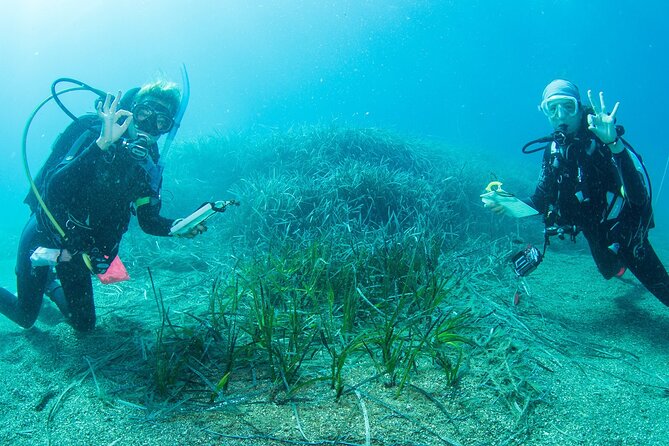
- Marine biology in practice: Learn observation methods, collect sediment samples, and record species.
- Open-air lab work: Use specialist equipment and microscopes at the Dive2gether Crete field station.
- A flexible program: The marine biologist adjusts the day to your experience, interests, and ability.
- Extra costs to plan for: Lunch at a beach taverna and optional underwater photographs are paid separately.
What makes this Crete sea program different
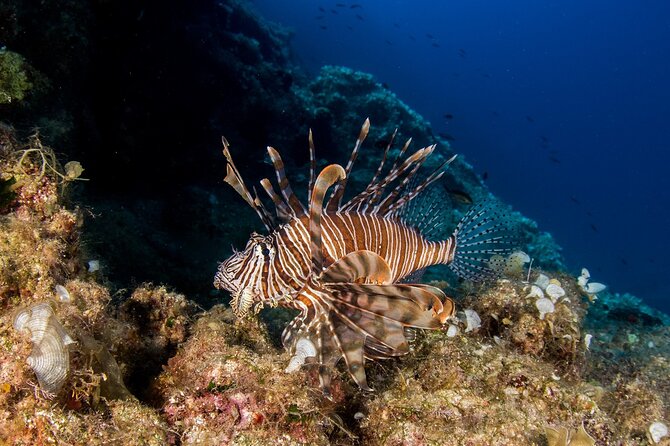
Most recreational scuba outings ask you to notice the scenery, marine life, and water conditions. This one asks you to pay closer attention. You may record species, make underwater notes, collect sediment, and look at small organisms that are easy to miss during a normal recreational outing.
That change in focus matters. Instead of simply passing over a patch of seagrass or sand, you learn to ask what lives there, how researchers gather information, and why small changes in the sea floor matter. The experience turns you into a temporary citizen scientist, with your observations contributing to marine biology projects.
You are not signing up for a formal university course. The day is designed as a practical, accessible introduction to field research for certified scuba divers. Briefings explain the methods, then you put those methods into practice underwater. Back at the field station, you discuss what you found and use microscopes for a closer look.
The group limit is one of the strongest features. With no more than four divers, the guide has room to adapt the pace and subject matter. If you are new to marine observation, you can focus on basic identification. If you already know local species, you may spend more time on recording techniques or habitat study.
More dive and snorkel trips off Crete:
- Hersonissos: Jet Boat Tour with Snorkeling
★ 4.9 · 1,385 reviews - Heraklion: Dia Island Sailing Cruise with Snorkeling
★ 4.7 · 742 reviews - Heraklion: Scuba Diving Experience for Beginners _Beach
★ 4.7 · 549 reviews
Starting at Dive2gether Crete in Plakias
The day begins at 8:30 am at Dive2gether Crete, a 5-star PADI diving school and marine field station on Eleftheriou Venizelou in Myrthianos, Plakias. This is both your meeting point and your finish point, which keeps the day straightforward.
You receive scuba equipment, bottled water, and the specialist marine biology equipment needed for the program. The opening briefing is important, so arrive ready to listen rather than treating it as a quick equipment check. You will learn what to look for, how observations are recorded, and what the group hopes to study.
The program is tailor-made to your certification level, experience, and interests. That is useful for a mixed family group or a small party with different amounts of underwater time behind them. The experience is private, so you are not placed with a large public group.
Still, this is an active day. You should have a moderate level of fitness and be healthy and fit for scuba activity. If you have not been in the water for some time, consider your comfort level before booking. The marine biology content is rewarding, but it does not remove the physical demands of carrying equipment and spending time underwater.
Souda Beach: beginning with observation
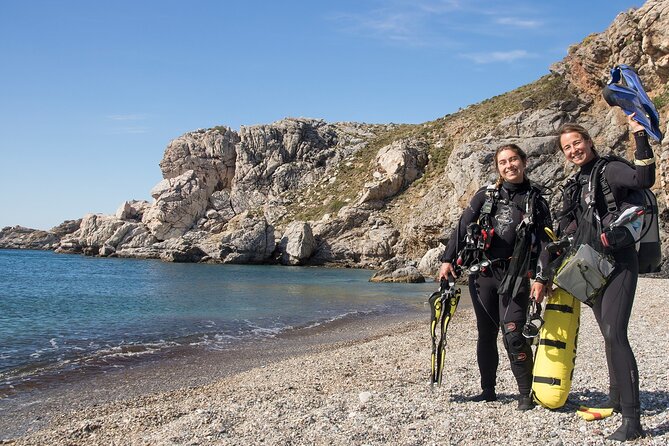
Souda Beach is the first named stop. The exact research focus can vary, since the program is shaped around the group’s interests and the conditions of the day. Expect the first session to help you get comfortable with the method: observe carefully, recognize species, and learn how to record what you see.
This is where the educational design becomes clear. You are not rushed from one point to another in search of a long list of creatures. You may spend more time examining a smaller area, looking at the relationships between the habitat and the organisms living there.
A family group of Advanced Open Water divers previously used one session to get familiar with a site and learn which species could generally be found there. That gives you a good idea of the likely rhythm: first understand the setting, then build your observation skills.
The value of Souda Beach is not only the underwater view. It gives you a practical starting point before the more research-focused work later in the day. If you are new to field notes, species recognition, or marine sampling, this first stop should make the later tasks feel less confusing.
Plakias: the field station and second stage
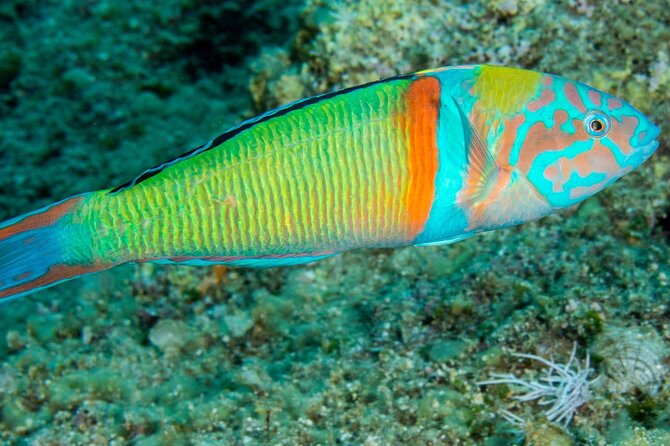
Plakias is listed as the second stop, and it is also home to the meeting point and marine field station. The day returns here after the underwater work. This makes Plakias the practical base for briefings, equipment, debriefing, and microscope study.
The program may include sediment sampling, depending on the focus chosen for your group. One seagrass research session used samples from the sea floor to reveal the microscopic ecosystem living among the plants. That is the kind of detail a normal recreational outing often misses.
You may also take underwater notes and play a species recognition game. These activities sound simple, but they encourage you to stay alert. A fish or plant that you would normally glance at becomes part of a record. You start noticing size, shape, habitat, and the small life hidden in the sediment.
There is a useful balance here. The day does not appear to demand specialist scientific training, but it does expect curiosity and careful attention. You will get more from it if you enjoy asking questions and are willing to slow down.
Same island, a completely different day out:
- From Kissamos Port: Boat Cruise to Balos Lagoon & Gramvousa
★ 4.2 · 6,755 reviews - Crete: Day Trip to Agios Nikolaos and Spinalonga Island
★ 4.6 · 4,416 reviews - From Chania: Full-Day Samaria Gorge Trek Excursion & Guide
★ 4.6 · 3,191 reviews - Agios Nikolaos: Boat Trip to Spinalonga with Swim Stop
★ 4.4 · 3,031 reviews
Looking through the microscope after the water work
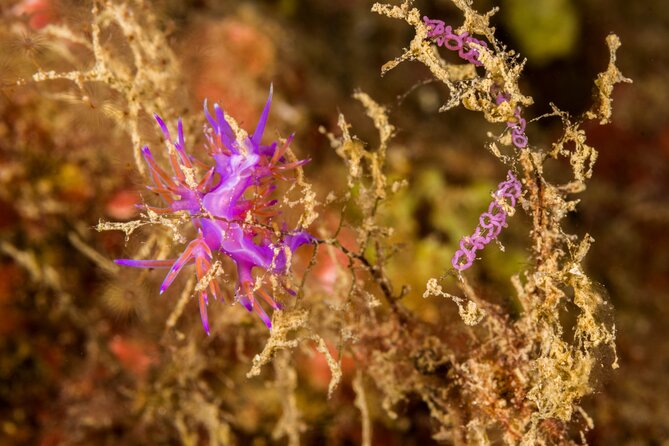
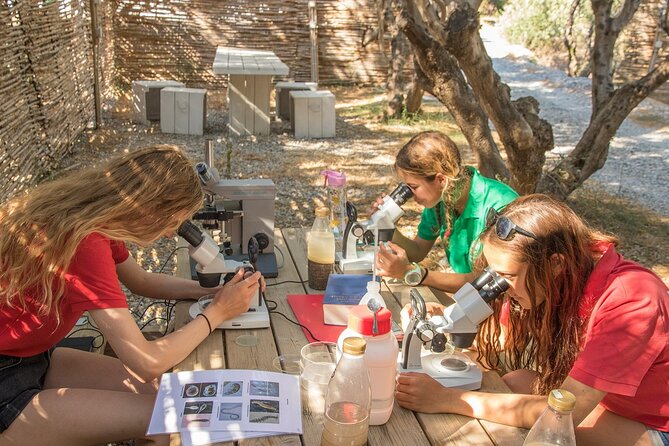
The open-air marine biology lab is where the day’s observations become easier to understand. After the two underwater sessions, you can examine samples under microscopes and talk through what you experienced.
This is more than a quick show-and-tell. Seeing small organisms magnified helps connect the visible sea floor with the much larger ecosystem beneath it. Seagrass beds and sediments can look quiet from above, yet the microscope reveals another layer of activity.
The debrief also gives you time to compare notes with the marine biologist and your group. You can discuss which species you noticed, what surprised you, and how your samples fit into the research work. The guides associated with the program include Vanessa, Martina, Marie-Claire, Kirsten, and Katy, all trained marine biology staff connected with the center’s educational work.
The lab is especially valuable for families, university groups, and experienced scuba users who want a clearer sense of how marine research is carried out. It gives the day a proper finish rather than ending as soon as you leave the water.
The citizen science element
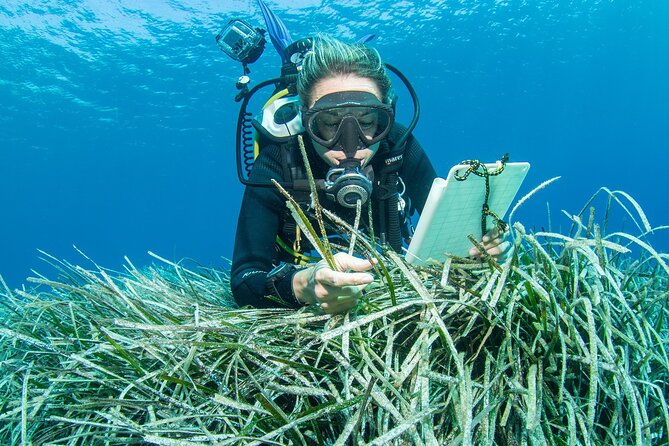
The citizen science angle is not just a label. You take part in basic data collection and observation that can help educate others and support environmental protection work. Your contribution is modest, but it gives the outing a purpose beyond personal entertainment.
I like this approach because it respects the Mediterranean as a living system rather than treating it as a backdrop. You learn how scientists gather information, why repeated observations matter, and how small samples can reveal a larger picture.
You should keep your expectations realistic. This is not a professional research expedition, and the available information does not promise a particular rare species or dramatic underwater event. The reward comes from learning to see familiar habitats more carefully.
That makes the experience a good choice for someone who has already enjoyed standard scuba outings and now wants more structure. It also suits a parent and children who are certified, university groups, and small parties with an interest in ecology.
How the price measures up
The listed price is $308.58 per person for the day. That is not a low-cost recreational outing, so you should judge it against what is included rather than comparing it with a basic beach session.
The fee covers the marine biologist-led program, scuba equipment, specialist marine biology equipment, bottled water, and microscope use in the field lab. You are paying for instruction, a very small group, research activities, and the time spent processing what you find afterward.
That package can offer good value if you want education and participation, not just underwater sightseeing. A standard scuba trip may cost less, but it is unlikely to include the same combination of species work, sediment samples, field notes, and laboratory observation.
Two extra expenses need attention. Lunch at a beach taverna is not included, although the group enjoys eating together during the day. Underwater photos are also separate, priced at 19 euros if you choose to purchase them. You may prefer to skip the photographs and keep your budget focused on the experience itself.
The private format also affects the price. Your group is not sharing the activity with a large number of people, and the guide can shape the work around your ability. For four people who are keen on marine science, that can make the cost easier to justify.
Who will get the most from the day
You should consider this program if you are:
- A certified scuba diver who wants more than a standard recreational outing
- Interested in Mediterranean plants, animals, seagrass, or sediment life
- Comfortable with a full day that combines physical activity and classroom-style learning
- Traveling with a small private group of up to four people
- A family with certified divers who enjoy learning together
- Part of a university or study group looking for practical marine biology activities
You may want another type of outing if you are not certified, have health concerns related to scuba activity, or mainly want a short, relaxed swim. This program has a clear educational purpose, and the two underwater sessions require suitable fitness and experience.
It is also worth knowing that the research focus is flexible. You will not necessarily receive a fixed list of animals or a guaranteed encounter. Instead, the guide shapes the work around your group and the underwater biome you choose to study.
Practical details that affect your day
The activity lasts about one day and begins at 8:30 am. It starts and ends at Dive2gether Crete in Plakias, so you do not need to manage a separate return meeting point.
The experience is offered in English. Confirmation is provided when you book, and the activity is private for your group only. A mobile ticket is available, which is handy if you are moving around Crete and keeping your bookings on your phone.
Plan for lunch separately. The meal at the beach taverna is part of the social rhythm of the day, but you pay for it yourself. Bring an open mind as well as your certification details and physical readiness. The most useful preparation is not memorizing species names. It is arriving ready to observe carefully and ask questions.
Free cancellation is available if you cancel at least 24 hours before the local start time. Changes or cancellations inside that window are not accepted for a refund, so check your plans before the deadline.
Should you book this marine biology experience?
Book it if you are a certified scuba diver who wants to understand the Mediterranean rather than simply pass through it. The small group, marine biologist guidance, practical sampling, and microscope session give the day a clear purpose.
I would especially recommend it to repeat divers, curious families with certified members, and university groups. The price is high for a casual outing, but it makes more sense when you value specialist instruction and hands-on research.
Skip it if you are seeking a beginner lesson, a quick swim, or a guaranteed wildlife spectacle. This is a thoughtful, active day built around observation and learning. You come away with a better sense of how marine scientists work, and perhaps with a new habit of looking twice at the sea floor.
FAQ
Do I need to be a certified scuba diver?
Yes. The program is for certified divers only, and you must be healthy and fit for scuba activity.
How many people can join the private activity?
Your private group can include a maximum of four divers.
What time does the experience begin?
The activity starts at 8:30 am.
Where does the day begin and end?
It begins and ends at Dive2gether Crete, the 5-star PADI diving school and marine field station on Eleftheriou Venizelou in Myrthianos, Plakias.
How many underwater sessions are included?
The program includes two underwater sessions, with stops listed at Souda Beach and Plakias.
Is scuba equipment provided?
Yes. Use of scuba equipment and specialist marine biology equipment is included.
Is lunch included in the price?
No. Lunch at a beach taverna is enjoyed together but must be paid for separately.
Can I purchase underwater photographs?
Yes. The guide takes underwater photographs, which can be purchased separately for 19 euros.
Just added around Crete
- Crete: Knossos Palace & Heraklion City Tour★ 3.5 · 3 reviews
- Knossos palace (Last minute booking – Skip The Line Ticket)★ 4.5 · 3 reviews
- Cooking Class & Greek Night Experience★ 5.0 · 3 reviews
- Full-Day Tour:Lasithi Plateau -Mythology Park&Knossos Palace★ 3.0 · 3 reviews
- Chania: Private Guided Food and Wine Walking Tour with Lunch★ 5.0 · 3 reviews
- Knossos: Knossos Private Guided Tour★ 5.0 · 3 reviews
- Individual travel accompaniment East Crete★ 5.0 · 3 reviews
- Chania: Knossos Palace – Archaeological museum!★ 3.4 · 3 reviews
Diving & Snorkeling, compared.
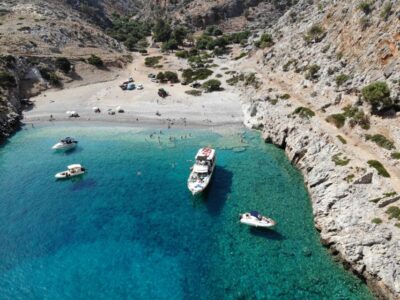
Menies Beach & Chironisia Bay Cruise with Snorkeling
Read our review →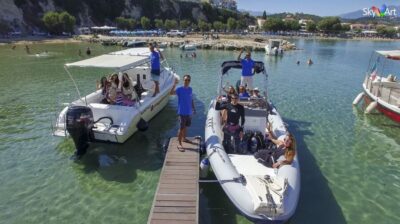
Boat Trip with Guided Snorkeling & Stand-Up Paddling
Read our review →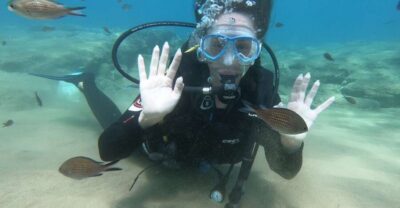
Beginner Scuba Diving Lesson with PADI Instructor
Read our review →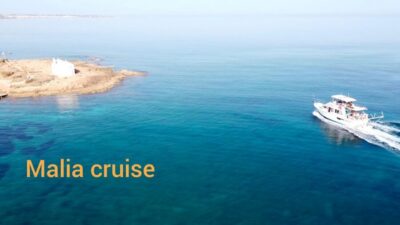
Boat Trip in Crete with Guided Snorkeling and Free Pick up!
Read our review →Browse the lists this tour appears in