
Reviewed · OLIVE OIL TOURS & TASTINGS
Rethymno: Olive Oil Tasting with Cretan Food Pairing
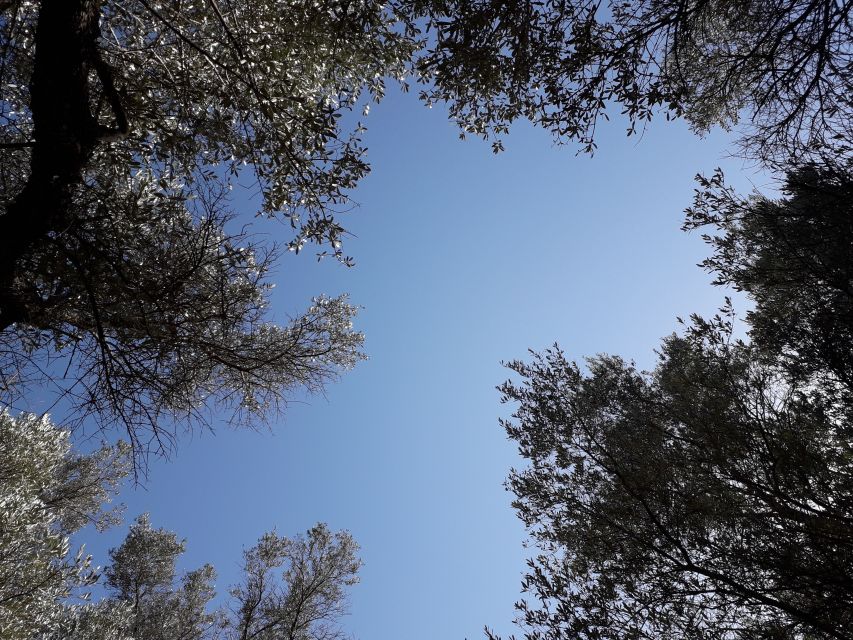
A table set beneath ancient olive trees is a fine place to learn why olive oil matters so much in Crete. This three-hour experience takes you into a 2,000-year-old monumental olive grove, where Aspassia explains the trees, the harvest, and the role of oil in Cretan life before guiding you through four oils with local food.
I like two things especially: the quiet setting gives the tasting room to breathe, and the food pairing shows you how the same oil can taste very different with different dishes. I also like that you learn practical skills, from choosing and preserving oil to using it for cooking and frying.
The main consideration is the setting. You meet at the Valide Cooking Activities Building and drive to the grove, so finding the starting point takes care. Mosquitoes can also be a problem, even in October. Bring insect repellent, a sun hat, comfortable shoes, and a light jacket.
In This Review
- Key points at a glance
- Why an olive grove is the right classroom
- Meeting Aspassia at the Valide building
- Walking through Cretan olive culture
- Learning to taste four olive oils
- Four courses with local Cretan products
- What makes the small group worthwhile
- The practical drawbacks to plan around
- Is $107 a fair price?
- Who should book this experience?
- Booking details worth knowing
- Should you book it?
- FAQ
- How long does the olive oil tasting last?
- Where does the activity begin?
- Is transportation included?
- How many olive oils will I taste?
- Is food included?
- What languages are available?
- Can I cancel the booking?
Key points at a glance
- Taste four different olive oils with a four-course Cretan food pairing rather than simply sampling oil from a spoon.
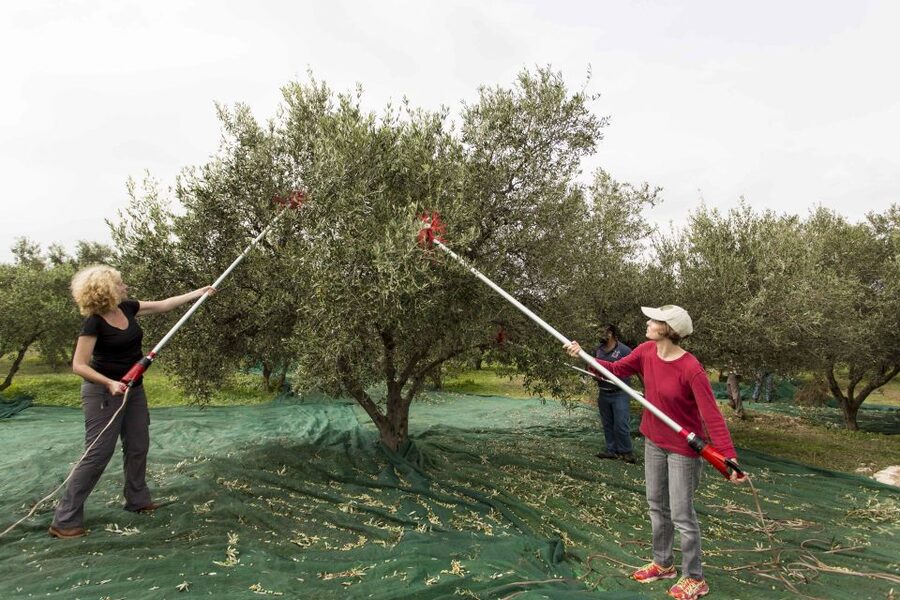
- Walk through a 2,000-year-old olive grove, including an area known as the holy Gethsemane Garden.
- Learn useful kitchen advice about choosing, storing, cooking, and frying with olive oil.
- Meet in a small group of no more than eight people, allowing time for questions and conversation.
- Spend time with Aspassia, an approachable guide who leads the history and tasting in English, French, or Greek.
- Plan for mosquitoes and sun, since the tasting and meal take place outdoors beneath the trees.
Why an olive grove is the right classroom
Many food tastings take place indoors, where the setting could be almost anywhere. Here, the olive trees are part of the lesson. You begin in the grove, surrounded by old trunks and quiet paths, with the Cretan countryside close at hand.
The walk helps place olive oil in its proper setting. In Crete, the olive tree is not merely a crop. It has shaped food, work, customs, trade, and daily life for centuries. The experience connects those broad themes to the trees around you, along with the myths, aromas, and traditions linked to olive oil.
The grove is described as monumental and about 2,000 years old. That age gives the outing a sense of place that a standard tasting room cannot match. You are not just learning to identify flavors. You are learning in the environment where olives have been grown for generations.
The peaceful setting is one of the strongest reasons to book this activity. It feels like a short break from Rethymno’s streets and beach activity. You might see sheep, goats, or even friendly kittens around the grove, adding to the rural character without turning the outing into a formal farm tour.
More olive oil tastings around Crete:
- Crete: Quad Safari, Olive Mill with Tasting & Ghost Village
★ 4.9 · 1,004 reviews - Knossos-Zeus Cave -Old Traditional Villages-Olive Oil Factory
★ 5.0 · 694 reviews - From Chania: Olive Oil, Wine, Cheese & Honey Tasting Tour
★ 4.6 · 490 reviews
Meeting Aspassia at the Valide building
The official meeting point is in front of the Valide Cooking Activities Building. From there, you drive directly to the olive grove. The meeting point is not the grove itself, so allow extra time to find the building, especially if you are walking from central Rethymno or arriving by taxi.
A free parking area opposite the Valide building, by the football stadium, can be used for short-term parking. If you are driving, this makes the meeting arrangement easier, but you should still check the map link before setting out. One useful detail is that a taxi can work if you are staying in Rethymno, although having a car makes the transfer more straightforward.
Aspassia leads the experience. Her style is warm and informal, with plenty of explanation but without the feel of a classroom lecture. She speaks English, French, and Greek. With a maximum of eight people, you should have a reasonable chance to ask about the oils, the trees, or anything you want to clarify.
The activity returns you to the original meeting point at the end. Requested transfers are not included, so arrange your own way to the Valide building and check the meeting instructions carefully.
Walking through Cretan olive culture
The opening part combines a walk with an introduction to olive oil in Crete. You learn about the long connection between olives and Cretan civilization, then hear about harvesting and extraction.
The walk is useful because it gives you a sense of how olive trees fit into the local setting. You hear about the harvest cycle and the work involved before sitting down to taste the finished product. The area around the holy Gethsemane Garden adds a cultural and religious layer to the outing.
Expect this section to focus more on explanation and context than on a full working demonstration. One point to keep in mind is that the experience provides information about extraction, but it does not promise a detailed visit inside an olive mill or a step-by-step demonstration of the machinery used after harvest.
That distinction matters if your main interest is olive oil production. You will leave with a better understanding of harvesting, extraction, and quality, but this is primarily a tasting and food experience, not a technical mill tour.
Learning to taste four olive oils
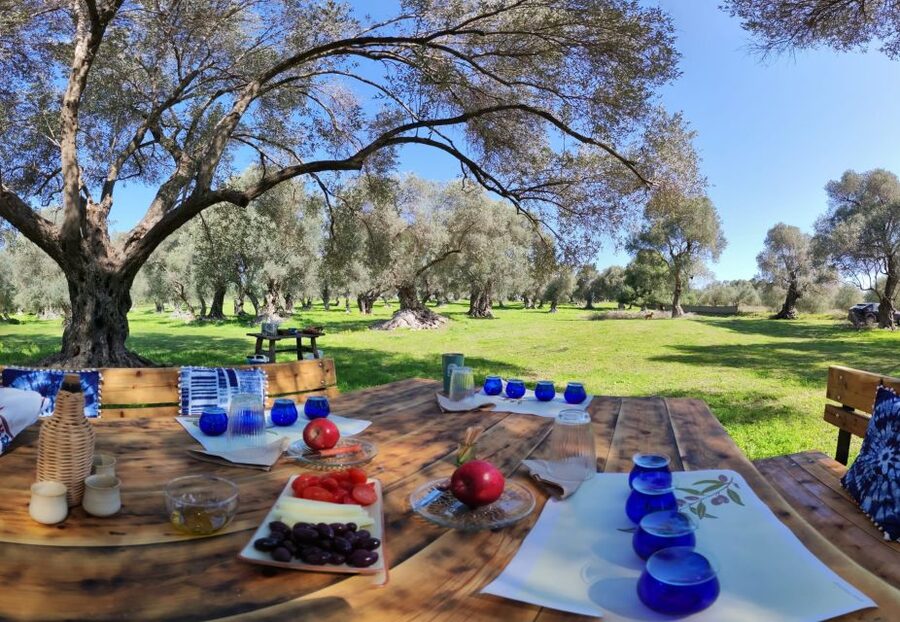
The tasting takes place at a table in the shade. Four different olive oils are sampled, with guidance on how to smell, taste, and compare them.
This is where the experience becomes especially practical. Olive oil can seem simple when poured over bread, but tasting it side by side makes small differences easier to notice. You learn to pay attention to aroma, flavor, and the way an oil behaves with food.
The food pairing is not an afterthought. It is the main tool for showing how oil changes in combination with other flavors. An oil that seems appealing on its own may work poorly with one dish and beautifully with another. That lesson is more useful than memorizing a list of tasting terms because you can apply it when shopping and cooking at home.
You also receive advice on how to choose olive oil. This is valuable in Crete, where shops and markets offer many bottles with different labels, prices, and claims. The session is designed to help you make a more informed choice rather than simply assume that the most expensive bottle is best.
You cover preservation, too. Olive oil quality depends on how it is handled after purchase, so advice about storing it can save you from buying a good oil and then letting it deteriorate in the wrong conditions. The same applies to cooking and frying. You can ask how to use different oils in ordinary kitchen situations instead of treating good olive oil as something reserved only for salads.
Same island, a completely different day out:
- From Kissamos Port: Boat Cruise to Balos Lagoon & Gramvousa
★ 4.2 · 6,755 reviews - Crete: Day Trip to Agios Nikolaos and Spinalonga Island
★ 4.6 · 4,416 reviews - From Chania: Full-Day Samaria Gorge Trek Excursion & Guide
★ 4.6 · 3,191 reviews - Agios Nikolaos: Boat Trip to Spinalonga with Swim Stop
★ 4.4 · 3,031 reviews
Four courses with local Cretan products
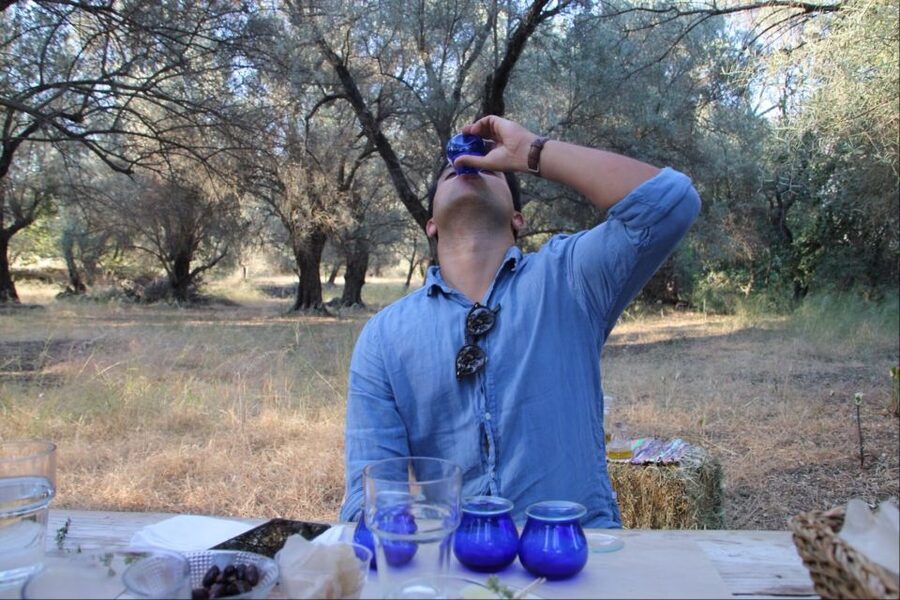
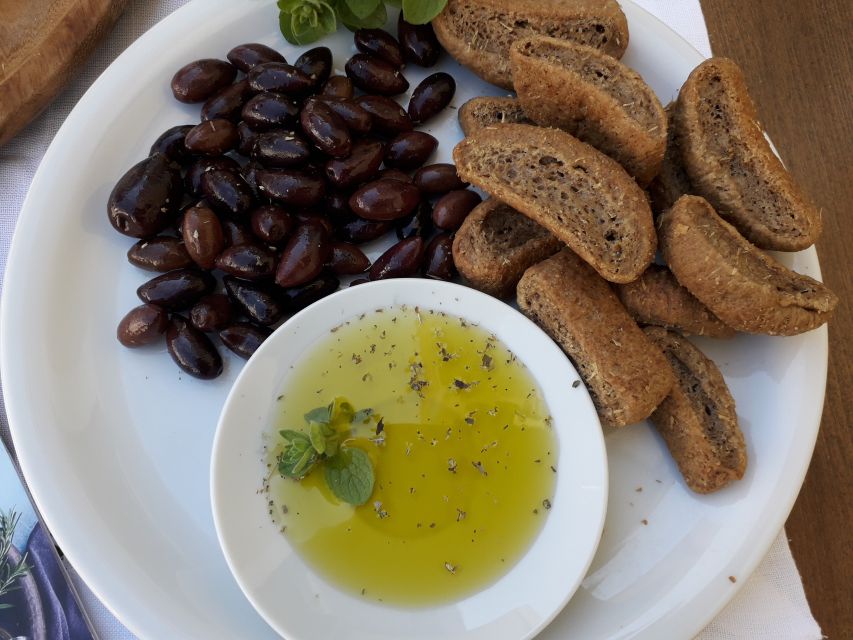
The included meal is a four-course degustation menu paired with different olive oils. Water, soft drinks, and local spirits are also included.
The pairing turns the tasting into a proper meal, but the point is still comparison. Each course gives you a reason to test the oil in a new way. You can focus on how the oil supports, softens, or clashes with the food rather than simply tasting it alone.
The food is based on local products and Cretan recipes. That makes the experience a useful introduction to the island’s food culture, especially if you want more than a restaurant meal. Sitting under the trees, hearing about the ingredients, and matching oils to dishes gives the meal a stronger sense of place.
Vegetarian options have been provided when requested, so mention your needs when booking or arranging the activity. The supplied information does not give a fixed menu, so do not book expecting a precise list of dishes. The menu can vary, and the focus is on pairing local food with the oils.
Local spirits are included, along with nonalcoholic drinks. If you prefer not to drink alcohol, water and soft drinks are available.
What makes the small group worthwhile
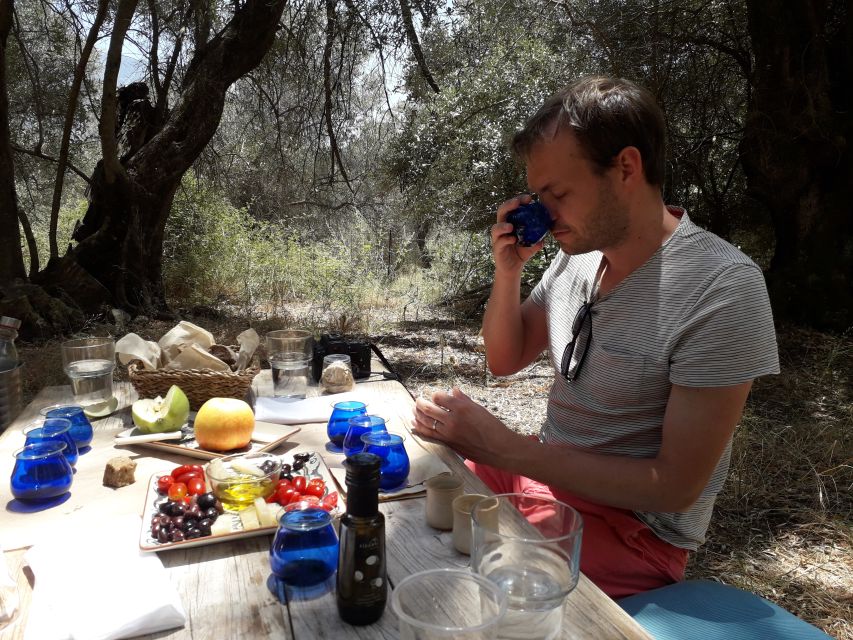
A group limit of eight is a real advantage here. Olive oil tasting works better when you can speak with the guide, compare impressions, and ask follow-up questions without shouting across a large table.
The small size also suits the informal mood. This is not a staged performance with a guide rushing through a script. You spend time in the grove, then sit at the tasting table and work through the oils and food at a measured pace.
The experience is wheelchair accessible, though the activity takes place outdoors in an olive grove. Since exact ground conditions are not specified, anyone who needs particular access arrangements should confirm the details before booking.
The three-hour duration gives enough time for the walk, history, tasting, meal, and questions. It is long enough to feel substantial but short enough to fit into a busy Rethymno schedule. Check the available start times before booking, since the exact timing is not fixed in the basic description.
The practical drawbacks to plan around
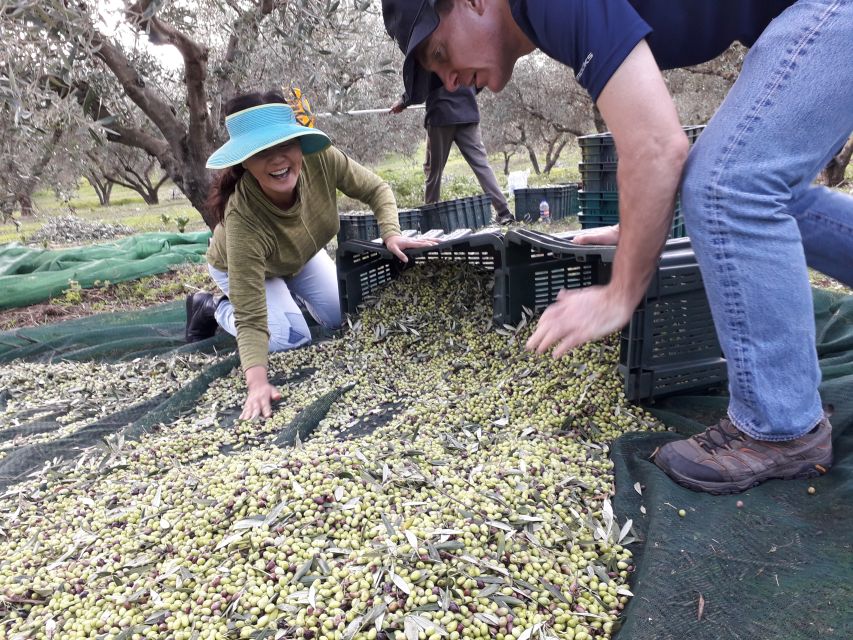
The meeting point deserves attention. The grove is reached after meeting at Valide, and the pickup arrangement is not a hotel transfer. If you are unfamiliar with Rethymno, check the map in advance and give yourself time to find the building.
The activity is outdoors, so dress for the weather. Comfortable shoes will help on the grove paths. A sun hat is sensible, even though the tasting table is under shade, and a jacket can be useful later in the day.
Insect repellent is the most important extra item. Mosquitoes have been a serious nuisance for some people, including during an October visit. The grove, trees, and outdoor meal are part of the appeal, but they also mean you should prepare for insects. A light jacket can offer a little extra cover, too.
The oils may not all come directly from the grove itself. The setting is a family-owned olive grove, but the oils used for tasting are not necessarily produced there. If you want a tasting focused only on oil made from those specific trees, ask about the source before booking.
The activity also offers information about extraction rather than a full production tour. That is no flaw if you want a relaxed food lesson, but it may disappoint you if your priority is machinery, milling, and technical production details.
Is $107 a fair price?
At $107 per person, this is not a cheap snack stop. The price needs to be judged as a three-hour guided activity that includes transport from the meeting point to the grove, four olive oils, a four-course food pairing, water, soft drinks, and local spirits.
I think the value is strongest if you want an experience with food, setting, and instruction all in one. A simple olive oil sampling costs less, but it will not usually include a walk through an ancient grove, a meal designed around the oils, and advice on buying, preserving, cooking, and frying.
The value is less clear if you only want to taste local oil or see how it is made. The oils may not all be from the grove, and there is no promise of a detailed olive mill visit. In that case, you may prefer to spend the money on a farm or mill tour that focuses more heavily on production.
For a couple, family, or small group seeking a quiet half-day activity, the setting and personal guidance help justify the cost. You are paying for time, food, and a guided introduction, not just for four pours of oil.
Who should book this experience?
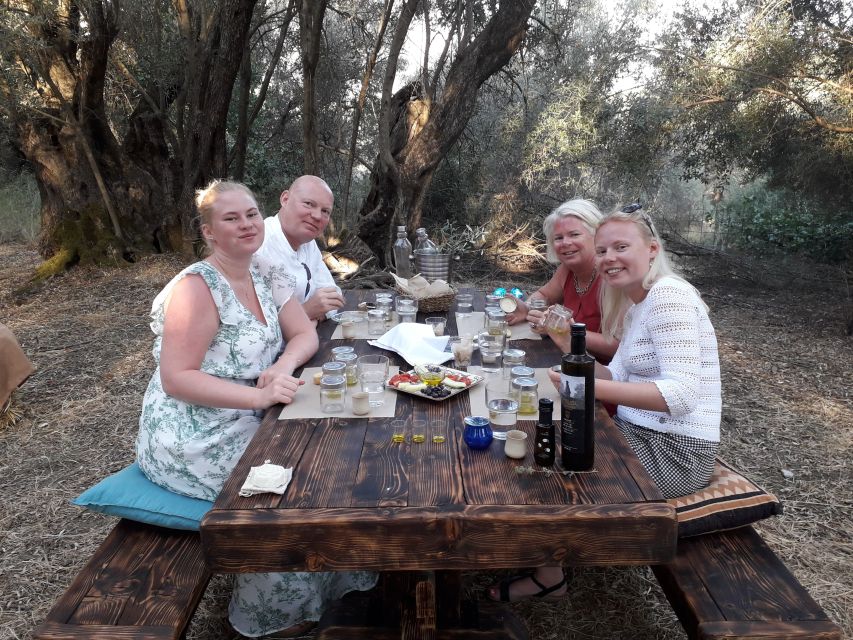
I would recommend it to anyone curious about Cretan food and willing to spend time outdoors. It suits people who enjoy learning how everyday ingredients are produced and used, as well as those who want a calmer alternative to a crowded sightseeing stop.
It is especially good for:
- Food-focused visitors who want to understand local ingredients
- Couples looking for a peaceful afternoon or evening
- Small groups who enjoy conversation and guided tastings
- Home cooks who want practical advice on olive oil
- People staying in or near Rethymno who can reach the Valide meeting point
- Visitors who want a taste of rural Crete without committing to a full-day excursion
It may not suit you if you dislike outdoor meals, have strong mosquito concerns, or want a technical lesson on olive oil machinery. It is also not the best choice if you expect every oil to come directly from the grove where you sit.
Booking details worth knowing
You can cancel up to 24 hours before the activity for a full refund, and the reserve-now, pay-later option keeps your plans flexible. The tour operates in English, French, and Greek.
The group is limited to eight people, and the activity lasts three hours. Requested transfers are not included. Meet at the Valide Cooking Activities Building, opposite the free football stadium parking area, then return to that meeting point after the grove visit.
Bring comfortable shoes, a sun hat, a jacket, and insect repellent. If you require vegetarian food, request it in advance. The experience is wheelchair accessible, but outdoor conditions may still be worth confirming for your particular needs.
Should you book it?
Book this olive oil experience if you want to connect Cretan food with the place that produces it. The ancient grove, relaxed pace, friendly guidance from Aspassia, and thoughtful food pairings make it more memorable than a quick tasting at a shop.
I would choose it for the setting and the practical lessons. You will likely leave knowing more about how to judge, store, and use olive oil, and you may look at the bottles in your own kitchen with a sharper eye.
Skip it if you want an olive mill demonstration, oils exclusively from the grove, or a fully indoor activity. For everyone else, especially food lovers who can handle sun and mosquitoes, $107 buys a personal and useful introduction to one of Crete’s defining traditions.
FAQ
How long does the olive oil tasting last?
The activity lasts three hours. Check availability for the available starting times.
Where does the activity begin?
Meet your guide in front of the Valide Cooking Activities Building. From there, you drive directly to the olive grove and return to the same meeting point afterward.
Is transportation included?
Transport from the meeting point to the olive grove is part of the activity. Requested transfers are not included, so arrange your own way to the Valide building.
How many olive oils will I taste?
You will taste four different olive oils at a tasting table in the shade of the olive trees.
Is food included?
Yes. The activity includes a four-course degustation menu pairing local food with different olive oils. Water, soft drinks, and local spirits are also included.
What languages are available?
The live guide is available in English, French, and Greek.
Can I cancel the booking?
You can cancel up to 24 hours in advance for a full refund. The reserve-now, pay-later option allows you to book without paying immediately.
Just added around Crete
- Crete: Knossos Palace & Heraklion City Tour★ 3.5 · 3 reviews
- Knossos palace (Last minute booking – Skip The Line Ticket)★ 4.5 · 3 reviews
- Cooking Class & Greek Night Experience★ 5.0 · 3 reviews
- Full-Day Tour:Lasithi Plateau -Mythology Park&Knossos Palace★ 3.0 · 3 reviews
- Chania: Private Guided Food and Wine Walking Tour with Lunch★ 5.0 · 3 reviews
- Knossos: Knossos Private Guided Tour★ 5.0 · 3 reviews
- Individual travel accompaniment East Crete★ 5.0 · 3 reviews
- Chania: Knossos Palace – Archaeological museum!★ 3.4 · 3 reviews
Olive Oil Tours & Tastings, compared.

Zeus Cave -Old Traditional Villages-Olive Oil Factory
Read our review →

Olive Farm Tour with Tasting of Local Delicacies
Read our review →
Zeus Cave, Lassithi Plateau, Olive Oil Factory, Kritza, Pottery
Read our review →

Knossos, Lasithi, Lasinthos and Olive Farm Combo Tour
Read our review →Browse the lists this tour appears in