
Reviewed · OLIVE OIL TOURS & TASTINGS
Small-Group Honey & Extra Virgin Olive Oil Tasting Tour in Crete
A table crowded with eight kinds of honey, local cheese, bread, tomatoes, olives, and yogurt is the tasty payoff at Idiosmos. Before you sample, you learn how the family extracts cold-pressed extra virgin olive oil and how beekeeping works in Greece, with the story reaching back to 1920.
I like the small group of no more than 10, which gives the visit a personal feel, and I like the one-hour length. It fits neatly between other plans, while the countryside drive and family-run setting add a real sense of place. The one caution is that the tasting may feel less guided if a larger group arrives at the same time.
In This Review
- Key points at a glance
- Why this short Crete food tour is worth your time
- Arriving at Idiosmos in Pervolakia
- The family story from 1920 to today
- Understanding Greek beekeeping and the honey varieties
- The tasting table is more than a spoonful of honey
- How the small group changes the experience
- Product quality, shopping, and bringing Crete home
- Is $18.10 good value for one hour?
- Weather, access, and cancellation details
- Who should book the Idiosmos tasting?
- Should you book it?
- FAQ
- How long does the honey and olive oil tour last?
- Where does the experience start and finish?
- How many people can join the tour?
- What will I taste?
- Is the tour offered in English?
- Can I cancel for a refund?
Key points at a glance
- Eight honey varieties: Compare different flavors instead of tasting just one general-purpose honey.
- Family production since 1920: Hear how the owners’ olive and honey work has continued through generations.
- A working setting: See the core olive oil process on site and learn about beehives and Greek beekeeping.
- A generous tasting table: Try honey and olive oil with bread, cheese, tomatoes, olives, and yogurt.
- Small and short: The tour lasts about an hour and accepts a maximum of 10 people.
- Good value at $18.10: The price includes the talk and tasting, with products available to buy afterward.
Why this short Crete food tour is worth your time
Cretan food is often reduced to a few familiar names: olive oil, honey, cheese, and herbs. This visit gives those foods a human scale. You are not simply handed a tasting tray. You first hear how the family makes its products, then use that information as you taste them.
The setting is Idiosmos Extra Virgin Olive Oil and Honey Tour and Taste in Pervolakia, at postal code 734 00. It is a boutique, family-run producer rather than a large commercial attraction. That matters because the focus stays on the owners’ own olive trees, their own production, and the traditions they have followed since 1920.
The tour is offered in English. Hosts named in accounts of the experience include Mariana, Marianna, and Nancy. Mariana is especially noted for a lively, warm presentation with plenty of humor. The English is not presented as a formal lecture. It is conversational, with time for questions and simple explanations of the work.
You should allow about one hour for the scheduled visit itself. Some tastings may stretch beyond that if you linger over the food or shop afterward, but the stated tour duration is short. That makes this a useful choice for a morning or afternoon gap, not a full-day outing.
More olive oil tastings around Crete:
- Crete: Quad Safari, Olive Mill with Tasting & Ghost Village
★ 4.9 · 1,004 reviews - Knossos-Zeus Cave -Old Traditional Villages-Olive Oil Factory
★ 5.0 · 694 reviews - From Chania: Olive Oil, Wine, Cheese & Honey Tasting Tour
★ 4.6 · 490 reviews
Arriving at Idiosmos in Pervolakia
The meeting point is the Idiosmos olive oil and honey facility in Pervolakia, and the activity ends at the same spot. The approach is part of the appeal. Several visitors describe the drive through the Cretan countryside as especially scenic, with one person arranging a taxi from the port and finding the ride close to an hour.
That detail is important for planning. The tour does not list included transportation, so you need to arrange your own way to Pervolakia. If you are coming from a port or another coastal base, check the travel time before booking a tight connection. The experience is inexpensive, but a long taxi ride can change the total cost considerably.
Once there, expect a rural setting with olive trees and open views rather than a polished city tasting room. You will want sensible shoes and a little patience for the drive. The location gives the food a stronger connection to the land, though it is less convenient than a tasting held in a central resort.
The family story from 1920 to today
The visit begins with the people behind the products. You hear the family story, which traces its work from 1920 to the present. This is not just background decoration. It helps explain why the olive oil and honey are treated as household traditions rather than anonymous goods.
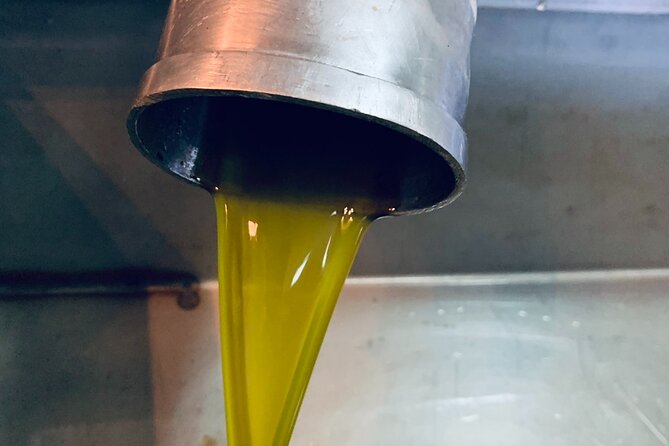
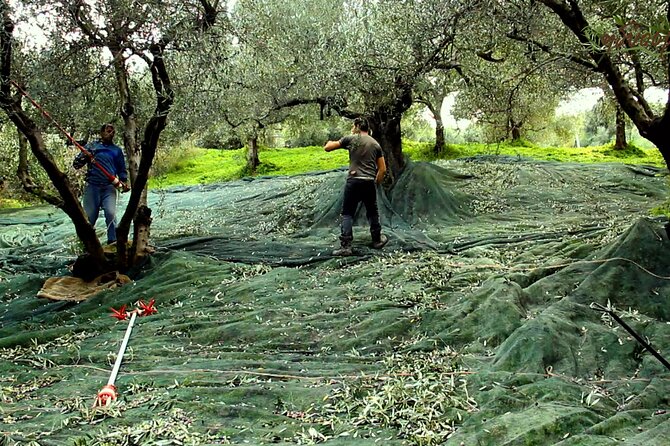
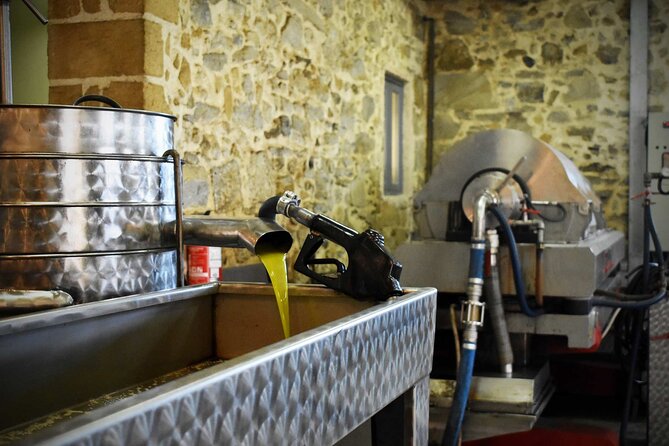
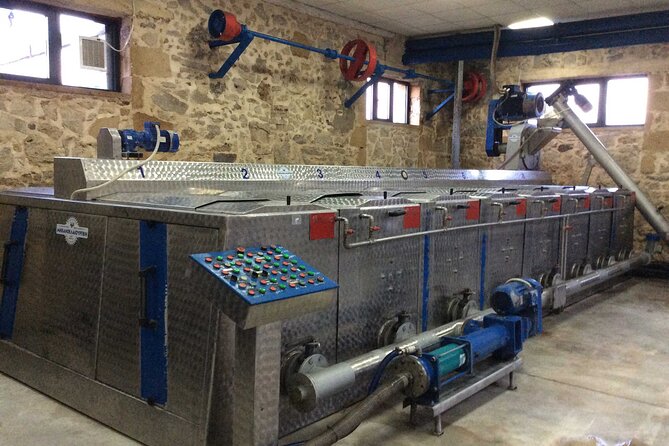
The presentation covers olive growing, harvesting, and processing, along with the family’s approach to extraction. The product is extra virgin olive oil, cold pressed and made from the family’s own olive trees. You learn the basic path from fruit to finished oil, including the core production process on site.
There is also a film about the work outside the facility. This gives you a look at the seasonal and outdoor side of production, while the on-site portion shows how the process continues after the olives leave the trees. The exact amount of machinery you see can vary, but the experience is designed to show the central steps rather than simply talk about a bottle on a shelf.
The strongest part of this section is the chance to ask questions. The hosts explain the work in an easy, humorous way, and the small group gives you a better chance to stop and ask about olive oil, bees, or the products in front of you. If you already know a great deal about olive cultivation, the introduction may feel basic. For most food-focused visitors, it offers useful context without becoming a long technical class.
Understanding Greek beekeeping and the honey varieties
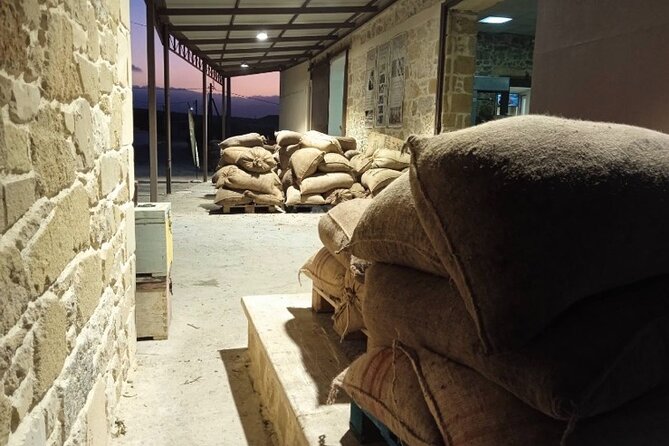
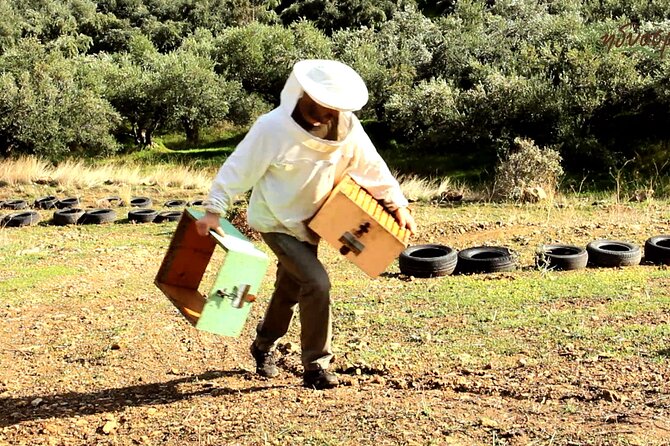
The beekeeping section explains the bee hives and the honey-making process in Greece. You are introduced to the work involved in caring for bees and producing honey, rather than simply being told that the region has good honey.
The tasting is where the lesson becomes practical. You sample eight different types of honey and compare their flavors. The supplied information does not identify each variety or promise a fixed list, so you should not expect a printed breakdown of every source. Still, tasting eight styles side by side gives you a much better sense of how honey can differ in color, aroma, sweetness, and finish.
The experience uses all your senses in a straightforward way. You listen to the family story, see the production process and outdoor film, touch products during hands-on moments, smell the scents associated with olive groves and Cretan herbs, and taste the final products. The sensory approach is not a gimmick. It helps connect a jar of honey or bottle of oil with the trees, plants, and seasonal labor behind it.
If you are visiting with children, the subject has clear appeal. Families with children aged 12 and 13 have enjoyed the small setting and the chance to learn from an actual beekeeper. Younger children may find the talking portions less gripping, but the hands-on elements and food table can help hold their attention.
More food tours in Crete:
- Crete: Sunset or Morning Quad with Local Products Tasting
★ 4.9 · 1,135 reviews - Heraklion: Olive Farm Tour with Tasting of Local Delicacies
★ 4.9 · 411 reviews - Chania: Old Town Highlights Guided Tour with Street Food
★ 4.9 · 407 reviews - Walking “Food tasting tour” in the town of Chania
★ 5.0 · 297 reviews
The tasting table is more than a spoonful of honey
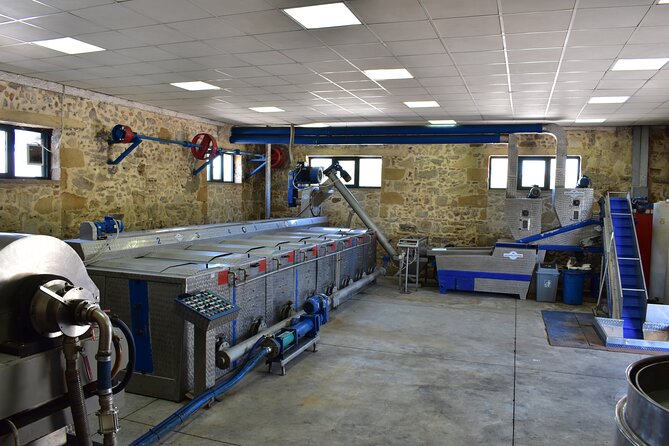
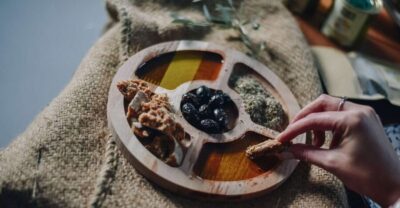
The tasting begins with honey and extra virgin olive oil, but it develops into a generous local-food spread. You may try the honey with bread, cheese, tomatoes, olives, and yogurt. Some tastings have also included cheese from a local maker and bread from a local bakery.
This pairing is one of the best reasons to book the experience. Honey tastes different on its own than it does with yogurt or cheese. Olive oil becomes easier to judge with bread and tomatoes. You can test how each product behaves with other foods instead of treating the tasting as a series of tiny samples.
The amount of food can function as a substantial snack or even a small meal, depending on your appetite and what is served that day. The official sample menu lists honey tasting and extra virgin olive oil tasting, while individual accounts describe the accompanying foods. Because the exact spread may vary, arrive expecting a tasting rather than a guaranteed full lunch.
The hosts usually explain the products and suggest pairings. One account describes the tasting as carefully explained, followed by time to sample at an easy pace. There is one practical reservation: when a larger group arrived, a smaller party was left at the table without much explanation. That appears to be an occasional service issue, not the main pattern, but it is worth knowing. If guided tasting notes matter to you, ask questions as the food is served rather than waiting quietly.
How the small group changes the experience
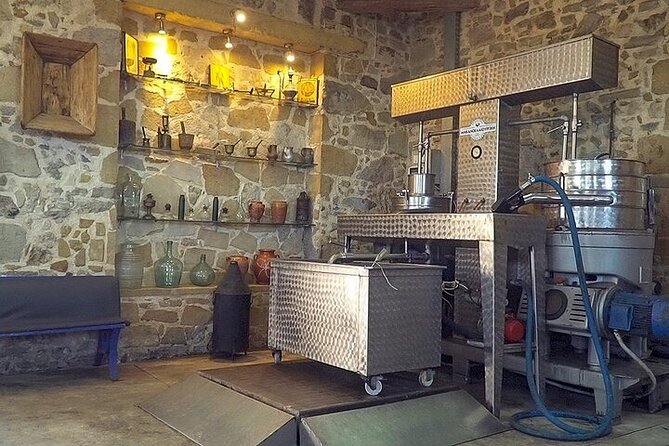
The maximum group size is 10 people. That is small enough to keep the visit personal, especially when the host is leading the production talk and answering questions.
I like this format for a food experience because it avoids the feeling of moving through a factory behind a large crowd. You can hear the explanation, examine the products, and speak directly with the host. The family connection also comes through more clearly in a small setting.
The tradeoff is that a small producer may have a less predictable rhythm than a large attraction. A host may need to divide attention if another party arrives, and the exact order of the talk and tasting may shift. You get authenticity in exchange for a little less polish. For me, that is a fair bargain at this price, but visitors who want a tightly scripted demonstration should set their expectations accordingly.
Product quality, shopping, and bringing Crete home
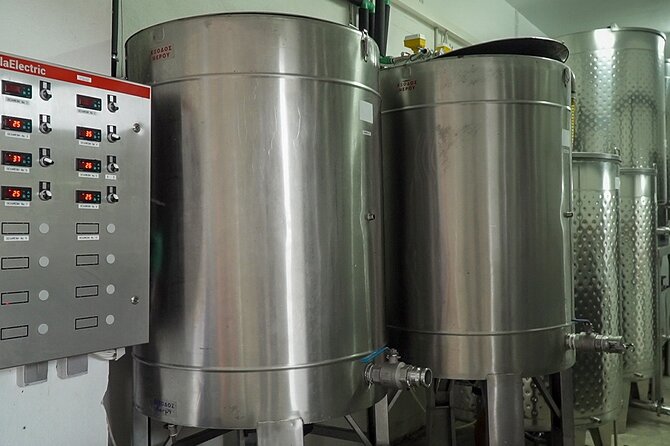
After the tasting, you can buy the products you have sampled. The selection includes cold-pressed extra virgin olive oil made from the owners’ olive trees and different honey varieties. The facility also functions as a shop, with items suitable for gifts or for recreating the tasting at home.
The shopping is optional. You are not required to buy anything, and the experience is not built around a hard sales pitch. That makes it easier to decide based on taste. If you find an oil or honey you like, the tasting gives you a useful reference before you spend money.
Several products are described as reasonably priced, but prices beyond the $18.10 tour fee are not provided, so check current labels on site. Remember that liquids can be awkward to carry, especially if you are flying. The tour makes a good stop for food gifts, but pack purchases carefully and confirm your airline or luggage rules.
Is $18.10 good value for one hour?
At $18.10 per person, the price is low for a hosted food visit that includes instruction and a broad tasting. You are paying for more than a spoonful of honey. The fee covers the family story, the olive oil production explanation, Greek beekeeping information, the on-site and film elements, and samples of eight honeys plus olive oil.
The value is strongest if you enjoy local food and want an introduction without committing half a day. The tasting table can also serve as a useful afternoon snack, which adds practical value if you are sightseeing nearby.
The price does not include transportation to Pervolakia, and that may be the main extra expense. If you need a long taxi journey from a port, compare the full cost with other food activities closer to your base. For a self-driving visitor already exploring the area, the calculation looks much better.
The tour is often booked around 18 days ahead, so popular dates may fill before your trip. Confirmation is provided at booking, and the mobile ticket makes it easy to carry the details on your phone.
Weather, access, and cancellation details
The experience requires good weather. If poor conditions force a cancellation, you are offered another date or a full refund. It also requires a minimum number of participants, so a cancellation for that reason brings the same choice of a different date or a full refund.
Most people can take part, and service animals are allowed. The supplied information does not describe detailed wheelchair access, transport arrangements, or facilities for particular mobility needs, so contact the provider before booking if you need those details.
You can cancel for a full refund up to 24 hours before the local start time. Cancellations or changes made less than 24 hours before the start are not refunded or accepted. Keep an eye on the local time in Crete when changing plans.
Who should book the Idiosmos tasting?
I would choose this for food lovers, families with older children, couples, and anyone curious about how everyday Cretan staples are made. It also suits a busy itinerary because the core visit lasts about an hour.
You will get the most from it if you enjoy asking questions and comparing flavors. The tour is less suitable if you dislike rural drives, need included transportation, or want a long farm visit with extensive time among the hives and olive trees. The experience teaches you about those subjects, but the supplied details do not promise a full hive inspection or a long olive harvest walk.
If you are sensitive to group changes, stay engaged during the tasting and ask the host to explain each item. That small step can prevent the one service problem noted in the experience record.
Should you book it?
Yes, if you want a compact, good-value taste of Cretan food production. The combination of a family story dating to 1920, hands-on olive oil and beekeeping information, eight honeys, and a generous local-food tasting makes the hour feel purposeful.
Book it when you can manage the trip to Pervolakia, and leave room for a little extra time if you plan to shop. I would not make it your only food experience in Crete, but as a short stop with real family involvement and a strong tasting table, it is an easy recommendation.
FAQ
How long does the honey and olive oil tour last?
The tour lasts approximately one hour.
Where does the experience start and finish?
It starts at Idiosmos Extra Virgin Olive Oil and Honey Tour and Taste in Pervolakia, Crete, postal code 734 00. It ends back at the same meeting point.
How many people can join the tour?
The activity has a maximum of 10 travelers.
What will I taste?
You will taste eight different types of honey and extra virgin olive oil. The tasting may also include bread, cheese, tomatoes, olives, and yogurt.
Is the tour offered in English?
Yes. The tour is offered in English.
Can I cancel for a refund?
Yes. You can cancel at least 24 hours before the experience start time for a full refund. Cancellations or changes made less than 24 hours before the start are not accepted or refunded.
Just added around Crete
- Crete: Knossos Palace & Heraklion City Tour★ 3.5 · 3 reviews
- Knossos palace (Last minute booking – Skip The Line Ticket)★ 4.5 · 3 reviews
- Cooking Class & Greek Night Experience★ 5.0 · 3 reviews
- Full-Day Tour:Lasithi Plateau -Mythology Park&Knossos Palace★ 3.0 · 3 reviews
- Chania: Private Guided Food and Wine Walking Tour with Lunch★ 5.0 · 3 reviews
- Knossos: Knossos Private Guided Tour★ 5.0 · 3 reviews
- Individual travel accompaniment East Crete★ 5.0 · 3 reviews
- Chania: Knossos Palace – Archaeological museum!★ 3.4 · 3 reviews
Olive Oil Tours & Tastings, compared.
Zeus Cave -Old Traditional Villages-Olive Oil Factory
Read our review →
Olive Farm Tour with Tasting of Local Delicacies
Read our review →
Zeus Cave, Lassithi Plateau, Olive Oil Factory, Kritza, Pottery
Read our review →
Knossos, Lasithi, Lasinthos and Olive Farm Combo Tour
Read our review →Browse the lists this tour appears in