
Reviewed · CRETAN COOKING CLASSES
Cooking class at the Shepherd’s Shelter in Rethymno
The best part of this experience is that you cook where the food begins. At The Shepherds Shelter on Mount Psilor(e)iths, near Milopotamos, you learn to turn sheep’s milk into cheese, gather vegetables and herbs, and prepare a Cretan meal in a working farm setting.
I like the hands-on cheese making, and I like the chance to meet the farm animals while learning about shepherd life from Yiorgos Kokkinos and his family. The main thing to weigh is the price, $131.06 per person, plus the fact that this is a five-hour mountain outing rather than a quick cooking lesson.
In This Review
- Key points to know before booking
- A five-hour taste of rural Crete
- Starting with the farm and its animals
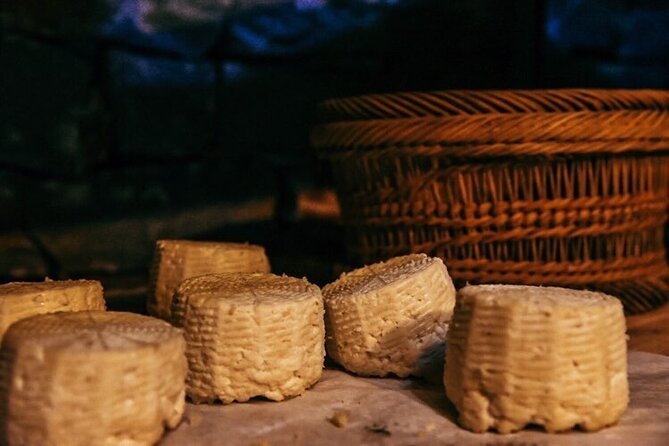
- Making cheese from sheep’s milk
- Picking vegetables, herbs, and the meal
- Understanding Cretan food beyond the recipe
- Wine, raki, and a large shared meal
- What the small group size means
- Who will enjoy this most
- Booking, timing, and cancellation details
- Should you book The Shepherds Shelter cooking class?
- FAQ
- Where does the cooking class take place?
- What time does the activity start?
- How long does the experience last?
- Where does the activity finish?
- What language is the class offered in?
- How many people can join the class?
- How much does the class cost?
- What food and drink activities are included?
- Can I cancel for a full refund?
Key points to know before booking
- Sheep’s-milk cheese making: You learn a traditional farm skill rather than only following a recipe.
- Farm-to-table cooking: Fresh organic vegetables and local herbs form part of the meal you prepare.
- A working shepherd’s setting: The farm tour includes an introduction to the animals and daily rural life.
- Local drinks included: You taste Cretan wine and raki alongside the food.
- Small group format: The class accepts a maximum of 12 people and is offered in English.
- Flexible scheduling: Classes run on weekends, with additional days available on request.
A five-hour taste of rural Crete
This class gives you a side of Crete that many beach-based holidays miss. Instead of moving from one restaurant to another, you spend time at a farm in the Psilor(e)iths mountains and see how food connects with animals, soil, family work, and local customs.
The setting matters. A cooking class in a city kitchen can teach you useful techniques, but here the meal begins with the farm itself. You may pick vegetables and herbs before using them, then learn how sheep’s milk becomes cheese. That chain from animal to table gives the meal a clear sense of place.
The day starts at 11:00 a.m. at The Shepherds Shelter, on an unnamed road in Milopotamos, Crete. The activity ends at the same meeting point. Since no transportation service is listed, you should plan your route to the shelter yourself and confirm the exact directions before setting out.
Five hours is enough time for the farm walk, cooking work, food discussions, and the shared meal without forcing every part into a rushed schedule. It also means you should treat this as a substantial half-day outing. If you want only a short lesson followed by a quick tasting, this may ask more of your schedule than you need.
More cooking classes in Crete:
- Chania: Authentic Cooking Class in the White Mountains
★ 4.9 · 529 reviews - The Real Cretan Cooking Experience
★ 5.0 · 528 reviews - Chania Cooking Class-The Authentic Enjoy traditional Cretan meal
★ 5.0 · 339 reviews
Starting with the farm and its animals
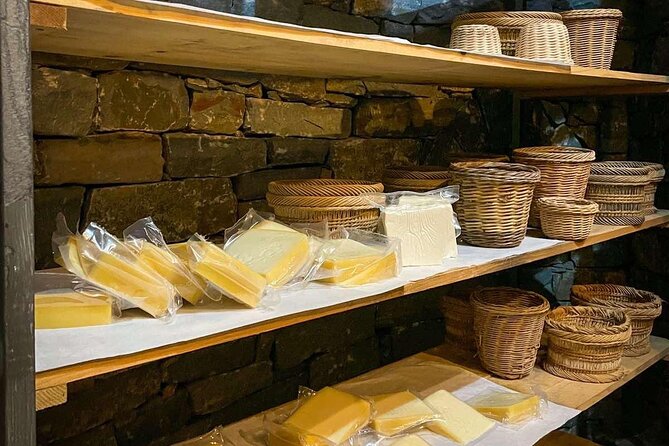
The farm tour is an important part of the experience, not just something added to fill time. You are introduced to the animals and shown the setting where shepherd life takes place. That makes the cheese lesson easier to understand because you see the rural work behind the ingredient.
The class also gives you a chance to hear about life as a shepherd in Crete. The available details do not promise a long formal talk or a staged demonstration, so you should expect a practical introduction rather than a museum-style presentation. That is a strength if you want direct contact with local food traditions.
I especially like this part for anyone who has already seen Crete’s main towns and archaeological sites. The farm offers a different kind of cultural context. You are not just learning that cheese is important in Cretan food. You are seeing how livestock, farming, and cooking fit together in daily life.
The mountain setting may also make the outing feel removed from the coast and resort areas. At the same time, the location is rural, and the meeting point is not described as a central Rethymno pickup point. Make sure the location works for your plans before paying.
Making cheese from sheep’s milk
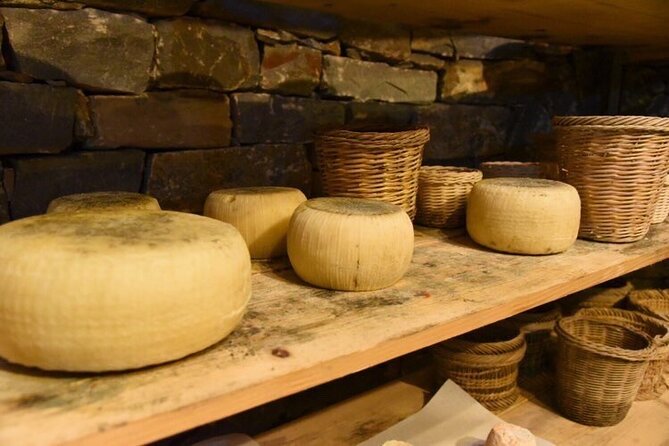
The central lesson is cheese making with sheep’s milk. This is the most distinctive skill on the schedule, and it gives the class a stronger local identity than a general lesson in Greek dishes.
You will learn how the milk is handled and turned into cheese under guidance from the host team. The supplied details do not name the specific cheese or provide a step-by-step recipe, so you should not book this expecting a particular named cheese unless the provider confirms it in advance.
That uncertainty is not a problem for most people. The value lies in learning a food practice tied to the farm and to Cretan shepherd culture. You get a useful sense of how a basic local product is made, rather than simply buying a finished item for a tasting.
This is also a good feature for families and small groups. Cheese making gives the class a clear activity to share, and it is different enough from ordinary chopping and stirring to hold your attention. Children can take part only if the adults in the group feel the farm setting and class format suit them, since no specific age policy is provided.
Picking vegetables, herbs, and the meal
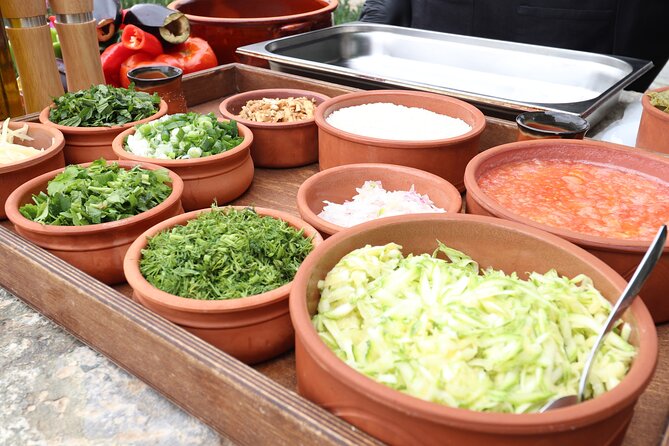
The cooking portion uses fresh organic vegetables supplied by local farms. The experience also includes picking vegetables and herbs, so you are connected to the ingredients before the cooking starts.
The exact menu is not listed. That means you should think of this as a lesson in Cretan cooking rather than a way to learn one guaranteed dish. The menu may reflect what is available and appropriate for the class, which fits the farm-to-table idea but gives you less certainty if you have a particular recipe in mind.
The food itself is meant to be prepared from scratch. I like that because it gives you more than a demonstration to watch. You take part in the work, then sit down to eat the results. A cooking class is most useful when you leave understanding how the dishes come together, and this format appears designed around that simple connection.
Portions may also be generous. The meal has been described as coming in large quantities, so you should not expect a tiny sample plate. That is good value if you arrive hungry, but less appealing if you prefer a light lunch or have dietary limits. No dietary menu or allergy policy is provided, so contact the provider before booking if food restrictions matter to you.
Same island, a completely different day out:
- From Kissamos Port: Boat Cruise to Balos Lagoon & Gramvousa
★ 4.2 · 6,755 reviews - Crete: Day Trip to Agios Nikolaos and Spinalonga Island
★ 4.6 · 4,416 reviews - From Chania: Full-Day Samaria Gorge Trek Excursion & Guide
★ 4.6 · 3,191 reviews - Agios Nikolaos: Boat Trip to Spinalonga with Swim Stop
★ 4.4 · 3,031 reviews
Understanding Cretan food beyond the recipe
The class includes discussion of the nutritional value of Cretan products. That adds useful context without turning the day into a lecture. You can learn not only how the food is made, but also why vegetables, herbs, dairy, and other local ingredients matter in the regional diet.
Cretan cooking is often associated with straightforward ingredients and careful use of what is available. This class lets you consider that approach in the place where the ingredients are produced. You may come away with more than a list of dishes. You may also understand why fresh produce and local dairy play such a central role in Cretan meals.
The information is practical rather than academic. You are there to cook, taste, and explore the farm, so the nutrition discussion should fit naturally into the day. If you want a formal food history course, this is not presented as that. If you want a useful explanation while working with local ingredients, it fits well.
Wine, raki, and a large shared meal
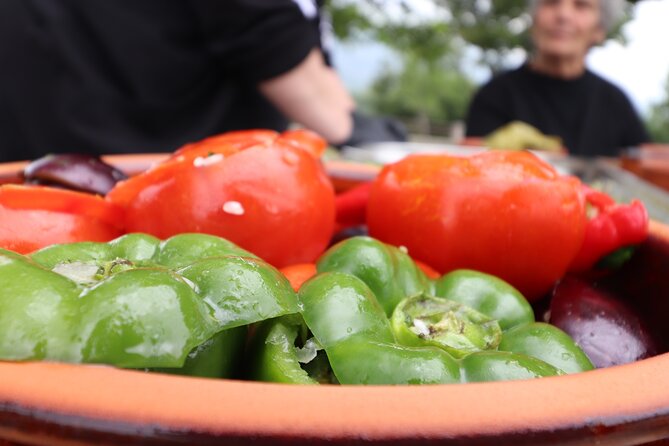
Local wine and raki are included in the tasting. Wine fits naturally with the meal, while raki gives you a familiar Cretan finish and a chance to try one of the island’s best-known drinks.
Because raki is alcoholic, keep that in mind when planning your return journey. The tour begins at 11:00 a.m. and lasts about five hours, so the tasting takes place during the day, not late at night. Still, you should decide in advance how you will get back to your accommodation, especially since transportation is not listed.
The shared meal is one of the strongest reasons to choose this class over a standard recipe lesson. You are not just preparing food for practice. You get to taste a substantial Cretan meal in the same family-run setting where the cooking takes place.
I would not choose this outing if your main goal is a polished restaurant service or a tightly timed food tour. The appeal is the farm setting, the family welcome, the work with your hands, and the hearty result. Expect a relaxed rural meal rather than a formal dining experience.
What the small group size means
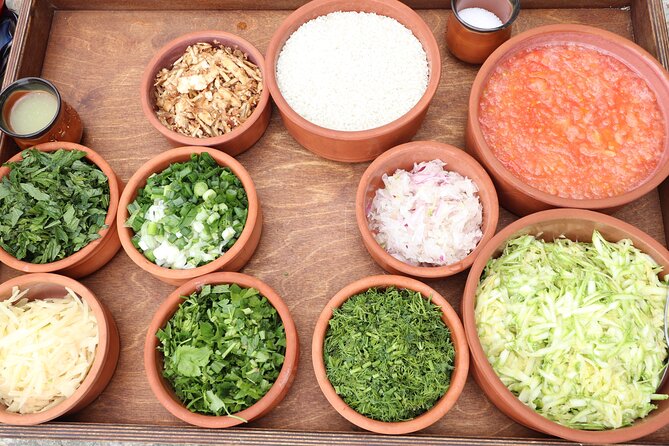
The maximum group size is 12 people. That is large enough to create a social atmosphere but small enough for the host team to guide people through a practical activity.
Small-group cooking matters because cheese making and food preparation work better when you can see what is happening and ask questions. It also gives you more room to take part instead of standing at the edge of a crowded demonstration.
The class is offered in English, which makes the instructions and discussions accessible to English-speaking customers. Group discounts are available, and the price changes with the number of people. If you are booking for a family or a group of friends, ask for the current total rather than assuming the listed per-person figure will be the final rate.
At $131.06 per person, this is not a budget meal or a basic one-hour class. The price covers roughly five hours of activities, the guided farm visit, cheese making, cooking, food, and tastings of wine and raki. For me, the value depends on how much you care about local contact and participation.
If you count only the meal, the cost looks high. If you value a half-day farm visit, a traditional food lesson, a family-hosted setting, and a full meal, the figure becomes easier to justify. Group pricing may improve the value for couples, families, or friends traveling together.
Who will enjoy this most
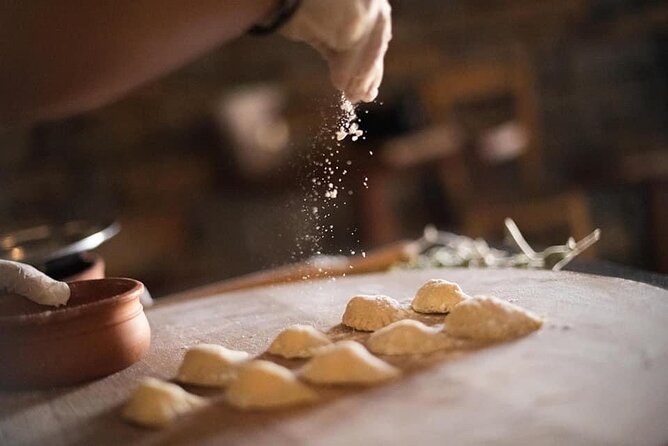
I would point this class toward people who want to connect food with daily life. It suits you if you enjoy rural settings, hands-on activities, generous meals, and learning directly from a local host family.
It is also a good choice for repeat visitors to Crete who have already seen the main sights around Rethymno. The farm introduces a quieter part of the island and adds context that a standard restaurant meal cannot provide.
Families and friend groups should find the mix of animals, cooking, cheese making, and tasting easy to share. The 12-person limit also keeps the event from becoming a large coach-style activity.
You may want to skip it if you dislike farm environments, need a fixed menu, want hotel pickup, or prefer a quick cooking demonstration. The exact dishes are not stated, transportation is not included in the listed details, and the class takes about five hours.
Service animals are allowed. No other accessibility information is provided, so contact The Shepherds Shelter if you need details about movement around the farm, the cooking area, or the route from the meeting point.
Booking, timing, and cancellation details
The class is offered every weekend, with other dates possible upon request. It is often reserved well ahead of time, with bookings averaging 42 days in advance. That is a useful warning for anyone visiting Crete during a busy season.
You receive confirmation at booking unless you reserve within 11 hours of departure. In that case, confirmation comes as soon as possible and depends on availability. The activity accepts mobile tickets.
The cancellation policy is forgiving if your plans change early. You can cancel for a full refund up to 24 hours before the 11:00 a.m. start time. Cancellations or changes made less than 24 hours before the start are not accepted for a refund, and all cut-off times use local time in Crete.
Should you book The Shepherds Shelter cooking class?
Book it if you want a working farm experience with food at its center, not just a recipe lesson. The combination of sheep’s-milk cheese making, farm animals, local produce, Cretan wine, raki, and a large shared meal gives the outing real substance.
The price is fair for a five-hour activity with food and tastings, but it is not the right pick for a quick or inexpensive meal. Confirm the meeting-point directions, ask about the menu if you have dietary needs, and check group pricing before you go.
For an authentic rural taste of Crete near Rethymno, I would choose this class over a standard tourist cooking demonstration. Its best quality is the direct link between shepherd life, farm ingredients, and the meal you prepare yourself.
FAQ
Where does the cooking class take place?
The class takes place at The Shepherds Shelter on an unnamed road in Milopotamos, Crete, in the Psilor(e)iths mountain area.
What time does the activity start?
The cooking class starts at 11:00 a.m.
How long does the experience last?
The activity lasts approximately five hours.
Where does the activity finish?
The experience ends back at The Shepherds Shelter, the same place where it begins.
What language is the class offered in?
The class is offered in English.
How many people can join the class?
The activity has a maximum group size of 12 people.
How much does the class cost?
The listed price is $131.06 per person. The price varies with the number of people, and group discounts are available.
What food and drink activities are included?
You learn to make cheese from sheep’s milk, prepare a Cretan meal, use fresh organic vegetables, and taste local wine and raki.
Can I cancel for a full refund?
Yes. You can cancel at least 24 hours before the local start time for a full refund. Cancellations or changes made less than 24 hours before the experience are not accepted for a refund.
Just added around Crete
- Crete: Knossos Palace & Heraklion City Tour★ 3.5 · 3 reviews
- Knossos palace (Last minute booking – Skip The Line Ticket)★ 4.5 · 3 reviews
- Cooking Class & Greek Night Experience★ 5.0 · 3 reviews
- Full-Day Tour:Lasithi Plateau -Mythology Park&Knossos Palace★ 3.0 · 3 reviews
- Chania: Private Guided Food and Wine Walking Tour with Lunch★ 5.0 · 3 reviews
- Knossos: Knossos Private Guided Tour★ 5.0 · 3 reviews
- Individual travel accompaniment East Crete★ 5.0 · 3 reviews
- Chania: Knossos Palace – Archaeological museum!★ 3.4 · 3 reviews
Cretan Cooking Classes, compared.
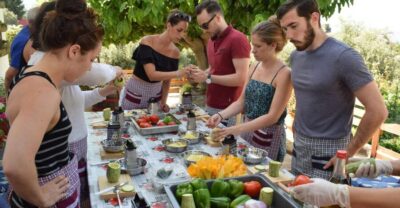
Authentic Cooking Class in the White Mountains
Read our review →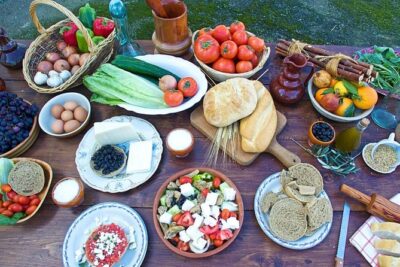
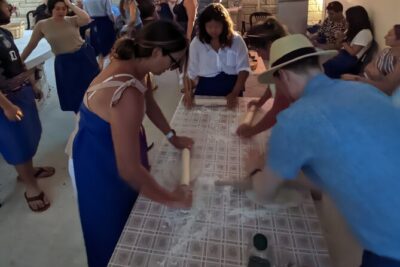
Chania Cooking Class-The Authentic Enjoy traditional Cretan meal
Read our review →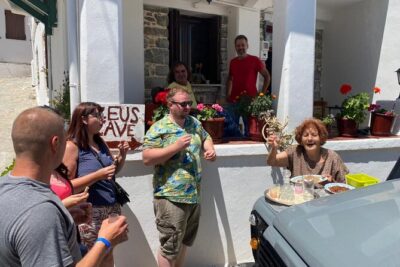
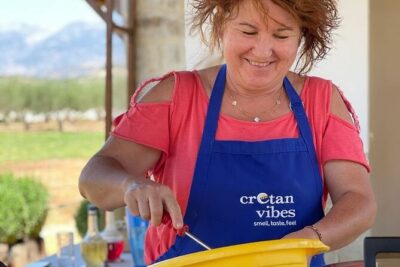
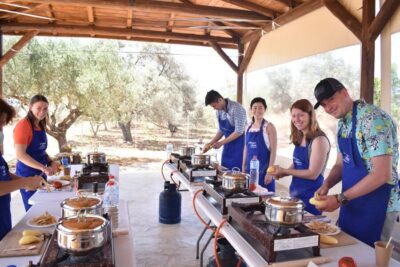
Moires: Cooking Class and Olive Oil Tasting at a Family Farm
Read our review →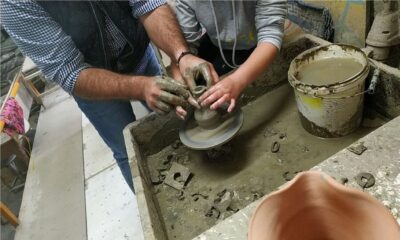
Sightseeing Day Trip with Cooking Lesson and Lunch
Read our review →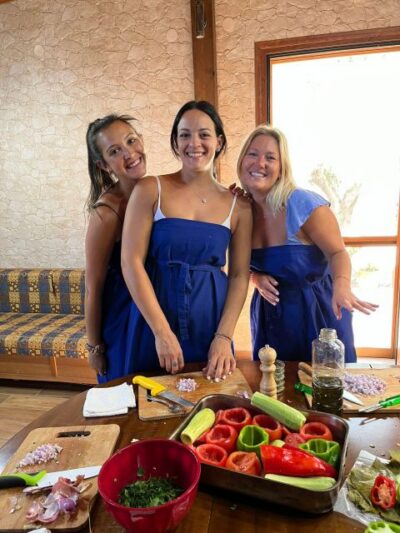
Browse the lists this tour appears in