
Reviewed · CRETAN COOKING CLASSES
Cretan Traditional Cooking Lessons
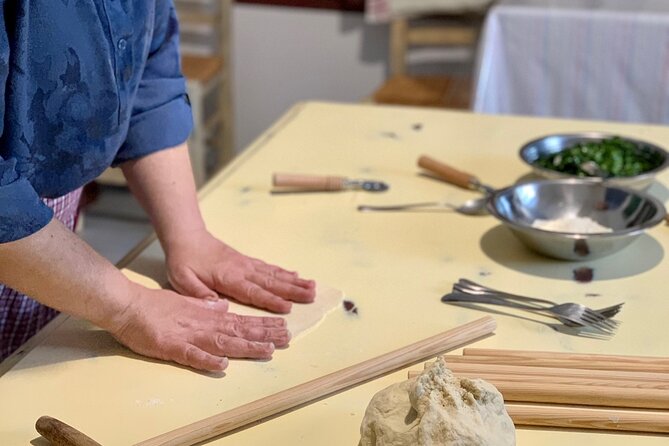
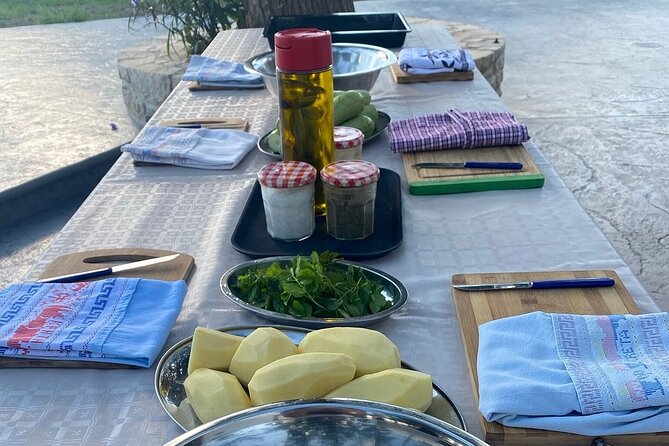
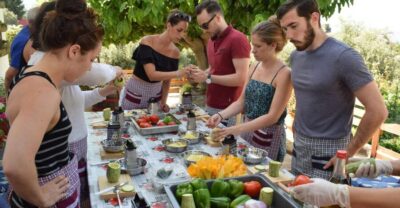
The best part of this Cretan cooking class is that you do not simply sit in a kitchen and copy a recipe. Eleni and her mother, Mrs Chrisoula, welcome you to their family farmhouse near Chania, where you cook, walk around the farm, learn about olive oil, and finish with dinner made by the group.
I like the small group size, capped at 14 people, and the way the meal covers a wide sweep of Cretan food, from dakos and dolmadakia to boureki, stifado, and kalitsounia. I also like that pickup is offered in an air-conditioned vehicle, which makes the late afternoon start easier if you are staying in the Chania area.
The main consideration is timing. This is about five hours, beginning at 4:30 pm, so it takes up most of your evening. You also need to share the cooking with a group, and confirmation is subject to availability.
In This Review
- Key points at a glance
- Arriving at Metochi farmhouse near Chania
- The farm visit puts the menu in context
- Cooking seven Cretan dishes in one afternoon
- Boureki: zucchini, potatoes, and cheese
- Gemista: stuffed tomatoes and peppers
- Stifado: pork, onions, and tomato sauce
- Dolmadakia and tzatziki
- Dakos: Crete on a small plate
- Kalitsounia, sweet and savory
- Dinner turns the lesson into a social evening
- What the $132.17 price includes in practical terms
- Who will get the most from this farmhouse class
- Timing, pickup, and booking advice
- Should you book the Cretan Traditional Cooking Lessons?
- FAQ
- Where does the cooking class take place?
- What time does the activity start?
- How long does the experience last?
- Is hotel pickup available?
- What food will I learn to prepare?
- Is dinner included?
- How large is the group?
Key points at a glance
- A real family setting: Meet Eleni and Mrs Chrisoula at Metochi farmhouse in Trachilos, near Chania.
- A full Cretan menu: Prepare boureki, gemista, stifado, dolmadakia, tzatziki, dakos, and sweet or savory kalitsounia.
- Farm and olive oil context: Learn how local ingredients connect to the Cretan diet, with a farm visit and olive oil tasting.
- Dinner is part of the lesson: Sit down together and eat the food you prepared, rather than leaving with only a recipe sheet.
- Practical pickup: Hotel or house pickup can be arranged in an air-conditioned vehicle.
- Good advance planning: The experience is often booked about 27 days ahead, and confirmation arrives within 48 hours, subject to availability.
Arriving at Metochi farmhouse near Chania
The experience begins at 4:30 pm at Metochi farmhouse in Trachilos, Chania 734 00. If you arrange pickup, send the provider your hotel name or house address. The pickup plan is worked out from there, which is useful if you are not driving or do not want to find a rural meeting point on your own.
The air-conditioned vehicle matters in Crete, particularly after a warm day outdoors. It also removes some of the guesswork from reaching the farmhouse. Still, give yourself room in your schedule. Pickup details depend on your accommodation, and the activity requires confirmation within 48 hours of booking.
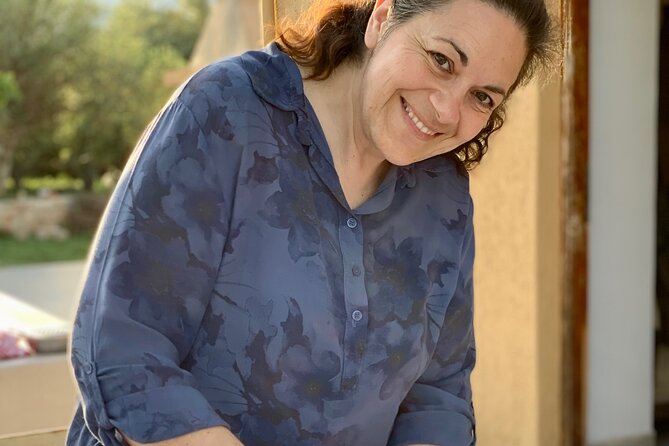
At the farmhouse, you get to know Eleni and Mrs Chrisoula before the cooking begins. That family welcome is central to the experience. This is not a large culinary school with several instructors rotating through stations. It is a home-based class built around family recipes, local produce, and a shared meal.
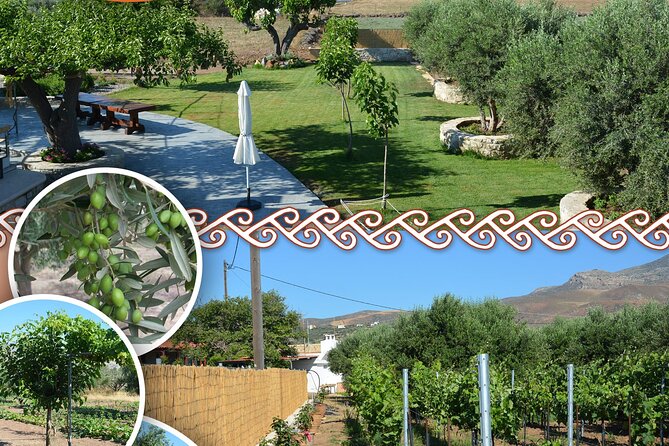
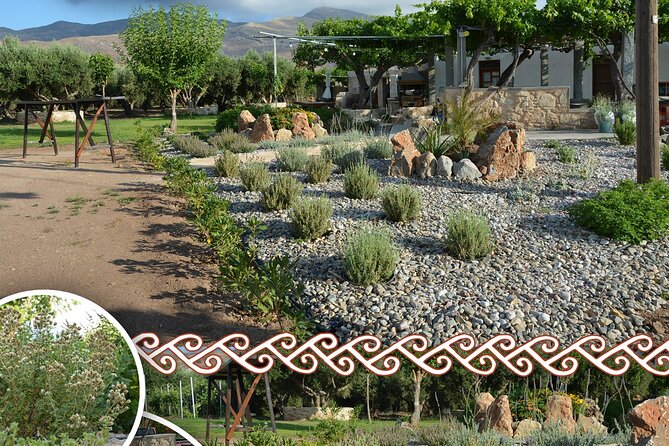
The property is described as a small farmhouse, and many of the ingredients used in the cooking come from the farm. That gives the class a useful sense of place. You are not just learning that tomatoes, zucchini, potatoes, herbs, cheese, and olive oil are important in Cretan cooking. You are seeing how food is tied to a household and its land.
More cooking classes in Crete:
- Chania: Authentic Cooking Class in the White Mountains
★ 4.9 · 529 reviews - The Real Cretan Cooking Experience
★ 5.0 · 528 reviews - Chania Cooking Class-The Authentic Enjoy traditional Cretan meal
★ 5.0 · 339 reviews
The farm visit puts the menu in context
Before or during the cooking session, you tour the farm and learn about the family’s methods. The farm visit is a good reason to choose this class over a standard city cooking lesson. It helps explain why Cretan food often tastes direct and uncomplicated: fresh produce, good olive oil, local cheese, grains, and careful cooking do most of the work.
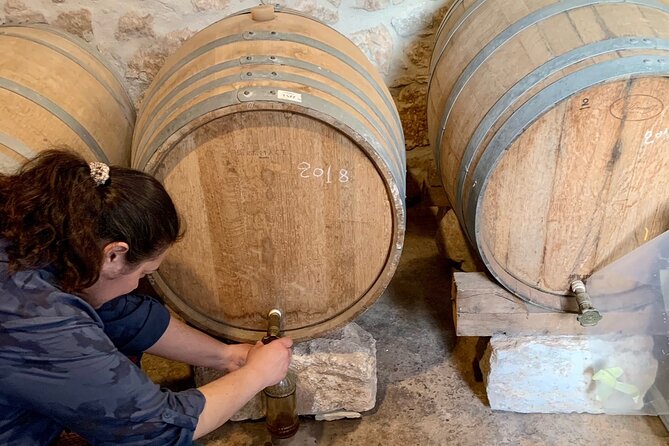
You also learn useful information about the Cretan diet and olive oil. An olive oil tasting is included, and the hosts explain how their oil is made. The experience also includes an explanation of the family’s wine-making process, giving you a wider look at the drinks and ingredients served at a Cretan table.
I would pay close attention here, even if you already know something about Mediterranean food. Olive oil is not a minor garnish in Crete. It affects the flavor of salads, vegetables, pastries, and cooked dishes, so understanding its place in the meal makes the recipes more useful once you return home.
The farm setting also gives you a chance to ask questions directly. Since the class is limited to 14 people, you should have a better chance to follow the demonstrations and speak with Eleni or Mrs Chrisoula than you would in a large commercial class. With a full group, though, you may not handle every task yourself. The experience works best if you are happy sharing work rather than expecting a private lesson.
Cooking seven Cretan dishes in one afternoon
The menu is broad for a five-hour activity. You prepare several starters, multiple main dishes, and dessert. That variety lets you see how different Cretan techniques fit together, but it also means the class is about the food culture as a whole rather than mastering one complicated recipe.
Boureki: zucchini, potatoes, and cheese
Boureki combines zucchini, potatoes, and cheese in the oven. It is a useful introduction to the Cretan habit of turning a few everyday ingredients into a satisfying main dish.
The appeal here is practical. You can imagine making boureki at home without hunting for rare ingredients. The finished dish also gives the meal a hearty vegetable center, rather than treating vegetables as a side note.
Same island, a completely different day out:
- From Kissamos Port: Boat Cruise to Balos Lagoon & Gramvousa
★ 4.2 · 6,755 reviews - Crete: Day Trip to Agios Nikolaos and Spinalonga Island
★ 4.6 · 4,416 reviews - From Chania: Full-Day Samaria Gorge Trek Excursion & Guide
★ 4.6 · 3,191 reviews - Agios Nikolaos: Boat Trip to Spinalonga with Swim Stop
★ 4.4 · 3,031 reviews
Gemista: stuffed tomatoes and peppers
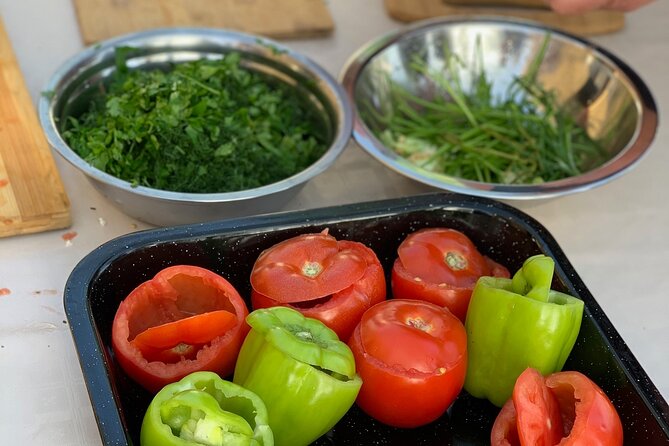
Gemista consists of tomatoes and peppers filled with a seasoned mixture. Stuffed vegetables are a familiar sight around Greece, but preparing them yourself helps you understand the work involved: choosing vegetables that hold their shape, filling them evenly, and baking them until tender.
This is likely one of the more hands-on parts of the class. You will want to pay attention to the balance between filling and vegetable, since that makes the difference between a dry result and a soft, flavorful one.
Stifado: pork, onions, and tomato sauce
Stifado brings meat into the meal, with pork cooked with onions and tomato sauce. It adds a slower, more savory element to a menu otherwise packed with vegetables, cheese, rice, herbs, and pastry.
The menu description does not give a detailed cooking method or exact preparation time. You should therefore expect to take part in the process without assuming that every dish will be cooked entirely from start to finish during the lesson. Some preparation may be organized around the group’s final dinner.
Dolmadakia and tzatziki
Dolmadakia are vine leaves rolled around rice. Rolling them is one of those simple kitchen jobs that becomes more enjoyable when done with other people. It also gives you a direct feel for the patience behind a dish that can look effortless on the plate.
Tzatziki adds a cool, creamy starter to the spread. It is a familiar Greek dish, but alongside farm-grown ingredients and the other recipes, it helps form a complete table rather than a single showcase plate.
Dakos: Crete on a small plate
Dakos uses a rusk with local cheese and tomato. It is one of the clearest examples of how Cretan food can be humble and highly satisfying. The crisp rusk, ripe tomato, cheese, and olive oil bring together several of the region’s everyday staples.
For you, dakos is also a manageable recipe to recreate. It requires less equipment and less time than the baked dishes, making it a useful takeaway from the class.
Kalitsounia, sweet and savory
Kalitsounia appear in two forms. You prepare small cheese pastries served with honey, as well as kalitsounia made with greens. That contrast is valuable because it shows how one pastry tradition can move from savory to sweet.
The honey-served version gives the group a proper finish to dinner. The greens version adds another vegetable-based starter and shows that Cretan cooking does not rely on one narrow style of dish.
Dinner turns the lesson into a social evening
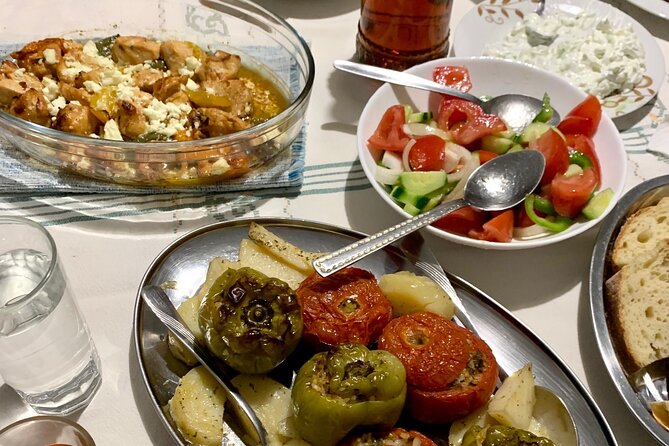
Once the cooking is complete, you eat the dishes together. This is more than a convenient ending. Sitting down to a meal made by the group lets you taste the recipes in the order and combination intended by the hosts.
The dinner also gives the evening a relaxed social rhythm. You meet people from different places, hear about Eleni’s family traditions, and share the results of the work. The warm family welcome is one of the strongest reasons to book this instead of a purely technical cooking class.
The meal is substantial. You have vegetable dishes, stuffed vegetables, pork, rice-filled vine leaves, cheese, tomatoes, rusks, yogurt-based sauce, and pastries. If you prefer a light class followed by a small tasting, this may feel like more food and more time than you want. If you want a full Cretan evening, the format makes good sense.
The group size can shape the dinner. With up to 14 people, the table should feel social, but not intimate in the way a private family meal would. That is a fair trade for the price and for the chance to meet other people while cooking.
What the $132.17 price includes in practical terms
At $132.17 per person, this is not the cheapest way to eat in Crete. You can find an excellent meal for less at a local taverna. The value comes from the combined package: transportation may be arranged, you spend time at a family farmhouse, you take part in preparing a large meal, you tour the farm, and you learn about olive oil and the Cretan diet.
The price makes more sense if you value context. A restaurant gives you the finished dish. This activity connects the dish to its ingredients, the family that prepares it, and the cooking methods behind it.
Group discounts are offered, so families or friends should check the available rate before booking separately. The maximum group size is 14, and the experience is offered in English. That makes it accessible to English-speaking visitors who want more than a food tasting but do not want to manage a language barrier during the lesson.
I would book this for an evening when you are willing to stay put and enjoy the pace. I would not schedule another major dinner afterward. The activity lasts about five hours and ends back at the meeting point, so the meal is clearly part of the evening rather than a quick stop between other plans.
Who will get the most from this farmhouse class
This cooking lesson suits you if you want to connect food with family life and local agriculture. It is especially good for people who enjoy asking questions, helping with preparation, and eating at a relaxed pace.
It also works well for families and groups of friends. The menu has enough variety to interest people with different tastes, and the hands-on tasks give everyone something to do. Group discounts may help with the cost.
Food-focused visitors will find plenty to like, particularly if olive oil, local cheese, vegetables, and traditional pastries interest you. The class also suits first-time visitors to Crete who want an introduction to several classic dishes in one evening.
You may want to think twice if you prefer a short, highly polished demonstration with precise instruction for one recipe. This class is shaped around hospitality, conversation, farm life, and a shared dinner. Its strength is the whole evening, not a tightly timed professional kitchen lesson.
The cooking may also be less suitable for anyone with strict dietary requirements, since the supplied information does not specify substitutions or allergy procedures. Ask the provider before booking if that affects your decision.
Timing, pickup, and booking advice
The scheduled start is 4:30 pm, and the total duration is approximately five hours. Since pickup is offered, provide the exact name of your hotel or the address of your house when arranging the ride. The activity ends back at the meeting point.
This experience is often booked about 27 days ahead. That does not guarantee that every date sells out, but it is a useful planning signal. If the farmhouse class is important to your Crete itinerary, do not leave it until the last day.
Confirmation is sent within 48 hours of booking, subject to availability. The activity also requires a minimum number of participants. If that minimum is not reached and the activity is canceled, you are offered another date or experience, or a full refund.
Free cancellation is available up to 24 hours before the start time. After that point, the amount paid is not refunded, and changes are not accepted. The cutoff uses local time in Crete, so check the clock carefully if you are booking from abroad.
Service animals are allowed. A mobile ticket is available, and the activity is offered in English.
Should you book the Cretan Traditional Cooking Lessons?
Book it if you want a warm family setting, a full meal, and a practical look at Cretan food rather than a quick restaurant visit. Eleni and Mrs Chrisoula give the evening a personal focus, while the farm tour and olive oil tasting add useful background to the recipes.
The $132.17 price is fair when you count the transportation option, five-hour format, cooking instruction, farm visit, tasting, and dinner. It is less compelling if you only want to eat traditional food or if you prefer a private class with no group sharing.
For most food-minded visitors staying near Chania, this is a strong choice. Schedule it on an evening when you can slow down, arrive hungry, and let the meal carry you through the night.
FAQ
Where does the cooking class take place?
It takes place at Metochi farmhouse in Trachilos, Chania 734 00, Greece.
What time does the activity start?
The scheduled start time is 4:30 pm.
How long does the experience last?
The activity lasts approximately five hours.
Is hotel pickup available?
Yes. Pickup is offered in an air-conditioned vehicle. You should send the provider your hotel name or house address so the best pickup plan can be arranged.
What food will I learn to prepare?
The menu includes boureki, gemista, stifado, dolmadakia, tzatziki, kalitsounia with honey, kalitsounia with greens, and dakos.
Is dinner included?
Yes. After preparing the dishes, you eat dinner together at the farmhouse.
How large is the group?
The activity has a maximum of 14 travelers.
Just added around Crete
- Crete: Knossos Palace & Heraklion City Tour★ 3.5 · 3 reviews
- Knossos palace (Last minute booking – Skip The Line Ticket)★ 4.5 · 3 reviews
- Cooking Class & Greek Night Experience★ 5.0 · 3 reviews
- Full-Day Tour:Lasithi Plateau -Mythology Park&Knossos Palace★ 3.0 · 3 reviews
- Chania: Private Guided Food and Wine Walking Tour with Lunch★ 5.0 · 3 reviews
- Knossos: Knossos Private Guided Tour★ 5.0 · 3 reviews
- Individual travel accompaniment East Crete★ 5.0 · 3 reviews
- Full-Day Hiking and Running Adventure in South Crete★ 5.0 · 3 reviews
Cretan Cooking Classes, compared.
Authentic Cooking Class in the White Mountains
Read our review →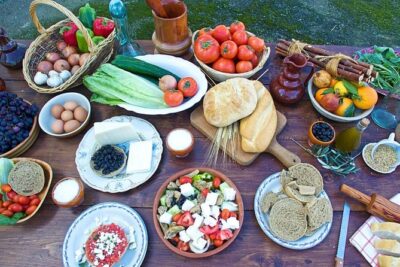
Chania Cooking Class-The Authentic Enjoy traditional Cretan meal
Read our review →
Moires: Cooking Class and Olive Oil Tasting at a Family Farm
Read our review →
Sightseeing Day Trip with Cooking Lesson and Lunch
Read our review →
Browse the lists this tour appears in