
Reviewed · CRETAN COOKING CLASSES
Dining In Rethymno: An Evening Of Cretan Cooking
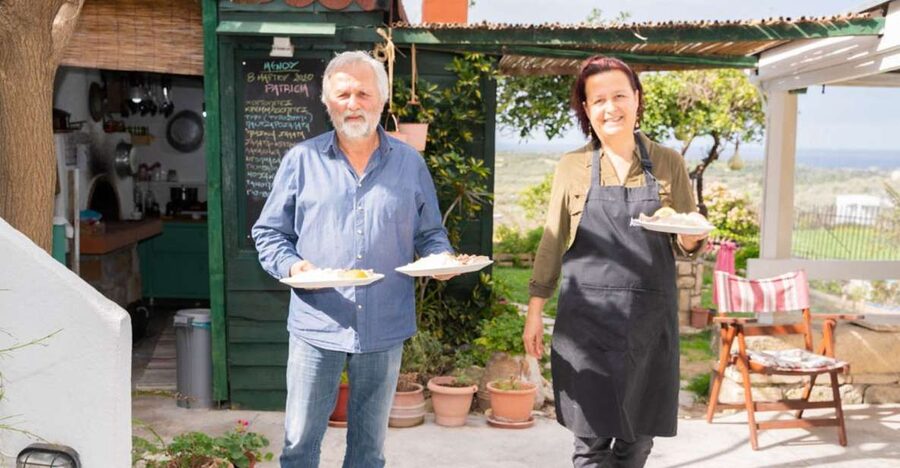
The best part of this Cretan cooking evening is its setting: you cook outdoors at Androniki’s home in Loutra, using vegetables and herbs from the garden, olive oil made at home, and a traditional wood oven. This feels less like a formal class and more like being welcomed into a Cretan household.
I like the small group of up to 10, which leaves room for questions and shared conversation. I also like the generous spread, from wild-herb pies and onion kalitsounia to moussaka, dakos, cheese, wine, and homemade raki. The one thing to consider is transport: Loutra is 11 kilometers from Rethymno, and the village has no street names, so you’ll need to follow the map pin or arrange a taxi.
In This Review
- Key points at a glance
- A Cretan kitchen in the village of Loutra
- What you cook, and what you get to eat
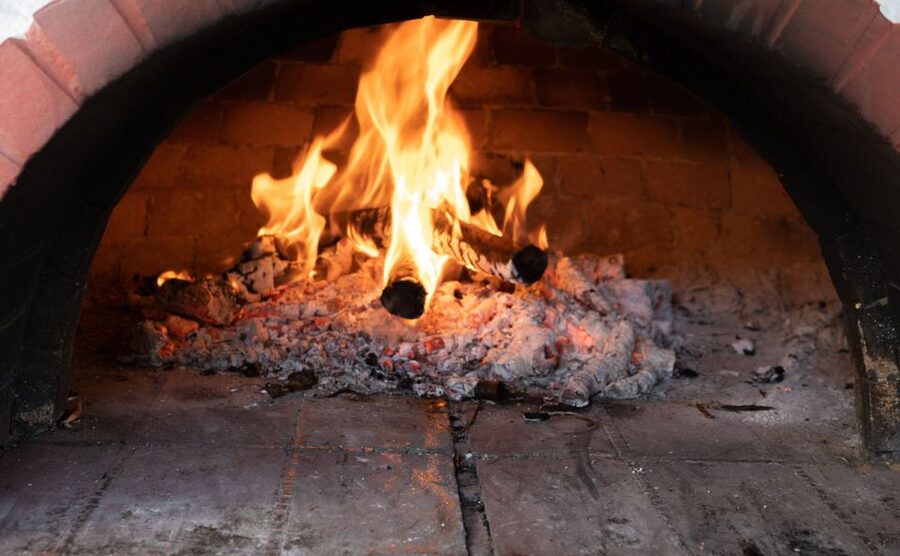
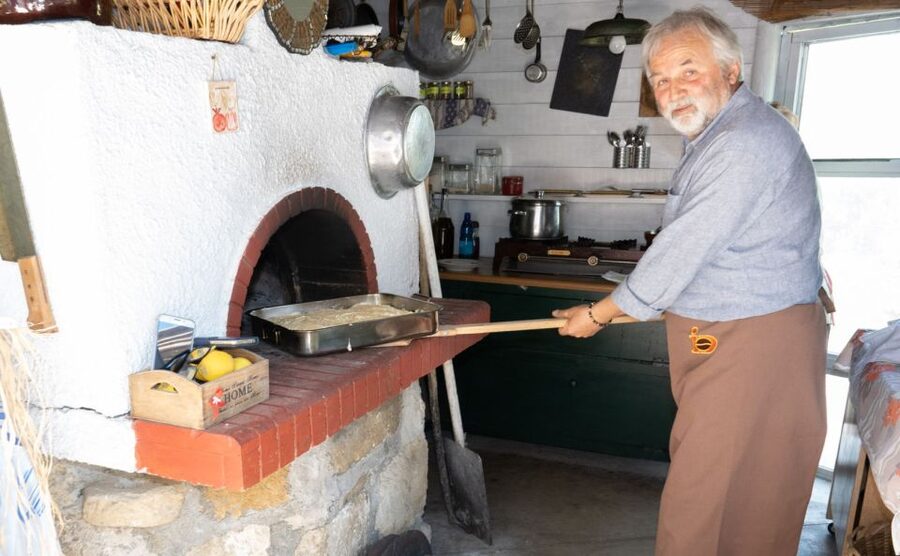
- The wood oven changes the mood
- From the garden to the table
- Raki, wine, and the long Cretan table
- Why the $114 price can make sense
- Who will enjoy this evening most
- Practical planning for the four-hour visit
- Should you book Androniki’s cooking evening?
- FAQ
- Where does the cooking experience take place?
- How can I reach the home from Rethymno?
- How long does the experience last?
- How many people can join the group?
- Which languages are spoken?
- What kind of food will I prepare?
- Are drinks included?
- Should I report food allergies or special diets?
Key points at a glance
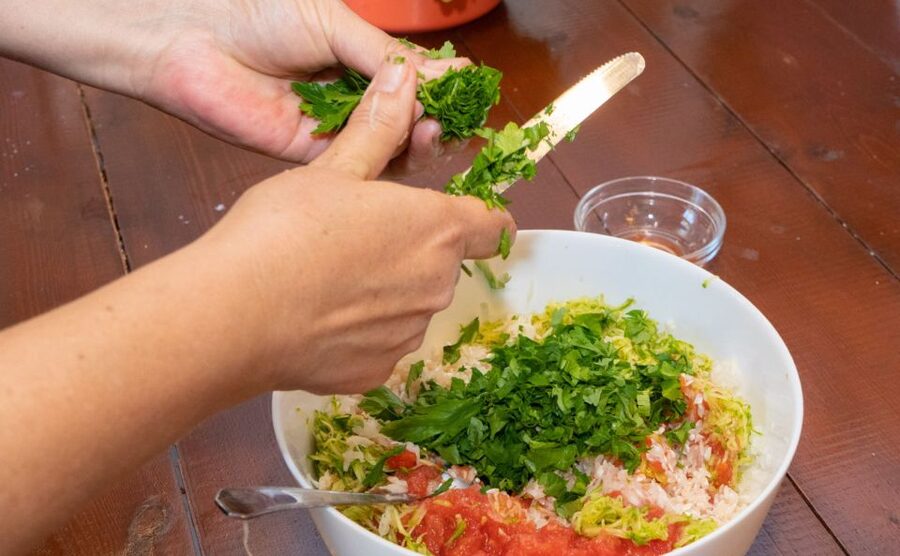
- Garden-to-table cooking: Use homegrown vegetables, herbs, and homemade olive oil in a real local home.
- Wood-oven setting: Cook outside with Androniki using the heat and character of a traditional wood oven.
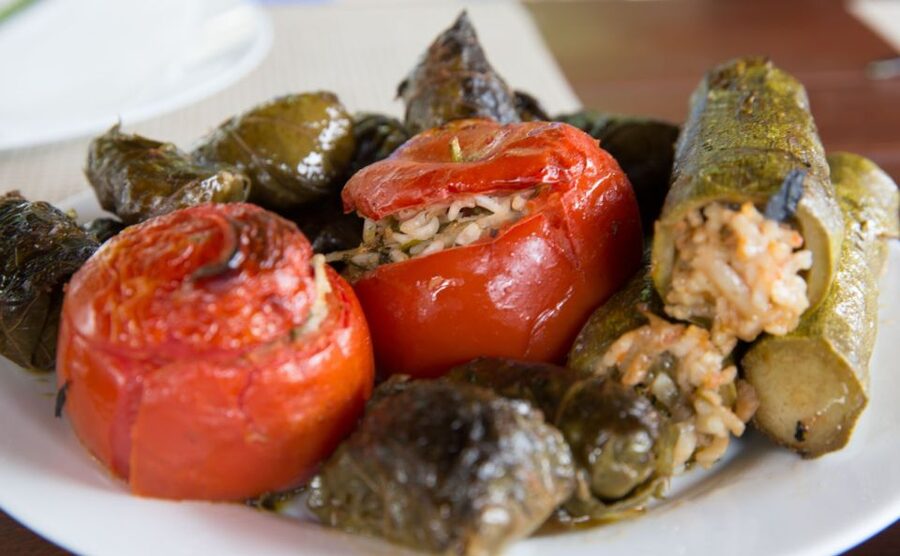
- Cretan menu: Prepare or sample dishes such as chortopites, kremidokalitsouna, Sfakianes pites, dakos, stuffed vegetables, and moussaka.
- More than a cooking lesson: Wine, cheese, tzatziki, sweets, and homemade raki turn the class into a full evening meal.
- Personal hosting: Androniki leads the cooking, while her husband helps keep the evening running smoothly.
- Easy to combine with Rethymno: The home is 11 kilometers from town, but you must plan the return trip.
A Cretan kitchen in the village of Loutra
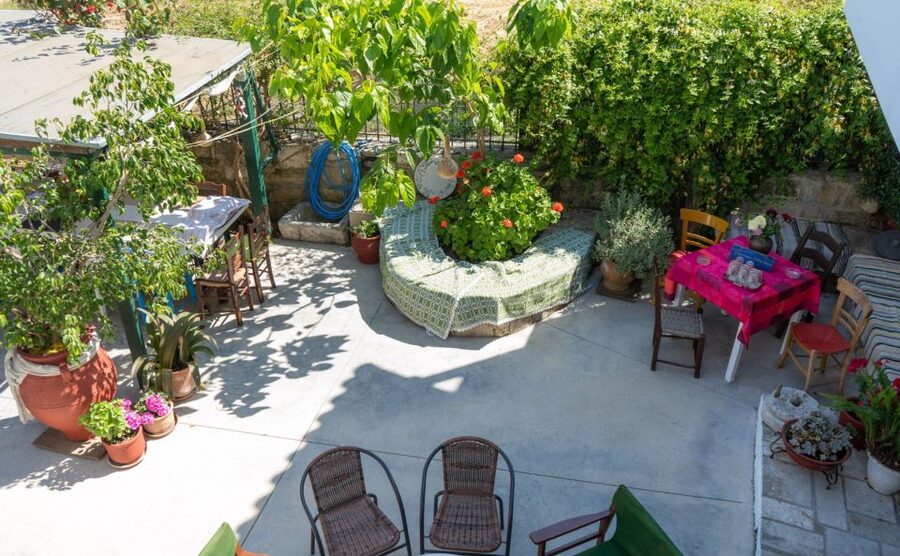
This four-hour experience takes place in Loutra, a small village about 11 kilometers from Rethymno. The distance is manageable by car or taxi, and a bus is also possible from Rethymno, but this is not a tour where you simply walk from the old town to the meeting point.
Loutra has no street names, so the practical detail matters. The meeting place is marked on Google Maps as Androniki’s Cretan House, and the complete address is supplied with your booking voucher. I would save the map location before leaving Rethymno, especially if you plan to return after dinner.
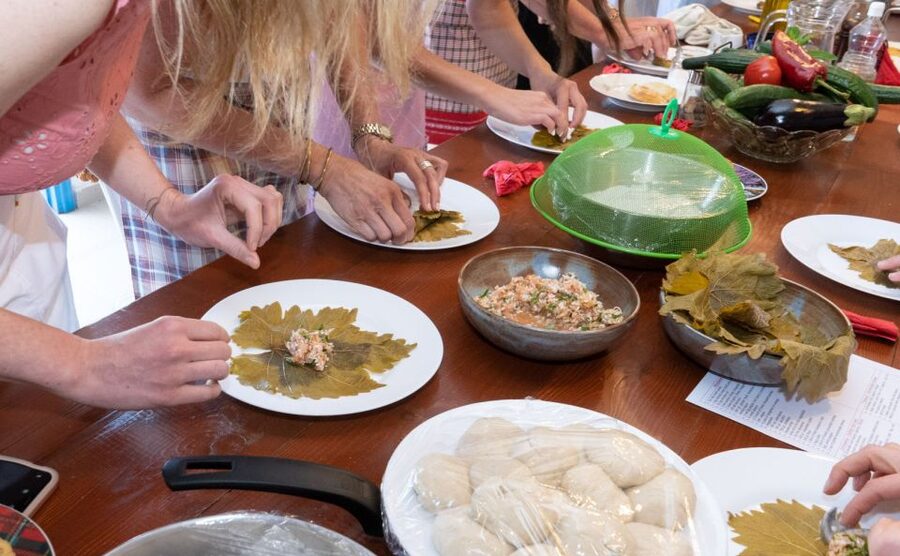
The setting is part of the appeal. You are not in a cooking school with rows of workstations and a timed demonstration. You are at the hosts’ home, working outdoors around their cooking area and wood oven. That makes the evening feel connected to daily Cretan life, even if some ingredients and dishes are prepared ahead of time.
Androniki teaches in Greek and English. Her husband supports the session, and the pair create the warm, informal atmosphere that gives the experience its value. You can expect instruction, but also plenty of conversation, eating, and social time around the table.
More cooking classes in Rethymno:
- Rethymno: Traditional Cooking Class in a Cretan Village
★ 5.0 · 58 reviews - Rethymno: Authentic Cooking Class with a Local
★ 4.8 · 23 reviews - Chania: Authentic Cooking Class in the White Mountains
★ 4.9 · 529 reviews
What you cook, and what you get to eat
The menu introduces you to several familiar Cretan staples, but the evening is not limited to one recipe. You may work with dishes such as chortopites, pastries filled with wild greens and herbs, and kremidokalitsouna, small onion-filled pastries associated with Cretan home cooking.
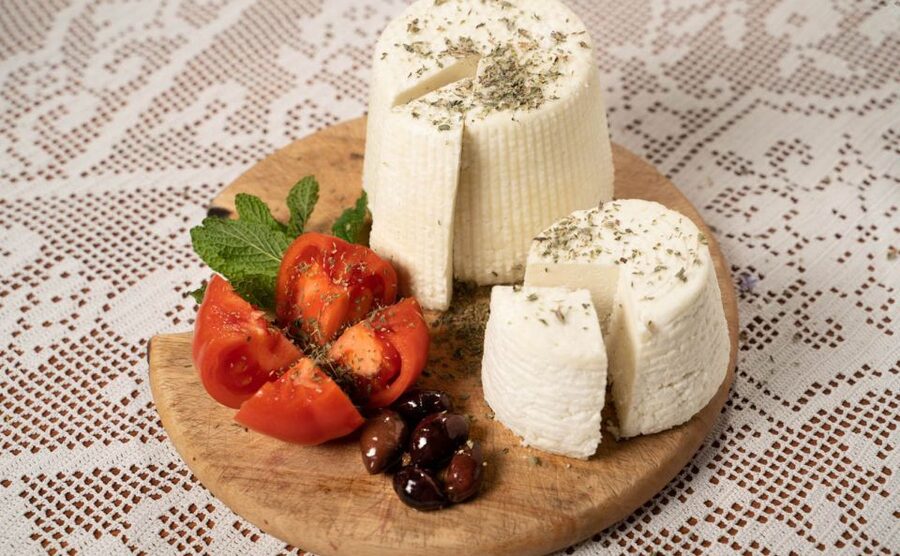
Sfakianes pites are another local specialty. These thin pies are linked with Sfakia in southern Crete and are often paired with cheese or something sweet. The experience also includes classic items such as dakos, village salad, stuffed vegetables, moussaka, tzatziki, and cheese.
The precise division between dishes you prepare and dishes already made for tasting is important. The class includes prepared ingredients and extra food to sample, so you are not expected to create every item from start to finish. One useful description of the evening characterizes the class as basic but informative. That is a fair way to think about it: you learn practical traditional methods, but this is not an advanced professional course.
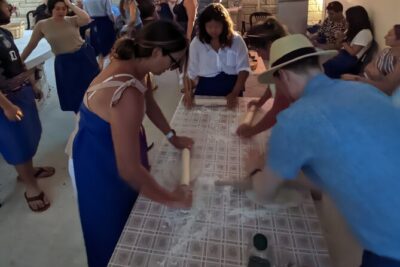
You can expect Androniki to organize the work so that everyone has something useful to do. That may mean shaping pastry, handling prepared ingredients, assembling a dish, or helping with a recipe before it goes into the oven. The format suits beginners, couples, and people who want a taste of Cretan cooking without spending a full day in a kitchen.
The food is a major part of the evening. Several participants specifically valued the freshness of the homegrown vegetables and herbs, while one particularly detailed account described a menu that also included sweets, cheese, tzatziki, and raki. The result is closer to a long family dinner with cooking built into it than to a short lesson followed by a small tasting plate.
The wood oven changes the mood
Cooking outside with a wood oven gives this activity a strong sense of place. The fire is not just a backdrop for photographs. It becomes part of the evening’s rhythm, from preparing the food to waiting for dishes to cook and finally eating what you helped make.
A wood oven also connects the class with older Cretan cooking habits. You get a better feel for the patience involved in traditional food preparation than you would from a quick indoor demonstration. The fire, the garden produce, and the shared work make the food feel tied to the home rather than separated from it.
Timing is another reason to allow the full four hours. This is not a rushed stop between sightseeing plans. You have time to cook, watch food being prepared, sit down to eat, and talk with the hosts and other people in the group.
The evening setting can be especially pleasant if the timing lines up with sunset. One account describes the warmth of the fading sun, the sound of the wood fire, wine, and conversation as central to the experience. Since starting times vary, check availability for the date you want and confirm the time before planning your transport.
From the garden to the table
The use of homegrown produce is more than a nice extra. It gives you a direct connection to the ingredients behind Cretan food. Fresh vegetables and herbs appear in the dishes, and the garden helps explain why simple recipes can taste so full when the produce is good.
A garden walk has also been part of the evening, with herbs available to take home. This detail may vary with the season and the garden’s supply, so I would not book the activity solely for that possibility. Still, it adds a personal touch that a standard restaurant meal cannot offer.
The homemade olive oil is another small but meaningful detail. Olive oil is central to Cretan cooking, and using the hosts’ own product lets you taste the ingredient in the context where it is made and used. You are not just hearing that local food matters. You are eating food prepared with ingredients connected to the house.
This is also a good activity for people who want food culture without a lecture. Androniki’s approach appears to be hands-on and practical. You learn by helping, tasting, shaping, and eating, rather than by standing back for a long explanation.
A few more Rethymno half-days to weigh up
- Rethymno: Sunset Catamaran Cruise – Sushi & Open Bar
★ 4.8 · 446 reviews - Rethymno:Evening tasting tour
★ 4.7 · 25 reviews - Panormo: Sunset All-Inclusive Catamaran Cruise with Snacks
★ 4.7 · 21 reviews - Crete Horse Riding: Mesmerising Sunset Ride
★ 4.7 · 19 reviews
Raki, wine, and the long Cretan table
Drinks are included, which makes the $114 price easier to assess. You receive Greek wine with the meal, along with homemade raki and other drinks. Raki is a strong Cretan spirit, usually served in small amounts after a meal or during social occasions.
The homemade version is one of the evening’s signature details. You should treat it with respect, especially if you are also drinking wine. The point is not to see how much you can consume. It is to enjoy a local custom at a relaxed pace.
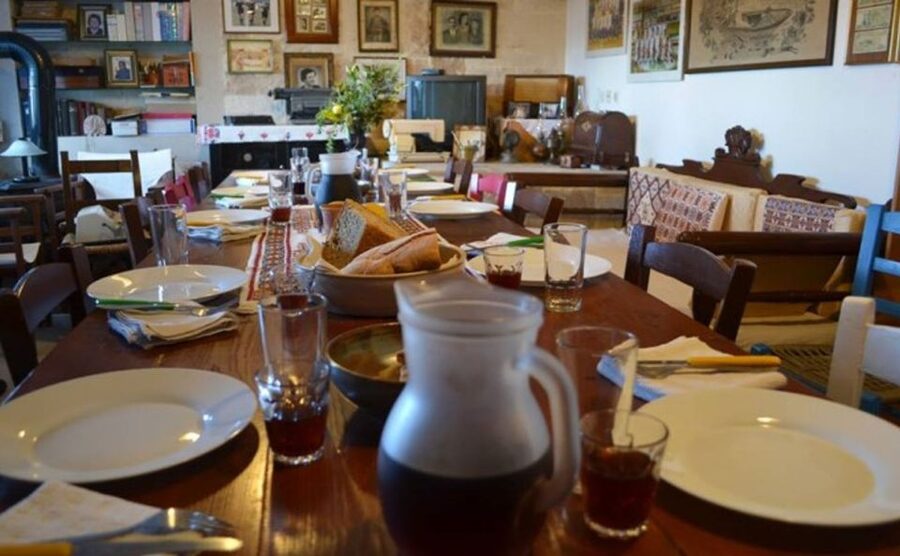
The meal itself is designed for sharing. You are likely to have several plates on the table rather than one fixed restaurant-style course. That works well for a small group because food gives everyone a natural way to compare flavors and talk about what they have prepared.
I would not choose this experience if you need a quiet, private dinner for two. The small group is part of the attraction, and the social element is frequently praised. You may cook and eat with other couples or small groups, so the evening is best for people who enjoy conversation and a communal meal.
Why the $114 price can make sense
At $114 per person, this is not the cheapest meal in Crete. You can eat very well in Rethymno for far less, especially if your only goal is dinner. The price makes more sense when you count the full package: four hours, instruction from a local cook, hands-on preparation, a meal, wine, other drinks, homemade raki, and time in a private home.
You are also paying for a small group, limited to 10 people. That matters in a cooking class. With too many people, you tend to watch someone else do the work. A group of this size should give you a better chance to participate and ask questions, though the exact amount of hands-on time can depend on the group.
The value is strongest if you care about food traditions and personal contact. It is weaker if you want a highly technical lesson with written measurements, restaurant-level plating, or a focused study of one dish. The class is presented as approachable and informative, not as a professional culinary workshop.
The generous amount of food is another factor. The evening includes more than the dishes you help prepare, with additional Cretan favorites, dessert, cheese, and drinks. You should arrive ready for a substantial meal, not a light tasting.
Who will enjoy this evening most
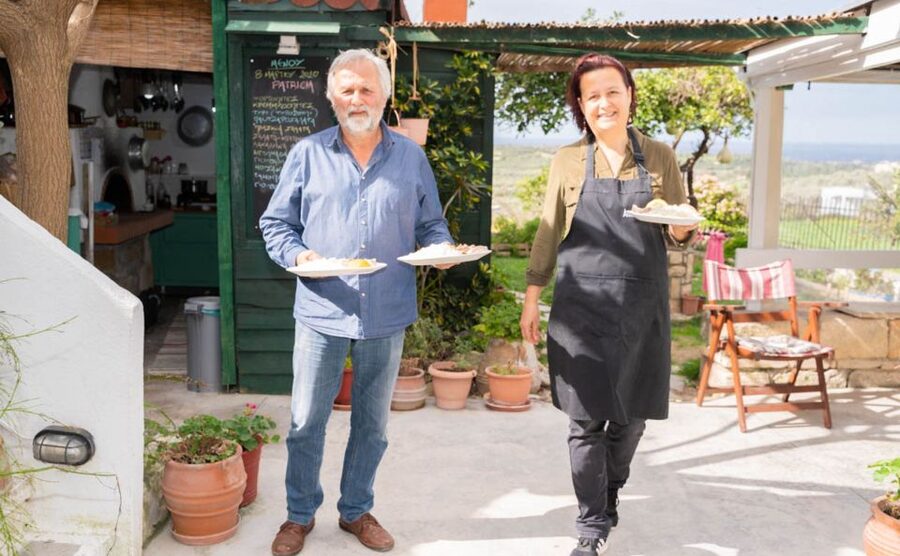
I would recommend this experience to you if you want to meet local hosts, eat home cooking, and learn a few recipes in a relaxed setting. It is a strong choice for couples, small groups of friends, and solo visitors who like joining a shared table.
It also suits beginners. The class does not require advanced cooking skills, and Androniki is described as patient and well organized. You can take part without worrying that you will slow down a professional kitchen.
Food-focused visitors will get the most from the menu. Dishes such as wild-herb pies, onion pastries, dakos, stuffed vegetables, and moussaka give you a useful introduction to the range of Cretan home cooking. The class is also a good match for anyone who wants to understand how garden produce, olive oil, herbs, pastry, and fire come together in local meals.
You may want to choose another activity if you have strict timing, dislike group dining, or want to stay within central Rethymno. The trip to Loutra is short by car, but the lack of street names adds a little friction. You also need to tell the hosts about food allergies or special diets in advance.
Practical planning for the four-hour visit
Bring the meeting location up on your phone before you set out. Since Loutra is small and lacks street names, relying on a last-minute search can be frustrating. The map pin for Androniki’s Cretan House is the clearest navigation aid provided.
Plan your transport in both directions. You can reach the village by car, taxi, or bus from Rethymno. If you drink wine and raki, do not plan to drive back. A taxi is the simplest option if you are not renting a car, but you should arrange the return rather than assume a car will appear outside the home.
Tell the hosts about allergies, intolerances, or special diets before the experience. This is especially important for a menu built around pastry, cheese, vegetables, and several shared dishes.
The hosts speak Greek and English, and the group is capped at 10 people. Cancellation is free up to 24 hours before the start time, and you can reserve now and pay later, which helps if your Crete plans are still shifting.
Should you book Androniki’s cooking evening?
Book it if you want a social food experience in a real Cretan home, not just another restaurant meal. The homegrown produce, outdoor wood oven, broad menu, included drinks, and warm hosting give the evening a clear sense of place.
I would make the effort to reach Loutra if you are staying in or near Rethymno and have four free hours. The strongest reasons to go are the personal welcome from Androniki and her husband, the chance to help with traditional recipes, and the generous meal that follows.
Skip it if your budget is tight, you want a formal cooking certificate, or you prefer to control every part of your evening. For everyone else, $114 buys a substantial meal and a personal look at Cretan home cooking. Just plan your ride, arrive hungry, and warn the hosts about dietary needs.
FAQ
Where does the cooking experience take place?
It takes place at Androniki’s home in Loutra, a village 11 kilometers from Rethymno in Crete.
How can I reach the home from Rethymno?
You can travel by car, taxi, or bus from Rethymno. Loutra has no street names, so use the Google Maps location for Androniki’s Cretan House and check the full address on your voucher.
How long does the experience last?
The cooking and dining experience lasts four hours.
How many people can join the group?
The group is limited to 10 participants.
Which languages are spoken?
Androniki and the host team speak Greek and English.
What kind of food will I prepare?
The menu includes traditional Cretan and Greek dishes such as chortopites, kremidokalitsouna, and Sfakianes pites. The evening also includes foods such as dakos, village salad, stuffed vegetables, moussaka, tzatziki, cheese, and sweets.
Are drinks included?
Yes. Drinks and beverages are included, including Greek wine and homemade raki.
Should I report food allergies or special diets?
Yes. You need to communicate any allergies, food restrictions, or special diet requirements before attending.
Just added around Rethymno
- From Crete: Private Day Trip to Balos and Gramvousa Island★ 5.0 · 3 reviews
- Crete: Taxi Transfers from Heraklion Airport to Rethymno City★ 5.0 · 3 reviews
- Day Boat Trip: Preveli-Triopetra- Agios Pavlos from Rethymno★ 3.5 · 3 reviews
- Rethymno | Safari Tour in Private★ 5.0 · 3 reviews
- Rethymno Scavenger Hunt: Pirates, Food, Alcohol & Treasures★ 5.0 · 3 reviews
- Rethymno: Private Catamaran Cruise with Lunch and Drinks★ 5.0 · 3 reviews
- From Chania & Rethymno: Kourtaliotiko, Preveli & Damnoni★ 4.7 · 3 reviews
- Rethymno: Falassarna Beach Day Trip with Transfer★ 5.0 · 4 reviews
Cretan Cooking Classes, compared.
Authentic Cooking Class in the White Mountains
Read our review →
Chania Cooking Class-The Authentic Enjoy traditional Cretan meal
Read our review →
Moires: Cooking Class and Olive Oil Tasting at a Family Farm
Read our review →
Sightseeing Day Trip with Cooking Lesson and Lunch
Read our review →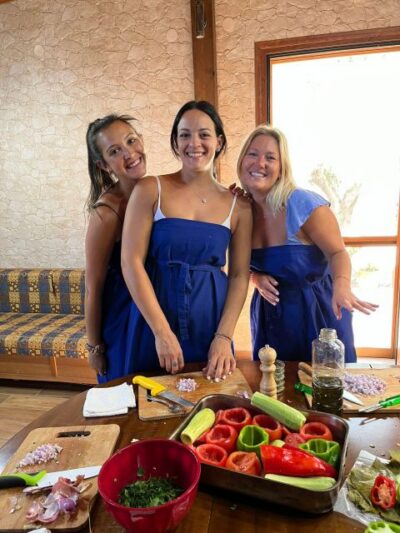
Browse the lists this tour appears in