
Reviewed · WALKING TOURS
Heraklion: Food Tastings Walking Tour
Heraklion reveals itself best one bite at a time. This four-hour walk moves from Eleftherias Square through local streets, bakeries, market stalls, cafés, and family-run shops, ending near the Rocca a Mare Fortress. You get Cretan food, but also the customs and stories that make the food matter.
I like the eight-stop format, since it gives you a broad taste of Crete instead of one long meal. I also like the mix of food and city sights, including Agios Minas Cathedral, old fountains, churches, architecture, and neighborhood corners you might otherwise pass without a second look.
The main consideration is simple: this is a generous amount of food and drink. You should arrive hungry, wear comfortable shoes, and tell the company about vegetarian needs when booking. The meeting point at Eleftherias Square can also be tricky to spot during construction, so allow extra time.
In This Review
- The best parts of the Heraklion food walk
- Why this four-hour tour works so well
- Starting at Eleftherias Square at 11 AM
- Greek coffee, sand, and cup reading
- Bougatsa at a bakery dating to 1922
- Choosing Cretan cheese at a local tasting
- The market, olive oil, and Cretan pantry
- Agios Minas Cathedral and a pause from eating
- Meat, snails, and the biggest food stop
- Cretan wine and a Bronze Age tradition
- Finishing at Rocca a Mare Fortress
- Who will enjoy this tour most
- Is $114 a fair price?
- Should you book the Heraklion Food Tastings Walking Tour?
- FAQ
- How long does the Heraklion food tour last?
- Where does the tour begin?
- Where does the tour finish?
- Is the tour conducted in English?
- What food and drinks are included?
- Are vegetarian options available?
- Can children join the wine and spirit tastings?
The best parts of the Heraklion food walk
- Traditional coffee in sand: Begin with ellinikós kafés and a lesson in cup reading, an old custom involving the coffee grounds.
- Bougatsa from a 1922 family business: Taste Heraklion’s famous custard-and-phyllo pastry at a bakery with nearly a century of practice.
- Cretan cheese know-how: Learn how to compare local cheeses and choose the best ones, rather than simply sampling them.
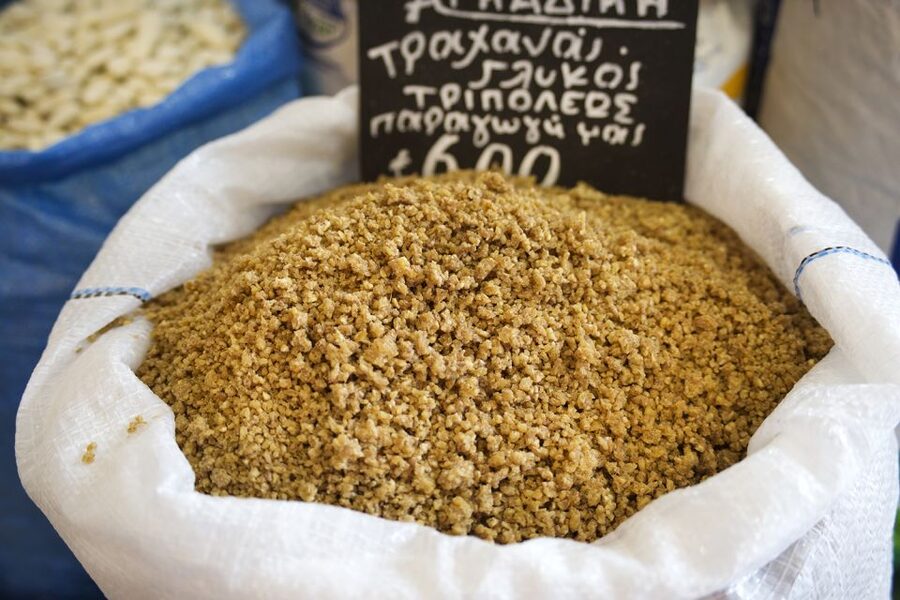
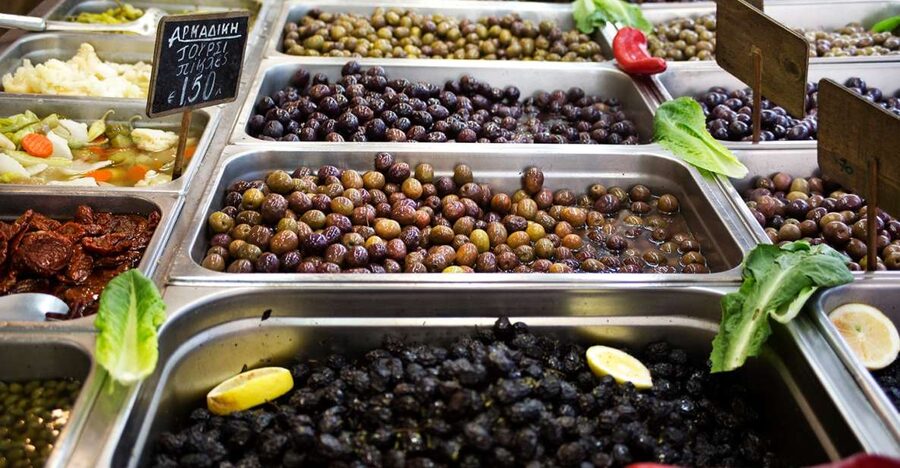
- Market flavors: Try olives, rusks, bread, herbs, honey, and olive oil while meeting local vendors.
- A real choice at lunch: Sample an organic meat dish, or try fried snails, a traditional Cretan favorite.
- Wine and meze to finish: End with local wines, spirits, and a generous spread of small dishes near the waterfront.
Why this four-hour tour works so well
Many food walks are a string of tastings with little connection between them. This one uses the food to explain Cretan life. Your guide can talk about farming, eating habits, family traditions, local pride, and the long story of wine production on Crete.
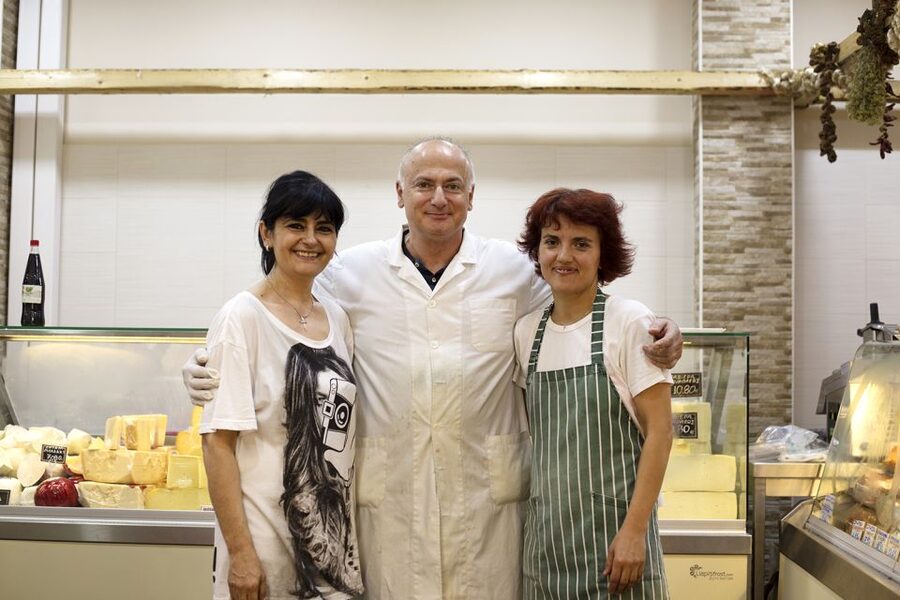
The guides are a major part of the experience. Eva appears frequently as the guide, while Margarita, Mya, and Maia have also led tours. The strongest descriptions of the tour center on guides who feel like local friends rather than people reciting a script. Eva is often praised for her humor, warmth, and feel for Heraklion, while Margarita is noted for her friendly manner and clear explanations of food and culture.
The tour also leaves room between tastings. You are not pushed from one plate to the next. Short stops at churches, fountains, murals, and historic buildings break up the eating and help you place the cuisine within the city.
At $114 per person, this is not a cheap snack crawl. Still, the price includes food and beverage samples at eight local stops, a four-hour guide-led walk, coffee, pastries, cheeses, olives, rusks, meats, sweets, wine, and local spirits. Several participants describe leaving full, and some say the value felt strong because the food, drinks, city walk, and personal advice all came together.
More walking tours in Crete:
- Knossos: Knossos Palace Skip-the-Line Guided Walking Tour
★ 4.8 · 1,380 reviews - PRIVATE Walking Tour with Lunch and Wine Tasting by a Sommelier
★ 5.0 · 113 reviews - Rethymno: Old Town Walking Tour with Meal
★ 4.9 · 73 reviews
Starting at Eleftherias Square at 11 AM
Meet your English-speaking guide at 11:00 AM beside the statue of a soldier in the center of Eleftherias Square. The square is Heraklion’s main central meeting area, near the Archaeological Museum and opposite the Astoria Hotel. Look for the Crete Local Adventures sign.
This is an easy central location, but the square has had construction work, and it can be hard to identify the exact spot in a busy open space. I would arrive early and keep the company’s contact details handy. One useful practical tip is to agree on a nearby landmark such as a museum, pharmacy, or cinema if you are concerned about finding the guide.
Starting here gives you a useful introduction to Heraklion. You are not immediately sent into a restaurant. Instead, the walk begins with a taste of daily life and a chance to learn how Cretans approach food.
Greek coffee, sand, and cup reading
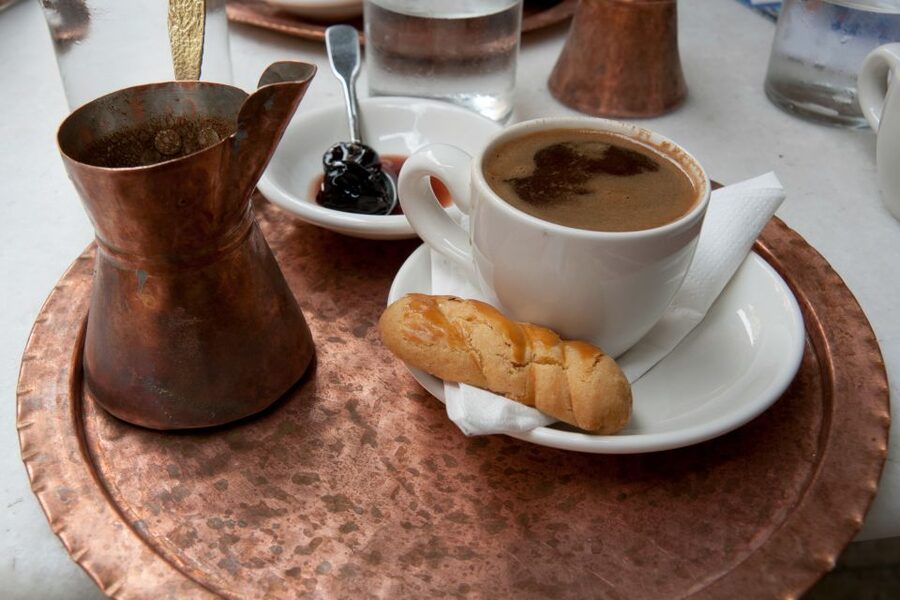
The first tasting is traditional Greek coffee, called ellinikós kafés. You see it prepared in the old style, heated in sand, and your guide explains why coffee plays such a large role in Greek social life.
This stop is more than a caffeine break. Coffee gives the group time to settle in, meet one another, and hear the first stories about Heraklion. You also learn about cup reading, the custom of interpreting patterns left by the grounds. It is a lighthearted tradition, but it adds a distinctly local touch to the opening.
The coffee is strong and unfiltered, so drink it slowly. If you usually take coffee with milk, sugar, or a paper cup in hand, this is a different rhythm. That is part of the point. You sit, talk, and let the city come to you for a few minutes.
The coffee stop lasts about 30 minutes. It is a relaxed beginning, though anyone hoping to start with a full breakfast should know that this is only the first of several tastings.
Bougatsa at a bakery dating to 1922
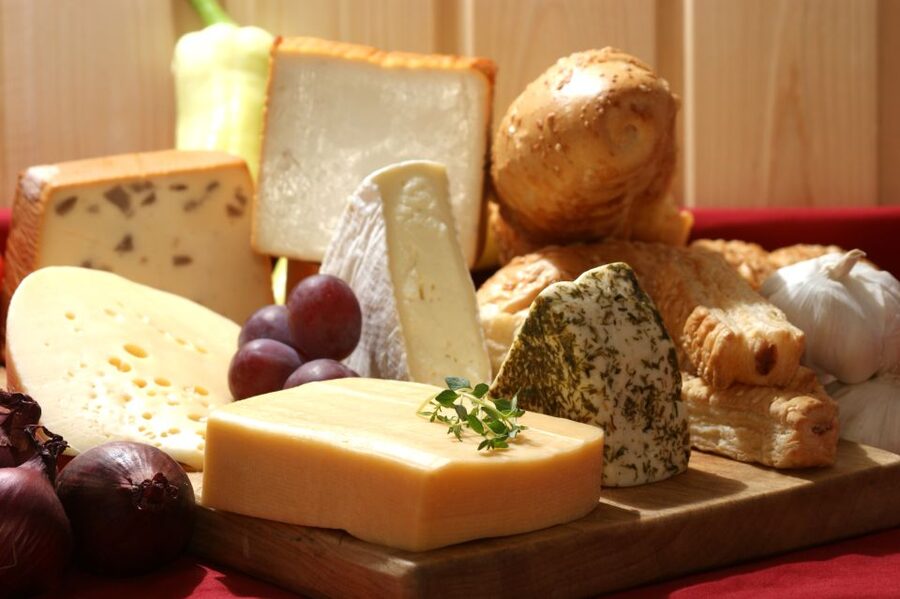
Next comes bougatsa, one of Heraklion’s essential pastries. The version here comes from a family-owned business that has been making it since 1922, and the stop gives you a chance to taste the pastry where its preparation has been refined over generations.
Bougatsa is made with thin layers of phyllo and may contain semolina custard, cheese, or minced meat. The sweet custard version is often the one that captures attention, but the savory fillings show how flexible this pastry can be.
The bakery stop lasts about 30 minutes. You get more than a quick bite, since the guide explains what you are eating and why bougatsa is so closely linked with Heraklion. One useful tip: if you find a favorite, remember the location. A participant enjoyed the pastry so much that she returned the next day for another serving.
This is also where the pace begins to feel generous. You are tasting a proper pastry, not just nibbling a crumb. Save room.
Same island, a completely different day out:
- From Kissamos Port: Boat Cruise to Balos Lagoon & Gramvousa
★ 4.2 · 6,755 reviews - Crete: Day Trip to Agios Nikolaos and Spinalonga Island
★ 4.6 · 4,416 reviews - From Chania: Full-Day Samaria Gorge Trek Excursion & Guide
★ 4.6 · 3,191 reviews - Agios Nikolaos: Boat Trip to Spinalonga with Swim Stop
★ 4.4 · 3,031 reviews
Choosing Cretan cheese at a local tasting
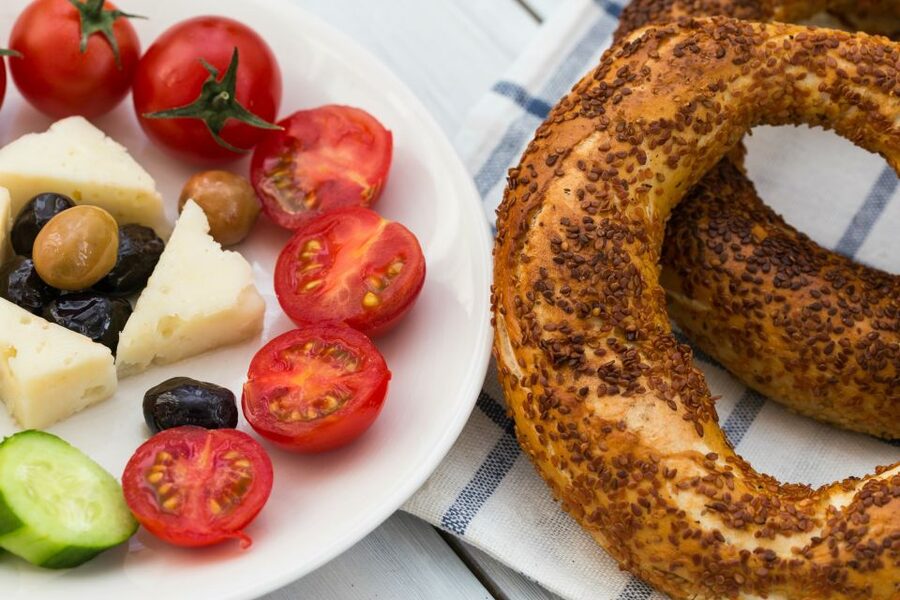
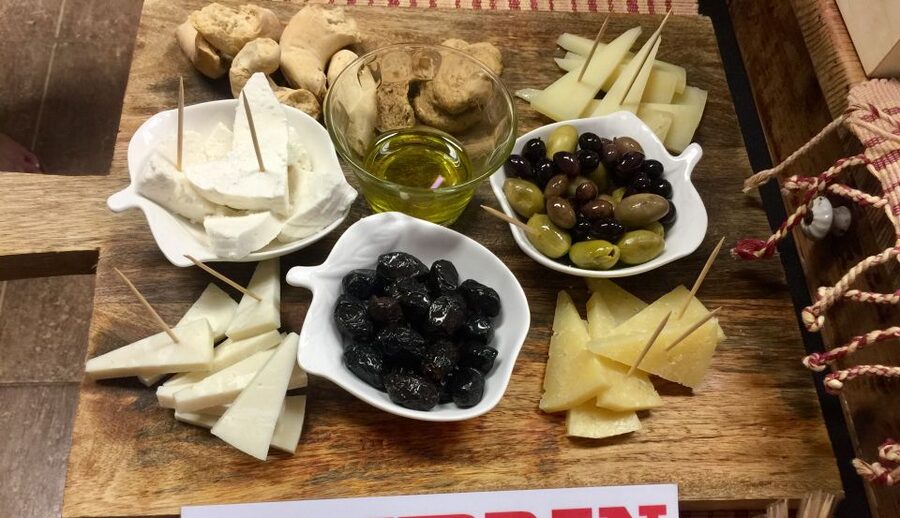
The cheese stop focuses on a basic part of Cretan cooking. You sample several local cheeses and learn how to compare them, with advice on texture, flavor, freshness, and quality.
That practical guidance makes this stop more useful than a simple cheese board. You can use the same hints later in a market, at a shop, or over a restaurant menu. Cretan cheeses can vary widely, and a guide who knows local producers can help you understand what makes each one different.
Cheese may be served alongside rusks, olives, or bread. Rusks are twice-baked pieces of bread that keep well and are a familiar part of Cretan meals. They are firm and dry on their own, but work beautifully with tomato, cheese, olive oil, or other toppings.
The 30-minute cheese tasting is a good place to ask questions. If you are interested in bringing food home, ask your guide which products travel well and where to buy them. Personal recommendations are one of the useful extras on this tour.
The market, olive oil, and Cretan pantry
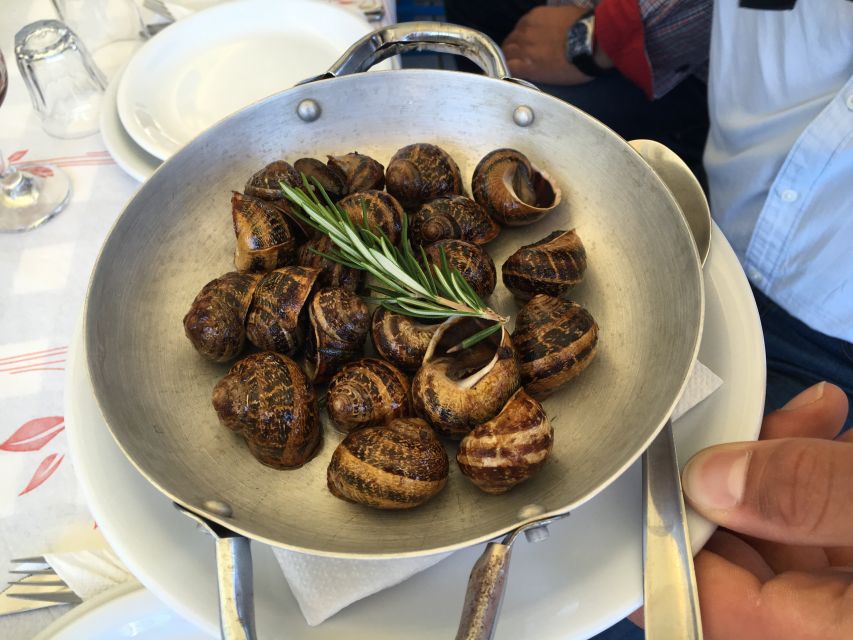
The 45-minute market visit is one of the most valuable parts of the walk. You meet local vendors and see the everyday ingredients behind Cretan cooking rather than only encountering finished dishes.
Expect samples such as olives, rusks, bread, herbs, honey, and cheese. The exact selection can vary, but the larger lesson stays the same: Cretan food depends on good basic products. Olive oil is central, and you taste the island’s famous oil while learning why organic Cretan oil has such a strong reputation.
This is a chance to slow down and pay attention to olive oil as food, not just as a cooking ingredient. Your guide can explain local farming, organic agriculture, and the idea of keeping food production close to home. One guide, Eva, is also an olive farmer, which adds a personal connection to the subject.
I would listen carefully here if you plan to shop later. You may learn how to spot a better oil or cheese, rather than buying based only on an attractive label. The market also helps you see why Cretan meals can taste so good even when the dishes appear simple.
Agios Minas Cathedral and a pause from eating
The route includes a stop at Agios Minas Cathedral, with about 30 minutes listed for tea. This break gives your palate a rest and adds a cultural layer to the walk.
The cathedral is one of the city’s important religious sites, and guides have sometimes taken groups inside churches during the tour. You may also hear about nearby architecture, fountains, murals, and the changing neighborhoods of Heraklion.
This part is important because it keeps the experience from becoming a four-hour eating contest. Several participants appreciated the short cultural stops between tastings. One person did wish for more historical explanation, so your experience will depend partly on the guide and the questions you ask.
If you want more detail about Heraklion’s past, speak up. The guides are happy to connect food with the city and can offer suggestions for what to see after the tour. Tea also gives you a moment to reset before the final meal and wine tasting.
Meat, snails, and the biggest food stop
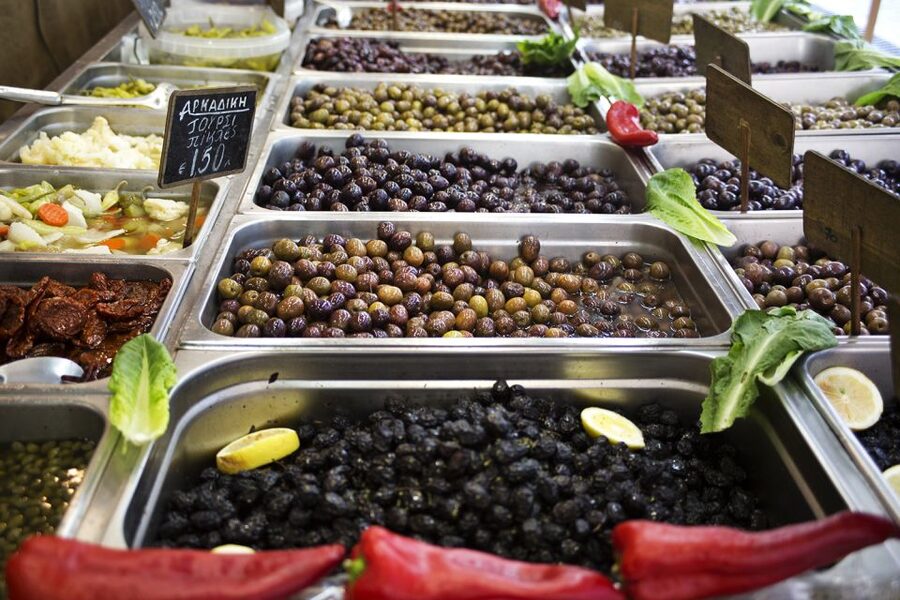
The savory meal is where many people realize how much food is included. You may receive a local organic meat dish, or, if you are feeling adventurous, fried snails. Snails are a traditional Cretan food enjoyed by many locals, though they are not for everyone.
You do not need to force yourself to try something you dislike. The tour presents the option as a way to understand a local favorite, not as a test of courage. If you eat meat, this is a good chance to try a preparation you may not encounter at standard tourist restaurants.
The final meal may include a large mezze spread, with small portions of several savory dishes, bread, cheeses, and other local specialties. This is not a light tasting. People regularly finish the walk feeling full, so plan your next meal for later in the evening.
Vegetarian options are available, but you must request them when booking. That is especially important for the meat course and the final meze. Participants under 18 receive non-alcoholic drinks, while alcoholic beverages are reserved for those aged 18 and older under Greek regulations.
Cretan wine and a Bronze Age tradition
The final stop lasts about an hour and takes place in a family-run shop. Here you taste local Cretan wines, tapas, and possibly raki or another local spirit.
Crete’s winemaking tradition reaches back to the Bronze Age, so wine is not an afterthought on this island. The tasting gives you a way to connect modern bottles with old agricultural practices and local grape growing.
The wine portion is social and substantial. It is a good time to ask about the wines you are drinking, how they are made, and what kinds of Cretan food pair well with them. The tapas turn the tasting into a proper closing meal.
Use some restraint if you have plans afterward. The combination of wine, raki, and a full day of samples can catch up with you, especially in warm weather. The guide can also recommend places to eat and drink during the rest of your stay.
Finishing at Rocca a Mare Fortress
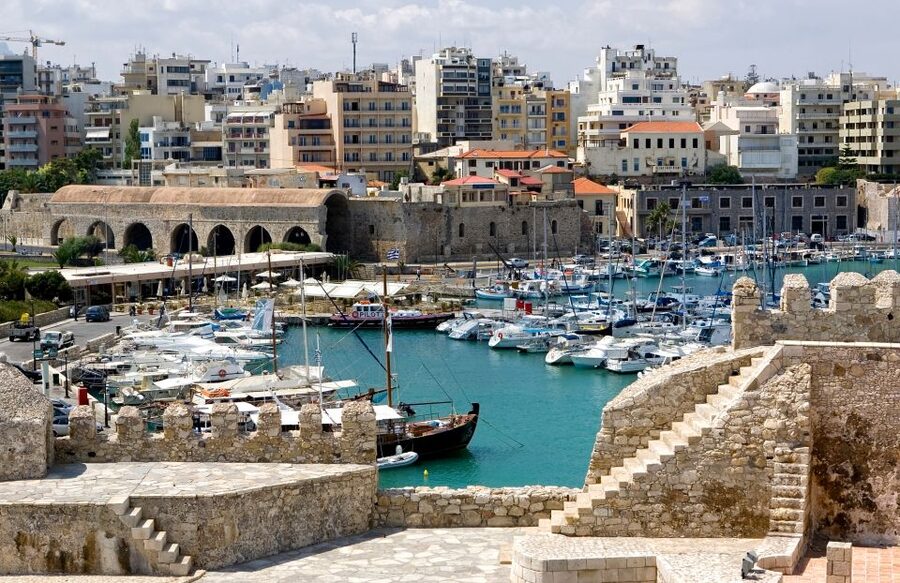
The walk ends at Rocca a Mare Fortress, near the harbor. Finishing here gives you a useful orientation point for continuing your afternoon.
You can ask the guide what else to see, do, and eat before saying goodbye. The advice is one of the tour’s real advantages. Guides have suggested restaurants, shops, and places beyond Heraklion, which can help you avoid spending the rest of your trip guessing from menus outside the center.
Because the tour begins near the Archaeological Museum and ends by the harbor fortress, it also works as a gentle introduction to the city’s central sights. It is not a dedicated monument tour, and you should not expect long guided visits inside every attraction. Think of it as a food walk with cultural stops.
Who will enjoy this tour most
I would choose this experience early in a Heraklion stay. You get restaurant ideas, food vocabulary, market tips, and a better sense of which local products deserve your attention.
It suits you especially well if:
- You want a broad sample of Cretan food in half a day.
- You prefer local shops and neighborhood businesses to tourist-focused restaurants.
- You enjoy walking and can manage four hours on city streets.
- You want history and culture included, but do not want a formal sightseeing lecture.
- You are comfortable trying unfamiliar food, including snails if offered.
- You like small-group conversation and meeting other people over shared plates.
It is less suitable if you want a private culinary class, a fixed sit-down lunch, or a short tasting with minimal walking. The exact food selection can change, and the tour is built around variety rather than one carefully staged meal.
Comfortable shoes are essential. There is no hotel pickup or drop-off, and extra food, drinks, and personal purchases are not included. The advertised price covers the planned samples, not anything you decide to buy at the market or order afterward.
Is $114 a fair price?
For a simple walking tour, $114 is a serious price. For four hours with eight food and drink stops, a full range of tastings, a local English-speaking guide, market visits, cultural commentary, and a closing meze and wine session, the value is easier to see.
You are paying for access and judgment as much as for the food. A guide brings you to family businesses and local-favorite stops that you might not identify on your own. You also receive help understanding what to order later, how to select cheese and olive oil, and where to continue eating.
The best value comes if you treat the tour as both lunch and an orientation to Heraklion. If you are already planning a large midday meal, the price may feel less worthwhile. If you replace lunch, dinner advice, market guidance, and several independent tastings with one well-planned walk, it makes better financial sense.
Free cancellation is available up to 24 hours before the start, and you can reserve while paying later. Check the available start time when booking, since the standard meeting time is 11:00 AM.
Should you book the Heraklion Food Tastings Walking Tour?
I would book this tour if you want to understand Cretan food through the people who make, sell, and eat it. The strongest part is the combination of generous tastings and personal guiding, especially when led by someone such as Eva or Margarita, who can connect the plates to local customs and the city around you.
Book it early, arrive hungry, wear good shoes, and request vegetarian food in advance if needed. Skip it only if you dislike group walking, prefer a formal restaurant meal, or want a tightly controlled menu with no surprises.
For most food-minded visitors, this is a useful and enjoyable way to get your bearings in Heraklion, and the final glass of local wine is a fitting finish.
FAQ
How long does the Heraklion food tour last?
The tour lasts four hours, with tastings and cultural stops spread through the walk from Eleftherias Square to Rocca a Mare Fortress.
Where does the tour begin?
Meet at 11:00 AM next to the statue of a soldier in the middle of Eleftherias Square. The square is near the Archaeological Museum and opposite the Astoria Hotel. Look for the Crete Local Adventures sign.
Where does the tour finish?
The tour finishes at Rocca a Mare Fortress near Heraklion’s waterfront.
Is the tour conducted in English?
Yes. The tour includes a live English-speaking local guide.
What food and drinks are included?
Included samples can feature Greek coffee, rusks, olives, cheeses, pastries, traditional sweets, olive oil, meats, local wine, and local spirits. The tour may also include fried snails.
Are vegetarian options available?
Yes. Vegetarian options are available, but you need to specify this when booking.
Can children join the wine and spirit tastings?
Participants under 18 are provided with non-alcoholic beverages. Alcoholic drinks are available only to participants aged 18 or older under national restrictions.
Just added around Crete
- Knossos palace (Last minute booking – Skip The Line Ticket)★ 4.5 · 3 reviews
- Crete: Knossos Palace & Heraklion City Tour★ 3.5 · 3 reviews
- Cooking Class & Greek Night Experience★ 5.0 · 3 reviews
- Full-Day Tour:Lasithi Plateau -Mythology Park&Knossos Palace★ 3.0 · 3 reviews
- Chania: Private Guided Food and Wine Walking Tour with Lunch★ 5.0 · 3 reviews
- Knossos: Knossos Private Guided Tour★ 5.0 · 3 reviews
- Individual travel accompaniment East Crete★ 5.0 · 3 reviews
- Chania: Knossos Palace – Archaeological museum!★ 3.4 · 3 reviews
Walking Tours, compared.
Knossos Palace Skip-the-Line Guided Walking Tour
Read our review →
PRIVATE Walking Tour with Lunch and Wine Tasting by a Sommelier
Read our review →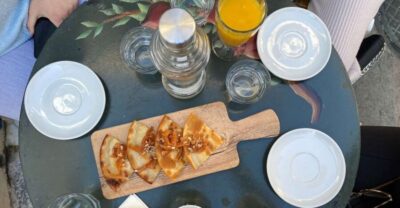
Knossos Palace Guided Walking Tour (Without Tickets)
Read our review →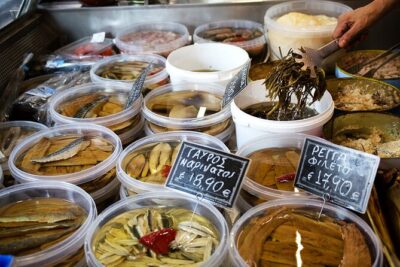
Heraklion Food Stories Walking Tour with 8 local-favorite stops
Read our review →Browse the lists this tour appears in