
Reviewed · CRETAN WINE TOURS
“YAMAS” – Winery tour &wine tasting
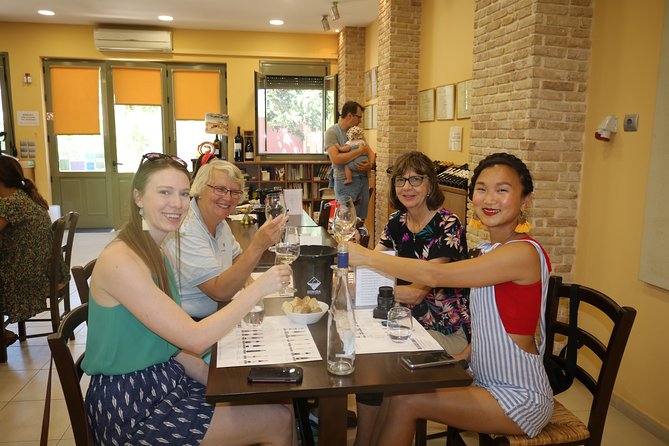
The most interesting part of this Crete winery visit is its focus on local grapes, especially Vidiano and Liatiko, rather than treating Greek wine as one broad category. You see how Douloufakis uses amphorae, barrels, and modern equipment, then taste six estate wines in the cellar.
I like the clear production tour and the chance to taste both Cretan and international grapes side by side. I also like that guides such as Georgios and Catarina explain how to taste wine, not just what is in your glass. The main drawback is practical: you must arrange your own way to Dafnes, and the advertised tasting is fairly brief at about 80 minutes.
In This Review
- Key points to know before booking
- Why this small winery visit is worth your time
- Arriving at Douloufakis Winery in Dafnes
- Touring the production area before the tasting
- Six wines, two local grapes, and several styles
- Cretan rusks and the question of extra food
- What makes the Cretan grapes useful to learn about
- The guides are central to the experience
- How the timing fits a Crete itinerary
- Who should book this winery tour
- Should you book Douloufakis Winery?
- FAQ
- Where does the wine tasting take place?
- How long does the experience last?
- How many wines are included?
- Which types of wine will I taste?
- Is transportation included?
- Is food included with the tasting?
- Can I cancel for a full refund?
Key points to know before booking
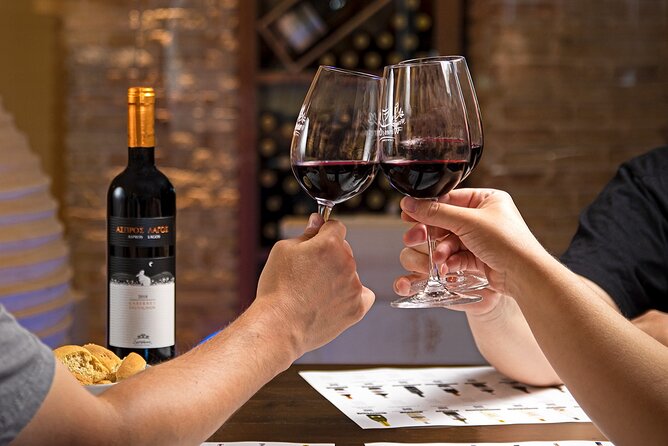
- Six wines are included: Each pour is 60 ml, with white and red styles represented.
- Local grapes take center stage: Vidiano and Liatiko give the tasting a strong Cretan identity.
- The winery tour comes first: You visit the production area and learn about fermentation, barrels, amphorae, and bottling.
- Georgios and Catarina add a personal touch: Both guides are noted for clear explanations and warm hosting.
- Cretan rusks are provided: You can also ask about food options such as a charcuterie board, which has been available on some visits.
- You need your own transport: The meeting point is Douloufakis Winery in Dafnes, about 30 minutes by taxi from Heraklion according to one account.
Why this small winery visit is worth your time
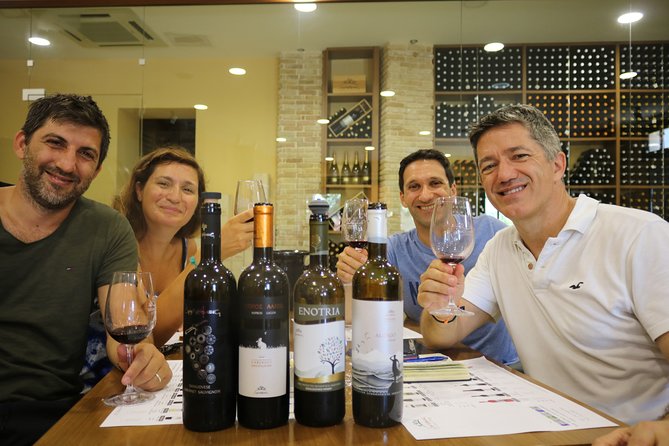
Crete has a wine culture that can be easy to miss if your trip centers only on beaches, ruins, and mountain villages. A tasting at Douloufakis Winery gives you a useful introduction to the island through its grapes and farming traditions.
The key benefit is focus. Instead of simply sampling generic Greek wine, you learn why indigenous grapes matter. Vidiano is often associated with fragrant, fresh white wines, while Liatiko is a local red grape with its own character. The exact bottles served can change, but the format is designed to show a range of styles from the estate.
At $36.20 per person, the price is reasonable if you value instruction as much as the wine itself. You are not paying only for six glasses. The fee includes the guided production-area tour, six 60 ml pours, water, and Cretan rusks. That is a useful amount of wine for a short tasting, particularly if you are also driving later and want to keep portions moderate.
The price becomes better value when the guide takes time with your questions. Georgios has been praised for explaining both Cretan winemaking and the mechanics of tasting, while Catarina is described as friendly, clear, and engaging. The strength of this visit is the human side: you get someone to explain what you are smelling and tasting instead of being left with a flight of unidentified glasses.
More Crete wineries worth an afternoon:
- From Chania: Olive Oil, Wine, Cheese & Honey Tasting Tour
★ 4.6 · 490 reviews - Crete: Land Rover Safari with Sunset Viewing, Dinner, & Wine
★ 4.9 · 395 reviews - From Chania: Wine and Olive Oil Tasting Tour with Snacks
★ 4.8 · 354 reviews
Arriving at Douloufakis Winery in Dafnes
The winery is in Dafnes, at 700 11, Greece. Transportation is not included, so your day needs a little planning. If you are staying in Heraklion, a taxi ride can take less than 30 minutes, though you should allow extra time for traffic and arrange your return as well.
If you plan to drive, remember that the tasting includes six wines. The sensible choice is to nominate a driver or use a taxi. This is not a tour with included transfers, so do not assume that booking the tasting solves the transport question.
The meeting point is also the end point. That makes the visit simple once you arrive, but there is no broader sightseeing route attached to it. You are going to one winery, touring its facilities, tasting its wines, and then leaving from the same place.
The activity is offered in English. Confirmation is sent when you book, and the group can be as large as 40 people. That maximum is not the same as a small private tasting, so the feel may depend on the number booked that day. If personal attention matters to you, arriving prepared with a few questions is a good idea.
Touring the production area before the tasting
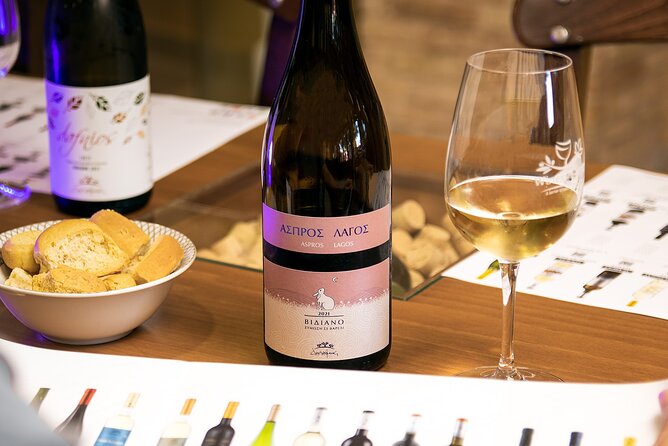
The visit starts with a guided look at the winery’s production area. This is the part that gives the glasses on the table some context.
You learn about the winemaking process, including the use of amphora fermentation and barrel fermentation. Those methods are not just decorative talking points. They help explain why two wines made from different grapes, or even from the same grape, can taste quite different. Fermentation vessels and aging choices affect texture, aroma, weight, and the way a wine develops.
You may also see the bottling plant. This detail has made the tour particularly interesting for people who enjoy seeing the practical side of wine production. A bottling line is less romantic than a vineyard view, but it answers useful questions: how wine moves from tank or barrel into a bottle, how a working winery handles production, and how the final product reaches the shelf.
Some visits have included a look at a vineyard as well as the winery buildings. The standard description centers on the production area and cellar, so you should not book this expecting a full vineyard walk every time. Still, the connection between grapes, soil, local climate, and winemaking is part of the explanation.
I appreciate this order. Tasting first can make the wine seem like a list of flavors. Seeing the production area first gives you a framework. When you later taste a wine made with a local grape or aged in a particular way, you have something concrete to connect it to.
Six wines, two local grapes, and several styles

The tasting includes six estate wines, with 60 ml poured for each one. That is enough to compare the wines without turning a short visit into an afternoon of heavy drinking.
The selection includes both white and red wines. The local varieties are the main attraction, particularly Vidiano and Liatiko. International grape varieties are also included, which gives you a helpful reference point. If you already know wines made from international grapes, you can use those glasses as a familiar baseline while considering how Cretan grapes differ.
The tasting is held in the cellar. That setting can make the session feel connected to the working winery rather than like a retail counter. The guide explains the grapes, the character of the wines, and the role of Cretan vineyards.
A good guide will also show you how to taste properly. Georgios has been singled out for explaining the process clearly and answering questions. Catarina has also been praised for making the subject approachable. You do not need previous wine knowledge. The point is to give you a few useful habits: look at the wine, smell it, take a small sip, and notice how the flavor changes.
The official format is six wines. A few past visits have included eight wines or allowed some choice in the bottles tasted. Treat that as a possible variation, not a promise. The selection may depend on the day, the staff, or the current stock. If you have a particular Douloufakis label in mind, ask before the tasting begins.
Same island, a completely different day out:
- From Kissamos Port: Boat Cruise to Balos Lagoon & Gramvousa
★ 4.2 · 6,755 reviews - Crete: Day Trip to Agios Nikolaos and Spinalonga Island
★ 4.6 · 4,416 reviews - From Chania: Full-Day Samaria Gorge Trek Excursion & Guide
★ 4.6 · 3,191 reviews - Agios Nikolaos: Boat Trip to Spinalonga with Swim Stop
★ 4.4 · 3,031 reviews
Cretan rusks and the question of extra food
Cretan rusks are included. These hard, dry breads are a classic island food and make sense with wine because they give you something plain and crisp between samples.
Some tastings have also included a larger local platter with smoked meats, cheeses, fava beans, honey, and other regional products. That is not listed as part of the standard inclusion, so do not assume it comes with the $36.20 booking. If food matters to you, ask the winery about a charcuterie option before arrival.
This is more than a comfort issue. Food changes how wine tastes, especially with reds and wines that have stronger acidity. A rusk cleans up the palate, while cheese, cured meat, or honey can make a wine seem softer, fuller, or more aromatic.
I would not book this as a full meal. The included rusks are a light accompaniment, and the core activity is the wine and instruction. Plan another meal before or after unless you have confirmed that a larger food board is available.
What makes the Cretan grapes useful to learn about
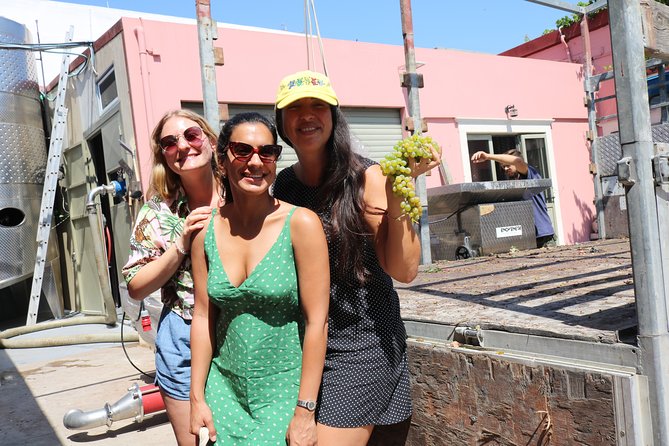
Wine tasting is most useful when it teaches you something you can use later. Here, the local varieties give you that chance.
Vidiano provides a way to understand one of Crete’s best-known white grapes. You may find it presented in more than one style, depending on the bottle and production method. The tasting gives you a chance to compare its character with international whites without needing to visit several producers.
Liatiko brings the red side of the island into the picture. It is an indigenous Cretan grape, and tasting it alongside international reds helps you spot differences in aroma, body, and finish. You may not leave able to identify every local variety blind, but you should have a better idea of what to look for when ordering wine elsewhere in Greece.
This is also where the guide matters. A label tells you the grape and vintage, but a good explanation connects the wine to the place. The staff can help you understand how Cretan vineyards and traditional methods fit with modern winery equipment.
If you enjoy wine but dislike formal lessons, the short duration works well. You get useful information without giving up half a day. If you are already an experienced wine buyer, you may want to ask more detailed questions about fermentation, aging, and individual labels to get the most from the visit.
The guides are central to the experience

The strongest feature here is the staff. Georgios is described as warm, entertaining, and able to explain Cretan wine and its background in clear terms. Catarina is also noted for her friendly manner and ability to make the tasting easy to follow.
That matters because winery tours can vary widely. Some are mostly a walk through rooms followed by a set of glasses. Here, the guide is expected to explain how to taste and respond to questions. You can ask about the local grapes, the reasons for using amphorae or barrels, and the differences between the wines in your flight.
The tone appears relaxed rather than stiff. You do not need to arrive with a list of technical wine terms. At the same time, people with a serious interest in wine should find enough material to make the visit worthwhile, especially if they ask about production choices.
The group limit of 40 people is worth noting. That is a sizable maximum for a tasting, so this may not feel like a private appointment. The quality of the session will depend partly on how many people are booked and how the guide manages the room.
How the timing fits a Crete itinerary
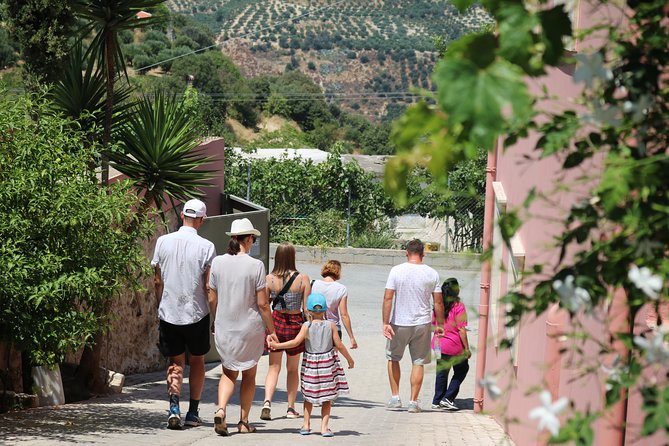
The listed duration is about one hour and 20 minutes. That makes it easy to fit into a day based in Heraklion or a wider visit to the central part of Crete.
Do not read the short duration as a rushed ten-minute sample. The plan allows time for the production tour and six tastings, but it is still a compact activity. You will not spend hours wandering among vineyards or taking a full food-and-wine course.
The appointment works especially well in the afternoon, provided you have a safe ride back. It can also serve as a focused stop during a day exploring the Dafnes area. Since no transport or additional sightseeing is included, build your wider route separately.
The winery is booked an average of 21 days ahead, which suggests that advance planning is wise during busy periods. Confirmation arrives at booking, and free cancellation is available if you cancel at least 24 hours before the start time. A late cancellation or late change is not refunded, and the activity can be moved or refunded if the minimum number is not reached.
Who should book this winery tour
I would recommend this visit to you if you want an introduction to Cretan wine without committing to a full-day food tour. It suits couples, small groups of friends, and anyone staying in or near Heraklion who can arrange transport to Dafnes.
It is also a good choice if you have already tasted Greek wines but want to understand local grapes more clearly. The mix of indigenous and international varieties gives you a useful comparison.
Families can participate, and service animals are allowed. Most people can take part, but the activity is still centered on alcohol, so it is not the best pick if wine is only a minor interest in your group.
You should think twice if you need included hotel pickup, a full meal, or a private tasting. None of those is part of the stated package. The six pours and light snack make this a focused winery appointment, not a complete day out.
Should you book Douloufakis Winery?
Book it if you want local grapes, clear instruction, and a working winery visit at a fair short-tour price. The combination of Vidiano, Liatiko, production details, and six measured pours gives you more substance than a simple bar tasting.
I would especially choose it if you are based in Heraklion and can arrange a taxi or a designated driver. Ask in advance whether a larger food board is available, and confirm which wines are being poured if you have specific labels in mind.
Skip it if transport is a major problem or if your group wants a long vineyard day with a substantial meal. For everyone else, Douloufakis offers a practical, friendly way to get beyond the usual beach-and-ruin version of Crete and taste the island through its wine.
FAQ
Where does the wine tasting take place?
The experience takes place at Douloufakis Winery in Dafnes, Greece. The meeting address is Dafnes 700 11, Greece.
How long does the experience last?
The stated duration is approximately one hour and 20 minutes.
How many wines are included?
The standard tasting includes six wines. Each portion is 60 ml.
Which types of wine will I taste?
The selection includes both white and red wines, including Cretan grapes such as Vidiano and Liatiko, along with international varieties.
Is transportation included?
No. You must arrange your own transportation to and from the winery.
Is food included with the tasting?
Cretan rusks and water are included. Larger food options, such as a charcuterie board, are not listed as standard inclusions.
Can I cancel for a full refund?
Yes. You can cancel at least 24 hours before the start time for a full refund. Changes or cancellations made less than 24 hours before the start time are not accepted or refunded.
Just added around Crete
- Crete: Knossos Palace & Heraklion City Tour★ 3.5 · 3 reviews
- Knossos palace (Last minute booking – Skip The Line Ticket)★ 4.5 · 3 reviews
- Cooking Class & Greek Night Experience★ 5.0 · 3 reviews
- Full-Day Tour:Lasithi Plateau -Mythology Park&Knossos Palace★ 3.0 · 3 reviews
- Chania: Private Guided Food and Wine Walking Tour with Lunch★ 5.0 · 3 reviews
- Knossos: Knossos Private Guided Tour★ 5.0 · 3 reviews
- Individual travel accompaniment East Crete★ 5.0 · 3 reviews
- Chania: Knossos Palace – Archaeological museum!★ 3.4 · 3 reviews
Cretan Wine Tours, compared.

Land Rover Safari with Sunset Viewing, Dinner, & Wine
Read our review →
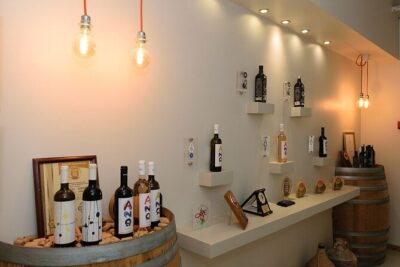
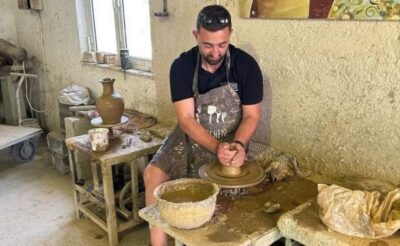
Full-Day Cretan Wines, Olive Oil, Raki and Food Tour
Read our review →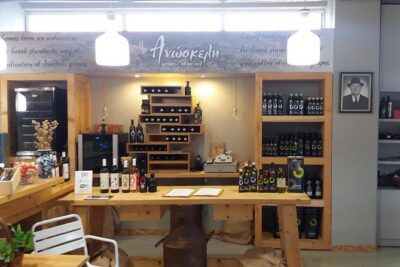
Wine & Olive Oil Tour with Lunch at Milia Mountain Retreat
Read our review →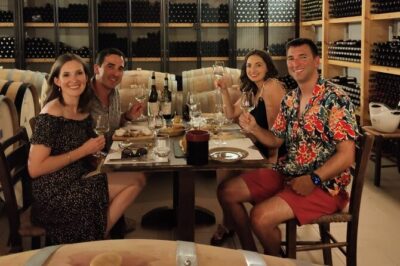
Heraklion SUV Private Guided Wine Tour with Lunch
Read our review →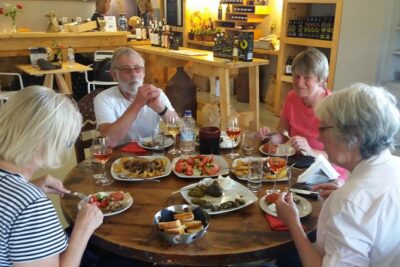
Wine & Olive Oil Tour with Lunch – Semi Private Safari Tour
Read our review →Browse the lists this tour appears in