
Reviewed · HISTORICAL TOURS
From Chania: Crete World War II History Tour
The most moving part of this tour is how it turns the Battle of Crete from a distant chapter of WWII into something you can place on the ground. From Maleme’s airfield and Hill 107 to Tavronitis Bridge and Galatas, you see the ground where the invasion and resistance unfolded, rather than simply hearing a list of dates.
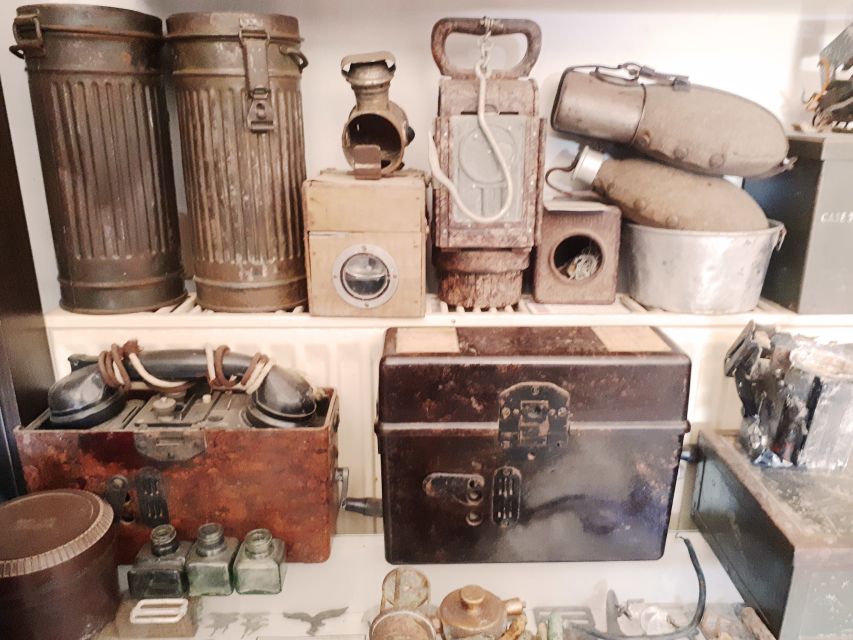
I like the use of old maps, photographs, and wartime objects, especially during the visits to small museums and a private collection. I also like the respectful stop at the German and Allied war cemeteries, which gives the day a quiet, human ending. The main drawback is the pace: six hours covers a lot, and the usual plan may include only one comfort stop, with no full restaurant lunch.
In This Review
- Key points to know before booking
- Why Crete’s WWII story makes sense on location
- Maleme and the view over the airfield
- Tavronitis Bridge and the physical traces of battle
- Galatas and the battle’s wider human cost
- Shelters, museums, and the private collection
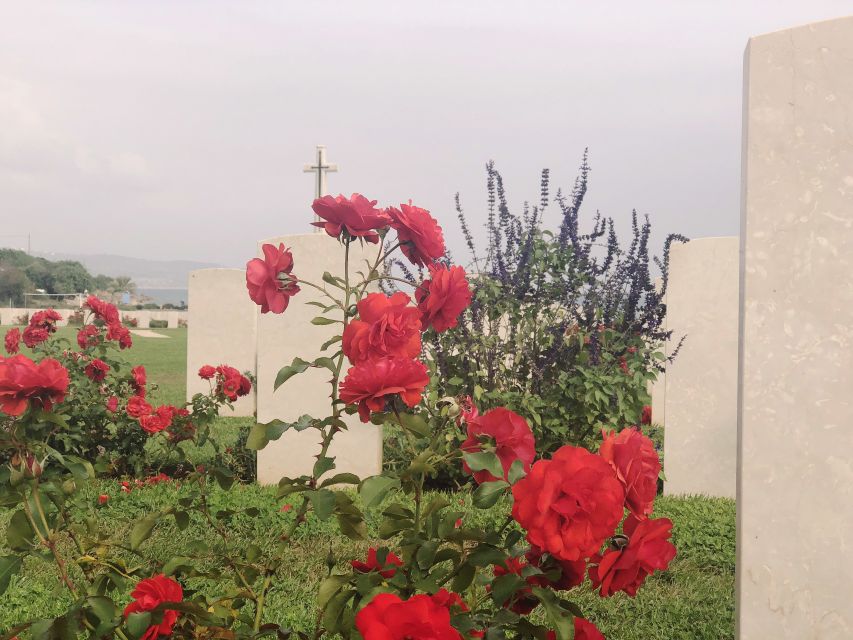
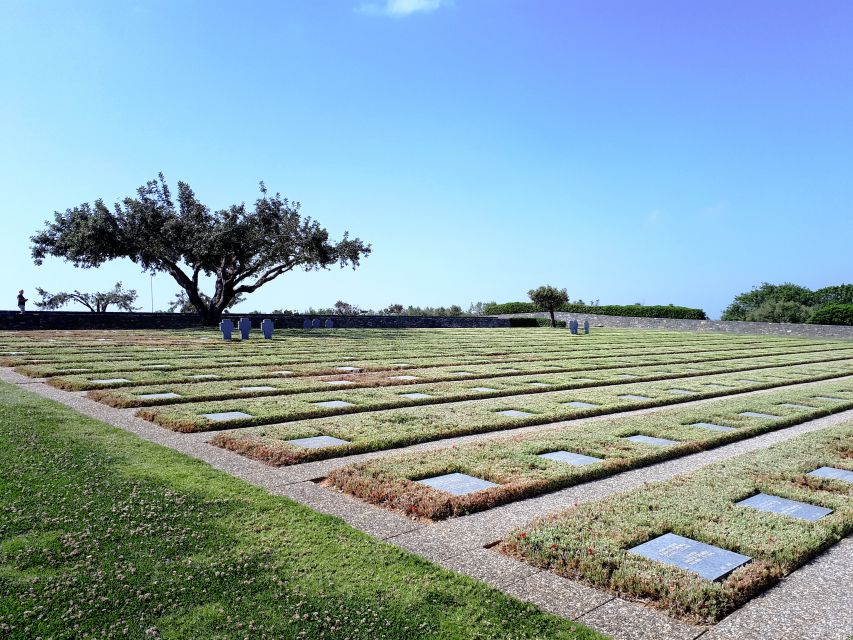
- The German and Allied war cemeteries
- Guides who make the difference
- Six hours, small groups, and the food question
- Who should book this Crete history tour?
- Should you book the Battle of Crete tour?
- FAQ
- How long does the Crete World War II History Tour last?
- Where does the tour depart from?
- What languages are available?
- Which WWII sites are included?
- Is food included?
- What should I bring?
- Can I cancel the booking?
Key points to know before booking
- Maleme puts you above the first German landing zone: See the airfield from above and connect the view to Operation Mercury.
- Tavronitis and Galatas add battlefield detail: Bridges, hills, monuments, and surviving traces help explain troop movements.
- Maps and photographs make the story easier to follow: Guides such as Yannis and Babis use visual material instead of relying on dates alone.
- A private collection may be the day’s most personal stop: Expect wartime relics and stories tied to objects found around Crete.
- The cemeteries call for time and quiet: The German and Allied burial grounds offer a thoughtful close to the tour.
- Plan for a long day on your feet: Wear comfortable shoes and ask about an extra restroom stop if you need one.
Why Crete’s WWII story makes sense on location
This is not a general sightseeing trip with a few war memorials added along the way. The whole day is built around the military story of Crete and its place in the wider war.
Your guide first sets up the events that led to the invasion. You hear about the Greek-Italian War of 1940, the pressure on Greece, and the conditions that led Hitler to launch Operation Mercury, the German airborne assault on Crete.
That opening matters because the Battle of Crete did not happen in isolation. The tour explains how the fighting affected Greece and southeast Europe, then shows how the island’s resistance helped lift Allied morale at a difficult stage of the war.
The story is also presented from a Cretan point of view. You hear about the partisans, local civilians, and the British, Australian, and New Zealand troops who fought or worked to escape the occupation. This wider view keeps the tour from becoming only a German-versus-Allied military account.
I would choose this experience if you want a clear introduction to the Battle of Crete, but it also works for people who already know the basic outline. The real value is the connection between the names on a map and the actual villages, bridges, slopes, and roads around Chania.
A few more Chania half-days to weigh up
- Chania Battle of Crete Private Tour: WW2 Military History
★ 5.0 · 16 reviews - From Kissamos: Private Boat Cruise to Historic Pirate Island
★ 4.8 · 5 reviews - Chania: Battle of Crete and WW2 History Tour with Bunkers
★ 5.0 · 4 reviews
Maleme and the view over the airfield
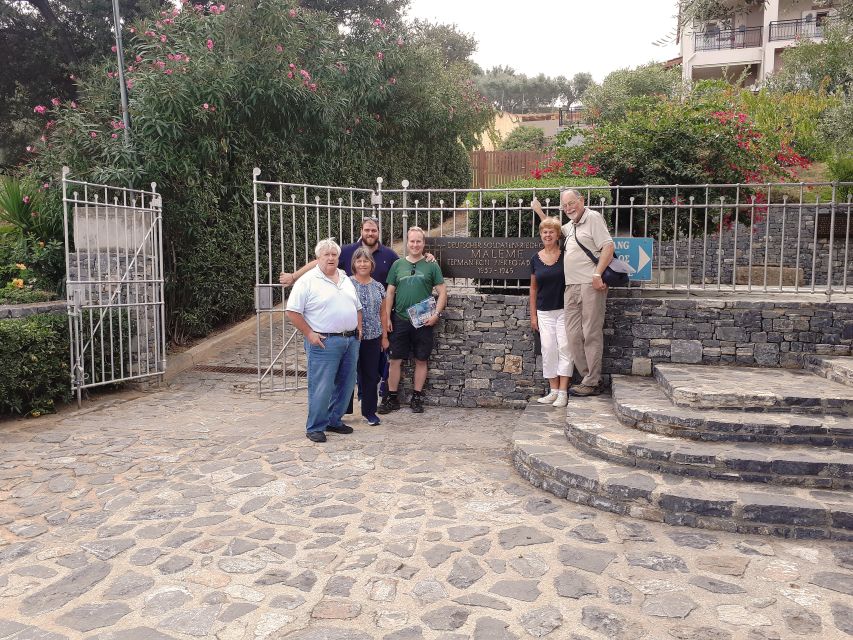
Maleme is one of the key stops because German paratroopers first landed here. Seeing the airfield from above gives you a useful sense of the area before the guide fills in the tactical details.
The view helps explain why this stretch of coast mattered. You can begin to understand how control of the airfield affected the wider German operation and why the early fighting around Maleme became so important.
This is also a good place to ask questions. A strong guide can use the terrain to explain movement in a way that a museum display cannot. Yannis, also spelled Yonis or Gyannis in some accounts, has been praised for making the battle easy to follow with maps and old photographs. Babis is another guide associated with the tour, and his explanations have been described as clear, warm, and well organized.
Maleme itself is a pretty village, which creates an interesting contrast. The setting may look peaceful now, but the tour asks you to picture the confusion and violence of the landing and the occupation. That contrast is one of the reasons a site visit carries more weight than reading about the event back in Chania.
Tavronitis Bridge and the physical traces of battle
At Tavronitis Bridge, the focus shifts from the broad view to a more specific piece of battlefield ground. The bridge and nearby remains help you understand how the invading force tried to secure routes and key positions.
This part of the tour is useful for people who find military history hard to picture. Instead of hearing that troops moved through a certain area, you can look at the terrain and see why a bridge, road, or raised position mattered.
The tour also points out war remnants at monuments and battle sites along the route. These may not be large attractions with polished displays. That is part of the appeal. You are looking at fragments and locations that have survived within ordinary Cretan surroundings.
I would keep your expectations realistic here. The importance comes from the guide’s explanation, not from a grand visitor center at every stop. Without the maps, photographs, and spoken account, some remains could seem modest.
Galatas and the battle’s wider human cost
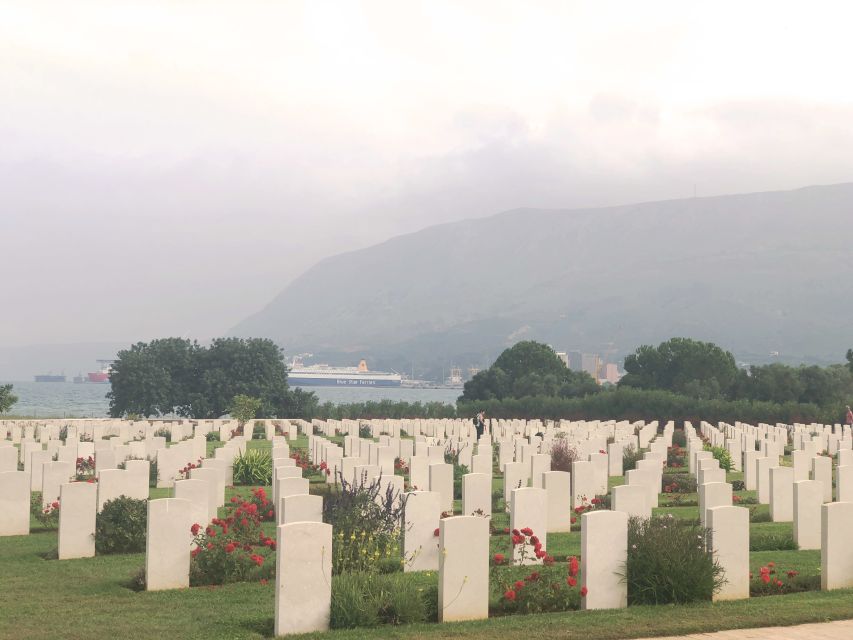
The visit to Galatas adds another major setting to the day. Here, your guide explains the Battle of Galatas and how the fighting developed across the area.
The itinerary is designed to build a picture step by step. Maleme shows the first landing area. Tavronitis helps explain movement and access. Galatas then broadens the story to another key front, showing that the battle was spread across several locations rather than decided at one famous point.
This is where a good guide makes a real difference. The strongest accounts of the tour describe the battle being explained in a logical order, with maps and photos used to show troop positions and changes over time. That approach is especially helpful if you arrive knowing little about the campaign.
You also hear about resistance during the occupation. The role of Cretan partisans and the help given to British, Australian, and New Zealand forces add a local dimension that many basic WWII tours miss. These stories show that the island was not simply a backdrop for armies from elsewhere.
Expect several short visits rather than one long walk. The exact amount of time at each place can vary, and the full day includes enough driving and explanation that you should wear sensible shoes and bring your attention span.
Same island, a completely different day out:
- From Kissamos Port: Boat Cruise to Balos Lagoon & Gramvousa
★ 4.2 · 6,755 reviews - From Chania: Full-Day Samaria Gorge Trek Excursion & Guide
★ 4.6 · 3,191 reviews - Cretan Safari – 4×4 Adventure to Preveli Beach with Lunch
★ 5.0 · 780 reviews - Elafonissi Beach Day Trip from Chania -Stop in Elos Village
★ 4.5 · 744 reviews
Shelters, museums, and the private collection
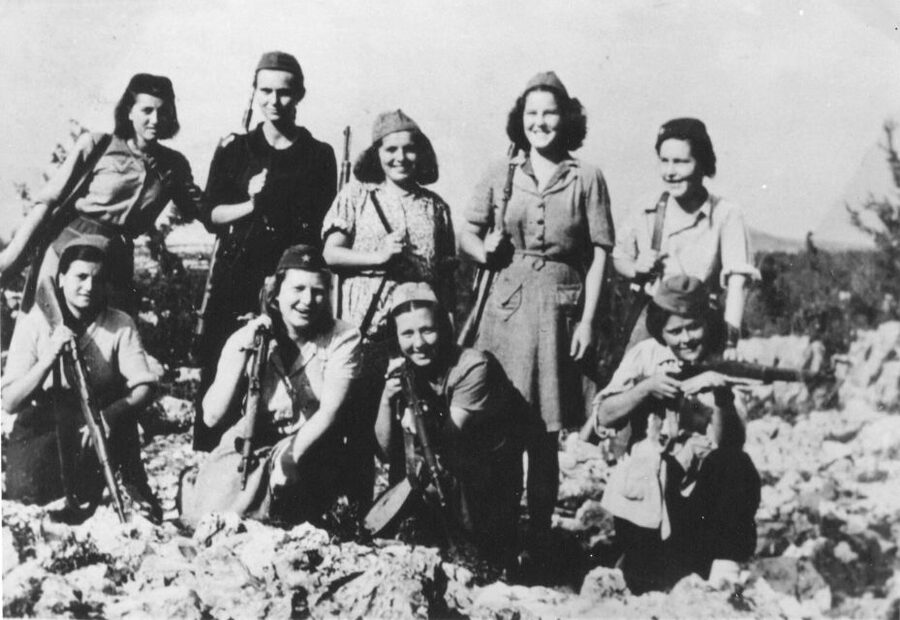
The small museums and secret shelters are among the more unusual parts of the route. They take the story away from the best-known battlefield names and toward the less visible side of the war.
A shelter can make the occupation feel more immediate. It shows how people tried to hide, survive, and protect others while the military campaign changed the island around them. The tour description does not promise a single fixed shelter or museum format, so expect these stops to depend on the day’s route and local arrangements.
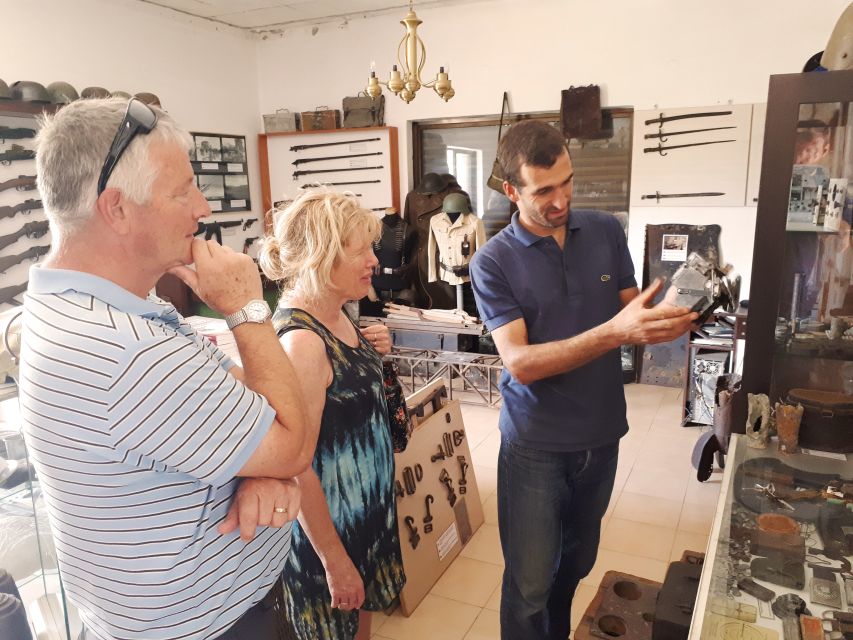
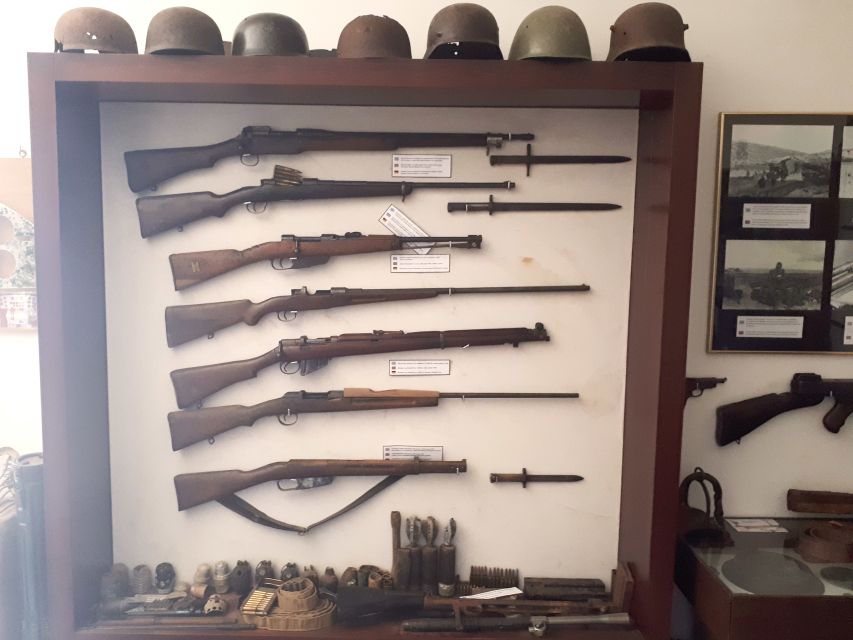
One especially memorable possibility is a visit to a private collector. The collection includes WWII items found in the local area, and the collector explains the story behind the objects. Past guests have described seeing artifacts up close and hearing where particular items were discovered.
This is valuable because the objects are tied to Crete itself. They are not just anonymous pieces in a large national display. At the same time, the visit can take longer than expected if every item receives a full explanation. If you prefer a brisk schedule, this is worth keeping in mind.
The collection may also be in the process of being expanded or more fully displayed. That means the experience can feel personal and informal rather than like a finished museum visit. I would treat that as part of its character, not expect a polished exhibition with a fixed audio guide.
The German and Allied war cemeteries
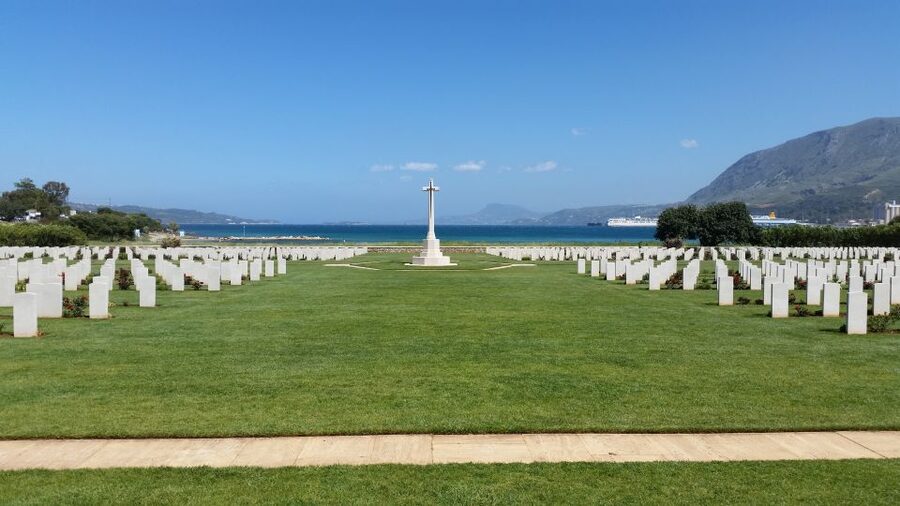
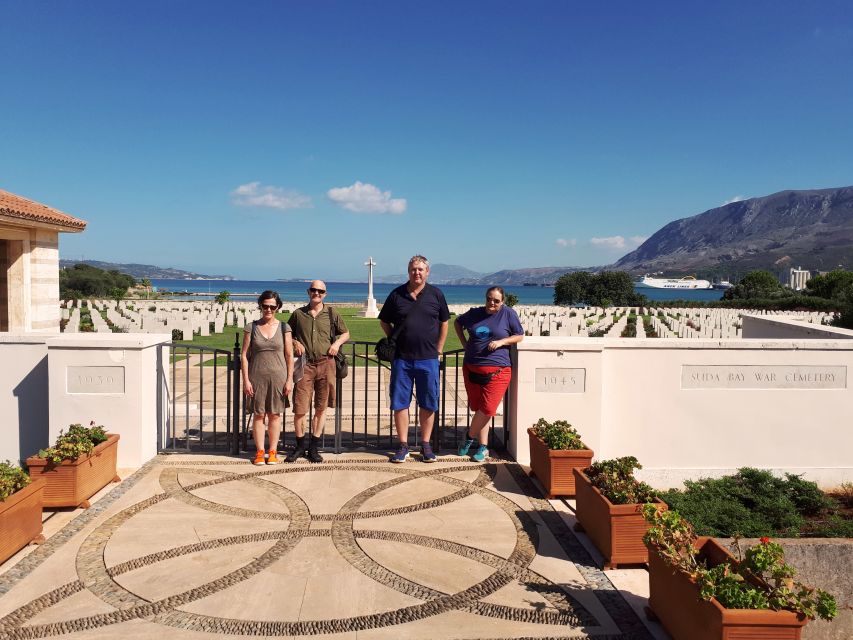
The cemeteries provide the day’s quietest and most reflective moments. You visit burial grounds for German and Allied forces and see how the opposing sides are remembered.
The Allied cemetery, including the Commonwealth graves associated with the route, is carefully maintained. The German cemetery is presented with equal care, and the wording there is notably restrained and sensitive to the tragedy of the conflict.
These stops are more than formal memorial visits. They bring the scale of the battle down to individual lives. Names, ages, and rows of graves can make the cost of the fighting clearer than a military map ever can.
If the cemetery is your main reason for booking, tell the guide early. One itinerary may not provide as much time at the Allied cemetery as a family member hopes for, especially if the day is running short. The tour covers several sites, so the schedule can feel tight near the end.
That is the one part I would monitor closely. The cemeteries deserve time without being rushed, particularly if you are visiting in memory of a relative who fought in Crete. Ask at the start how long the cemetery visits are expected to last.
Guides who make the difference
The tour uses an English-speaking driver-guide and a local guide, with English and Greek available. In practice, guides named Yannis and Babis have received the strongest praise for their command of the subject and their considerate manner.
Yannis is often described as passionate and clear, with maps and old photographs that make the battle easier to track. Babis is noted for a friendly style and for taking care with guests who have mobility concerns. You may not be assigned a particular guide, so it is best to view those names as examples of the team rather than a guarantee.
The guide’s role is especially important because many of the sites are open locations rather than large museums. You need someone who can explain what happened, why the position mattered, and how the pieces fit together.
The best version of the tour is not a flood of military terms. It is a story with a beginning, a sequence of events, and a clear explanation of the outcome. That is what the tour aims to provide.
Six hours, small groups, and the food question
The listed duration is six hours, but some past outings have run closer to six and a half hours. Older descriptions or personal schedules may also show seven hours, so allow a little flexibility rather than planning a tight appointment immediately afterward.
Pickup and drop-off are included from specific locations in the Chania region. This is important: the tour only departs from the Chania region, so you should confirm that your accommodation falls within the service area before booking.
Transport is by air-conditioned minivan. That matters in Crete’s summer heat, and one outing took place in temperatures around 34 C. The van also reduces the effort of reaching several sites in one day.
The small-group format suits this subject well. You can usually hear the guide, ask questions, and move through the stops without the feel of a large coach excursion. It also allows the guide to make small adjustments, such as an extra supermarket or restroom stop when requested.
A snack and bottle of water are included, and a local bakery lunch snack may be provided. Do not count on a sit-down meal. One of the clearest practical criticisms is the lack of a standard lunch break and the limited number of comfort stops.
I would eat before pickup and carry extra water if you need it. Ask politely for another restroom stop early, rather than waiting until the final stretch. The guide may be able to help, but it should not be assumed that several scheduled breaks are built into the day.
At $111 per person, the tour is not a cheap transport loop. Its value comes from the small group, air-conditioned vehicle, entrance fees, local and driver-guide support, and access to places and material you would have trouble connecting on your own.
For a history-minded visitor, that is a fair price if the guide is strong. You are paying for interpretation and route planning as much as for transportation. If you only want scenic villages and a relaxed lunch, this is not the right use of your money or your six hours.
Who should book this Crete history tour?
I would recommend it most strongly to:
- People with a family connection to the Battle of Crete
- Visitors interested in WWII, military history, or resistance movements
- Anyone who wants a local Cretan view of the occupation
- First-time visitors who need the campaign explained in plain chronological order
- Guests who prefer a small group and guided context over independent driving
It is also a good change of pace after several days at the beach. The route includes outdoor stops, but the main activity is listening, looking closely, and asking questions.
I would be more cautious if you need frequent breaks, dislike long historical explanations, or want a flexible day with plenty of time for lunch. The tour covers a lot of ground, and the cemeteries and collection may feel less important if your interest in WWII is only casual.
Comfortable shoes are required in practical terms, even though the tour does not present itself as a strenuous hike. Pets are not allowed. Guests with mobility concerns should raise the issue in advance, since one guide has been praised for making the day easier for people who need extra care.
Should you book the Battle of Crete tour?
Book it if you want the battle explained through real places, local stories, maps, photographs, and surviving objects. The strongest feature is the guide-led connection between Maleme, Tavronitis, Galatas, the resistance, and the cemeteries.
Before paying, confirm your Chania pickup point, ask about the expected cemetery time, and plan your own breakfast or packed food. If those details suit you, $111 buys a serious and personal history day, not just a drive past monuments.
FAQ
How long does the Crete World War II History Tour last?
The listed duration is six hours. Some outings have lasted about six and a half hours, so allow extra time in your schedule.
Where does the tour depart from?
The tour departs only from the Chania region. Pickup and drop-off are included from specific locations within that region.
What languages are available?
The tour is available in English and Greek. It includes an English-speaking driver-guide and a local guide.
Which WWII sites are included?
The route includes Maleme, the Maleme airfield viewed from above, Tavronitis Bridge, Galatas, various monuments and battle sites, small museums, shelters, and the German and Allied war cemeteries.
Is food included?
A snack and one bottle of water per person are included. A local bakery lunch snack may be provided, but you should not expect a full restaurant meal.
What should I bring?
Bring comfortable shoes. It is also sensible to plan for the limited scheduled comfort stops and eat before pickup if you need a substantial meal.
Can I cancel the booking?
You can cancel up to 24 hours in advance for a full refund. The reserve-now, pay-later option lets you hold a place without paying immediately.
Just added around Chania
- Cooking Class & Greek Night Experience★ 5.0 · 3 reviews
- Chania: Private Guided Food and Wine Walking Tour with Lunch★ 5.0 · 3 reviews
- Chania: Knossos Palace – Archaeological museum!★ 3.4 · 3 reviews
- Chania Highlights:Venizelos, Stavros, Agia Triada & Marathi★ 5.0 · 3 reviews
- Chania: Private Tour to Balos Lagoon★ 5.0 · 3 reviews
- Your Tailored Samaria Tour That Nobody Will Believe. From Chania.★ 5.0 · 3 reviews
- Sips of Crete: Flavors, Legends & Hidden Gems★ 5.0 · 3 reviews
- Elafonisi Beach Tour★ 3.3 · 3 reviews
Historical Tours, compared.
Richtis Waterfall, History, Azoria, OliveTasting, NorthCoast
Read our review →
Heraklion Highlights: Knossos, Museum & Historic City Drive
Read our review →
Knossos Palace & Historical Heraklion City Tour, with Old Market
Read our review →
Cretan Stories – A Journey Through History and Tradition
Read our review →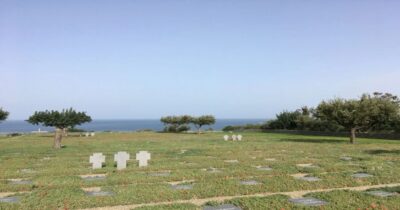
Chania Battle of Crete Private Tour: WW2 Military History
Read our review →
Small Group Eastern Crete Heritage Tour for Cruiseships
Read our review →Browse the lists this tour appears in