
Reviewed · CRETAN FOOD TOURS
Rethymno Walking & Gastronomy Tour
Rethymno’s best food stories are tucked into its old lanes, and this tour connects them over breakfast, tastings, and a generous Cretan meal. You begin with sfakianopita under the shade of the old town, watch traditional filo being made, and finish with meze in a Venetian-era courtyard. The food is substantial, not just a parade of tiny samples.
I like the small group, limited to eight, and the way the guides connect food with local customs and city history. I also like the personal touch: guides such as Nora, Michael, Vincent, Dina, Maria, Kostas, Milo, and Hara have adjusted the pace, answered practical questions, and suggested places to eat after the tour. The main consideration is timing. Some tastings are modest, and the full lunch comes later, so this is more a walking tour with a serious meal than a snack stop every few minutes.
In This Review
- Key points to know before booking
- Why this Rethymno food walk works so well
- Starting with sfakianopita in Rethymno’s old town
- Olive oil, honey, and raki at Bricks Beers & Tales
- Seeing kadaifi filo made by hand
- Lunch at Ali Vafi’s Garden
- What the guides add to the experience
- How much value do you get for $107.63?
- Who should book this walking and gastronomy tour?
- Should you book it?
- FAQ
- How long does the Rethymno Walking & Gastronomy Tour last?
- How much does the tour cost?
- What language is the tour offered in?
- How many people can join the tour?
- Where does the tour start?
- Where does the tour end?
- What food is included?
- Are drinks included?
- Is the Fortezza entrance ticket included?
- Can I cancel for a full refund?
Key points to know before booking
- A real Cretan breakfast begins the walk: Coffee or juice comes with handmade sfakianopita covered in organic thyme honey.
- The group stays small: A maximum of eight people makes it easier to ask questions and keep the tour personal.
- The filo workshop is unusual: You may see kadaifi pastry made by hand in a 17th-century Venetian mansion.
- Lunch is the main food event: Expect meze, salad, beans with smoked trout, graviera cheese, sausage, wine, raki, and other local tastes.
- History is part of the meal: The route explains Venetian and Ottoman influences on Rethymno and Cretan food customs.
- The price includes a lot: At $107.63 per person, the tour includes the guide, tastings, drinks, and a full lunch or dinner.
Why this Rethymno food walk works so well
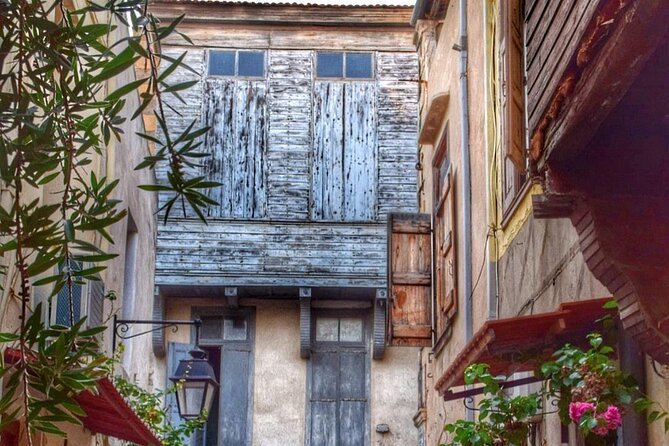
Rethymno is a good city for a food tour because its old center is compact, layered, and still filled with small businesses. Venetian buildings, Ottoman touches, quiet squares, tavernas, workshops, and cafés sit close together. You do not need a bus or a long transfer to move between the stops.
This experience uses food as a way to explain Crete. Olive oil is not treated as a simple condiment. Honey is tied to local farming and flavor. Raki, also called tsikoudia, appears as part of Cretan hospitality. The meal helps you understand how the island’s food combines simple ingredients with strong local customs.
The tour lasts about three to four hours. That is enough time to see several places without turning the day into a marathon. Still, I would avoid scheduling an important activity immediately afterward. The final meal can take time, and the pace is intended to be relaxed rather than rushed.
The small-group format matters here. With no more than eight people, you can hear the guide in narrow lanes and ask about ingredients, customs, or places to eat later. A private upgrade is available if you want the guide’s attention entirely for your own group.
More food tours in Crete:
- Crete: Sunset or Morning Quad with Local Products Tasting
★ 4.9 · 1,135 reviews - From Chania: Olive Oil, Wine, Cheese & Honey Tasting Tour
★ 4.6 · 490 reviews - Heraklion: Olive Farm Tour with Tasting of Local Delicacies
★ 4.9 · 411 reviews
Starting with sfakianopita in Rethymno’s old town
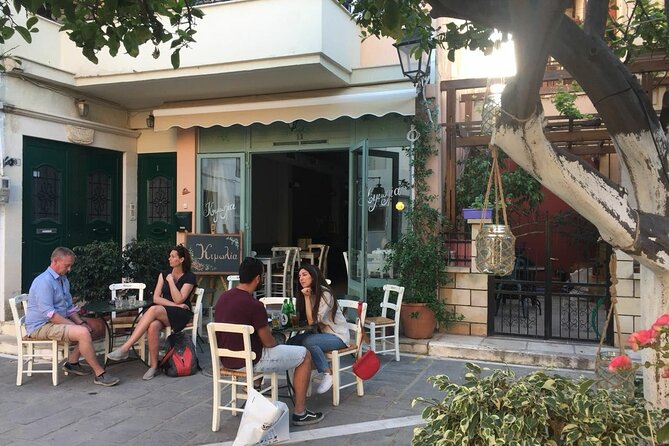
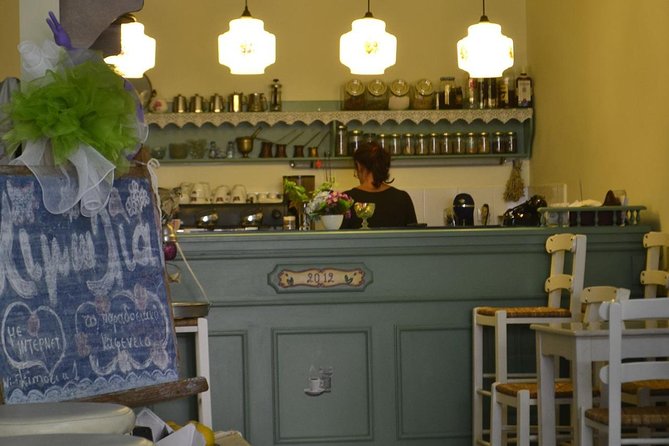
The first stop is a quiet kafeneio in an unusual corner of the old town. Here you get a traditional Cretan breakfast: Greek coffee or juice and a handmade cheese pie called sfakianopita. It is served with organic thyme honey, a combination that gives you salty cheese, soft pastry, and floral sweetness in one bite.
This opening is more useful than a quick coffee pickup. Your guide introduces the plan and explains the links between Cretan customs, daily life, and food. You also get a calm start before the walking and tasting begin.
The stop lasts about 30 minutes. If you are expecting a large breakfast, keep your expectations in check. It is a traditional snack and a pleasant introduction, not the full meal. The bigger spread comes at the final tavern.
The setting is part of the appeal. Rather than starting in a crowded restaurant, you sit in a quiet café and begin learning the local food vocabulary at an easy pace. For a first morning in Rethymno, this can help you get your bearings fast.
Olive oil, honey, and raki at Bricks Beers & Tales
The next stop focuses on local products, including olive oil, tsikoudia, and honey. These are central parts of Cretan food culture, and the tasting gives you a chance to ask how to recognize authentic olive oil and honey.
This is one of the more educational parts of the tour. You are not simply handed a drink or a spoonful of oil. The guide explains what you are tasting and why these products matter in everyday Cretan cooking.
The amount of raki may be smaller than some people expect, and the traditional drink is generally presented in its classic form rather than as a long flight of flavored versions. If you are hoping to compare many kinds of tsikoudia, this stop may feel limited. The focus is on understanding the place of raki in hospitality, not on a full spirits tasting.
Raki is often offered warmly in Crete, sometimes with food and conversation. Here it helps explain a social custom as much as a beverage. You also get a chance to taste honey and olive oil in a setting that feels connected to local producers and small businesses.
Seeing kadaifi filo made by hand
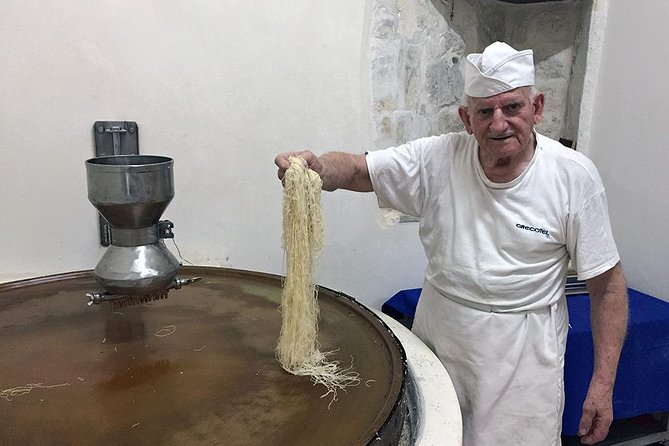
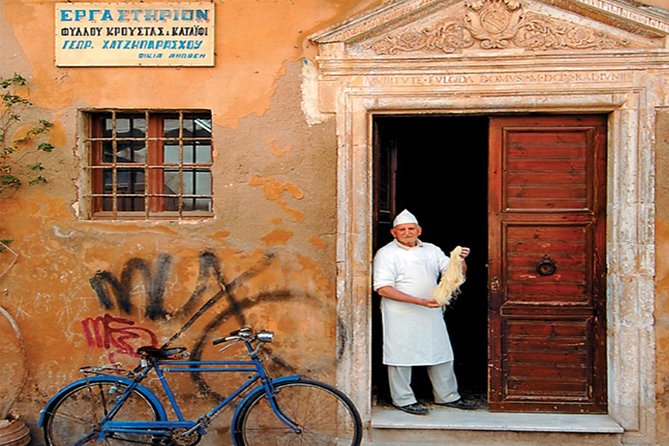
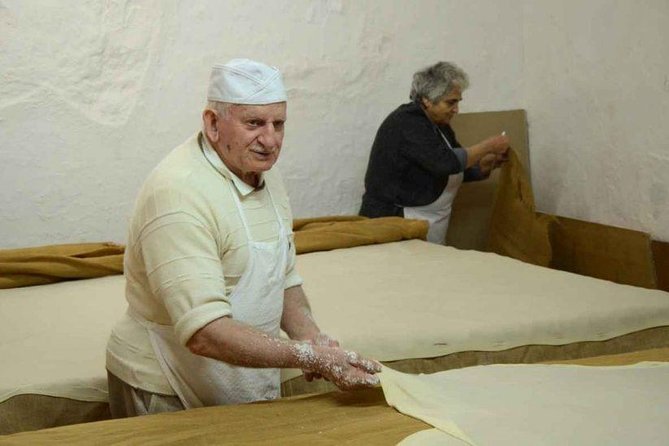
One of the tour’s most distinctive stops is the traditional filo workshop of Giorgos Chatziparaschos. The atelier occupies a 17th-century Venetian mansion in the old town and has been making filo for kadaifi and baklava for 65 years.
The ingredients sound plain: flour, water, and salt. The skill lies in the proportions and technique. A thin mixture is fed into a special machine, then falls in fine strands onto a hot copper pan. When conditions are right, you can watch hundreds of delicate kadaifi threads form above the flames.
This is a good reminder that traditional food often depends on craft rather than expensive ingredients. The pastry looks simple on the plate, but its texture comes from a method refined over years. The butter aroma in the workshop adds plenty of sensory appeal without needing a long explanation.
The visit lasts about 30 minutes. You may see the master at work, but the exact production activity can vary. The stop is still worthwhile even if the timing does not line up with active pastry making, because the workshop itself explains the process behind familiar desserts.
Kadaifi is usually finished with cinnamon, chopped walnuts, and syrup or honey. Baklava uses the same broader pastry tradition in a different form. If you like sweets, this will probably be one of the tour’s most memorable stops.
Same island, a completely different day out:
- From Kissamos Port: Boat Cruise to Balos Lagoon & Gramvousa
★ 4.2 · 6,755 reviews - Crete: Day Trip to Agios Nikolaos and Spinalonga Island
★ 4.6 · 4,416 reviews - From Chania: Full-Day Samaria Gorge Trek Excursion & Guide
★ 4.6 · 3,191 reviews - Agios Nikolaos: Boat Trip to Spinalonga with Swim Stop
★ 4.4 · 3,031 reviews
Lunch at Ali Vafi’s Garden
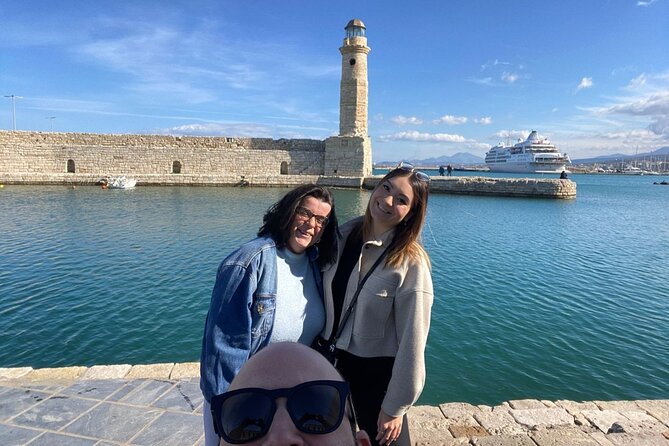
The final food stop is Ali Vafi’s Garden, a friendly bar and taverna in a building with Venetian-era roots and a later Ottoman connection. This is where the tour shifts from tasting to eating. You receive a spread of Cretan and Ottoman-style mezedes, small dishes meant to be shared.
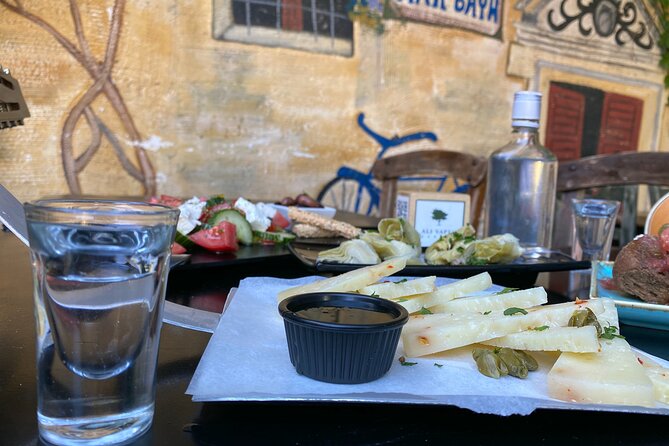
The menu includes salad with tomato, cucumber, artichoke, and bread crouton. You may also taste black beans with smoked trout, goat cheese graviera, and an organic sausage wrapped in pastry. White, red, and rosé wine accompany the food, and raki is included as well.
The meal is described as a full lunch or dinner, with a vegetarian option. That distinction matters. At $107.63, the value depends heavily on how much you eat and drink, and this final stop supplies the bulk of the food. It is not simply a dessert-sized plate after a few samples.
Portions can be generous enough that you may not finish everything. The guide can also adjust orders to suit individual tastes, which is helpful in a shared meal setting. If you have dietary needs beyond the stated vegetarian option, ask before booking because no wider list of accommodations is provided.
The setting adds to the meal. You are eating in a historic courtyard rather than a generic dining room, with the guide explaining more about Rethymno as the dishes arrive. This is the point where the tour’s two themes, food and city history, come together most clearly.
If you want to visit Fortezza afterward, the guide can help you and accompany you to the entrance. The entrance ticket is not included, so plan on paying that separately.
What the guides add to the experience
The guide can make or break a food walk, and this tour has used several guides with different strengths. Nora has been praised for explaining Cretan food and history in a friendly way. Michael has tailored walks to personal interests and helped with practical matters such as restaurant suggestions and taxi contacts.
Vincent has been described as especially engaging and well connected with the owners at the stops. Dina has brought patience and humor, including when guiding families with teenagers. Maria has combined local information with careful attention to the food. Kostas has focused strongly on the city’s past and its connection with Cretan culture.
Milo and Hara have also led the tour. Hara’s route included local places that are easy to miss while walking alone, along with useful suggestions for shops and restaurants during the rest of a stay.
These names do not guarantee a particular guide on your date. They do show the kind of experience you can expect: conversation, local explanations, and a guide who may adapt the route when conditions change. One tour continued successfully during bad weather by adding a stop to escape heavy rain.
The tour is offered in English, and the included guide may speak English or French. Confirm your language needs when booking if that matters to your group.
How much value do you get for $107.63?
The price is fair if you want a guided introduction rather than a simple food crawl. You are paying for three to four hours of walking, a small group, a local guide, breakfast, product tastings, drinks, a pastry workshop, and a full lunch or dinner.
A private tour upgrade will cost more, but it may suit families or groups that want a custom pace. Group discounts are also available, which can improve the per-person value for a larger booking.
The price is less compelling if you mainly want repeated tasting stops throughout the walk. One part of the experience includes a small breakfast, another focuses on olive oil, honey, and raki, and the largest spread arrives at the end. Think of it as a food-and-history tour with a substantial final meal, not a continuous series of full plates.
The inclusion of wine and raki helps the value, especially if you enjoy drinks with shared dishes. The Fortezza admission ticket is separate, and pickup outside the Rethymno district costs extra. Those are small but useful costs to account for.
With a 4.9 rating from 103 reviews and 96 percent recommendation, the experience has a strong record. I would still use the itinerary to decide if its rhythm suits you, since the food portion is weighted toward lunch.
Who should book this walking and gastronomy tour?
I would recommend it to first-time visitors who want a friendly introduction to Rethymno without spending a full day on a formal sightseeing program. It also suits anyone who likes food explained in context, especially olive oil, honey, pastry, cheese, and raki.
Families can do well here, since the walk includes sweets, snacks, and stories rather than only a long restaurant meal. The private option may be useful if your group needs a slower pace or wants to focus on certain foods.
You should be comfortable walking through the old town for several hours and eating a substantial shared meal. The tour is described as suitable for most people, allows service animals, and meets near public transportation. No separate mobility details are provided, so ask ahead if uneven old-town streets are a concern.
I would not choose it if you want a broad historical tour with major monument interiors. The history supports the food stops, but the main purpose is to connect Rethymno’s culture with what you eat.
Booking is flexible, with free cancellation up to 24 hours before the start time. Poor weather or failure to meet the minimum number can lead to a new date, another experience, or a full refund.
Should you book it?
Book this tour if you want a small, food-focused introduction to Rethymno with enough lunch to count as a proper meal. The handmade filo workshop, old-town kafeneio, Venetian and Ottoman settings, and relaxed guide-led conversation give it more character than a standard restaurant crawl.
Go in expecting modest early tastings and a larger meal at Ali Vafi’s Garden. If that rhythm sounds right, $107.63 buys a useful first look at Cretan food, local hospitality, and the old town’s layered past.
FAQ
How long does the Rethymno Walking & Gastronomy Tour last?
The tour lasts approximately three to four hours.
How much does the tour cost?
The listed price is $107.63 per person. Group discounts are available.
What language is the tour offered in?
The tour is offered in English. The included guide may speak English or French.
How many people can join the tour?
The group has a maximum of eight people. A fully private upgrade is also available.
Where does the tour start?
The meeting point is the Church of the Four Martyrs at Gerakari 6, Rethymno 741 31, Greece.
Where does the tour end?
The activity ends back at the meeting point.
What food is included?
The tour includes coffee or juice, sfakianopita with thyme honey, local product tastings, traditional pastry samples, and a full lunch or dinner. A vegetarian option is included.
Are drinks included?
Yes. Coffee or tea, wine, and raki are included, along with the other listed food and drink tastings.
Is the Fortezza entrance ticket included?
No. The Fortezza entrance ticket is not included. The guide can help you reach the entrance after the tour.
Can I cancel for a full refund?
Yes, if you cancel at least 24 hours before the experience start time. Cancellations or changes made less than 24 hours in advance are not refunded or accepted.
Just added around Crete
- Crete: Knossos Palace & Heraklion City Tour★ 3.5 · 3 reviews
- Knossos palace (Last minute booking – Skip The Line Ticket)★ 4.5 · 3 reviews
- Cooking Class & Greek Night Experience★ 5.0 · 3 reviews
- Full-Day Tour:Lasithi Plateau -Mythology Park&Knossos Palace★ 3.0 · 3 reviews
- Chania: Private Guided Food and Wine Walking Tour with Lunch★ 5.0 · 3 reviews
- Knossos: Knossos Private Guided Tour★ 5.0 · 3 reviews
- Individual travel accompaniment East Crete★ 5.0 · 3 reviews
- Chania: Knossos Palace – Archaeological museum!★ 3.4 · 3 reviews
Cretan Food Tours, compared.

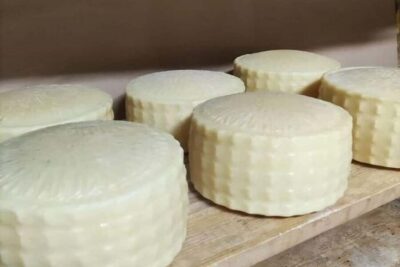

Olive Farm Tour with Tasting of Local Delicacies
Read our review →
Old Town Highlights Guided Tour with Street Food
Read our review →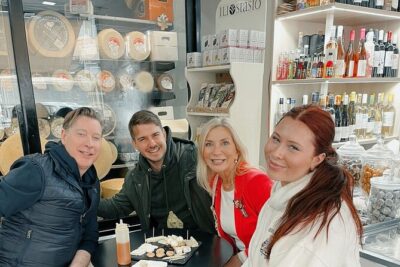
Walking “Food tasting tour” in the town of Chania
Read our review →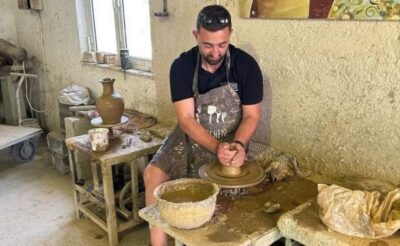
Full-Day Cretan Wines, Olive Oil, Raki and Food Tour
Read our review →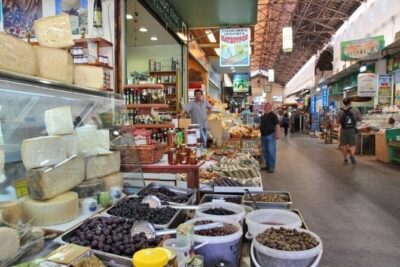

Olive Oil, Soap, Wine, Raki – Flavorful Culinary Journey
Read our review →Browse the lists this tour appears in