
Reviewed · CRETAN FOOD TOURS
Food Odyssey, A Historical Culinary Tour of Chania
Chania’s food story makes more sense when you walk it. This four-hour tour follows culinary historian Mariana through coffee shops, pastry workshops, the central market, the Venetian harbor, and the Ottoman quarter. Along the way, you taste old Cretan recipes rather than simply hearing about them.
I like the small maximum of eight people, which gives Mariana room to explain cooking methods and answer questions. I also like the wide food range, from homemade cheese and Byzantine-style bread to bougatsa, Greek coffee, almond drink, and a sit-down Cretan meal. The main consideration is pace: arrive hungry, wear good walking shoes, and be ready for a lot of food before noon.
In This Review
- Key things to know before booking
- Why this Chania food tour works
- Starting with olives, cheese, and kalitsounia
- Inside a Chania bougatsa factory
- Reading the stalls at Chania’s Municipal Market
- Seeing how phyllo becomes food
- Venetian trade, harbor politics, and a Cretan knife
- Almond drink beneath the plane tree in Splantzia
- Finishing with an ancient cooking lesson and taverna meal
- What the $125.77 price includes
- Who will enjoy this tour most
- Timing, group size, and weather
- Should you book Food Odyssey?
- FAQ
- Where does the tour begin?
- Where does the tour end?
- How long does the experience last?
- How large is the group?
- Is food included?
- Are alcoholic drinks included?
- Is a vegetarian option available?
- Can food allergies or other restrictions be accommodated?
- What happens if bad weather cancels the tour?
Key things to know before booking
- Mariana leads the tour as an archaeological culinary historian, linking each bite to Cretan, Byzantine, Venetian, and Ottoman food traditions.
- The tastings replace breakfast and lunch, with pastries, coffee, market foods, historic dishes, and a final taverna meal included.
- The group is limited to eight people, making this more personal than a large food walk.
- You visit working food businesses, including a bougatsa factory and phyllo factory, rather than only stopping at polished tourist restaurants.
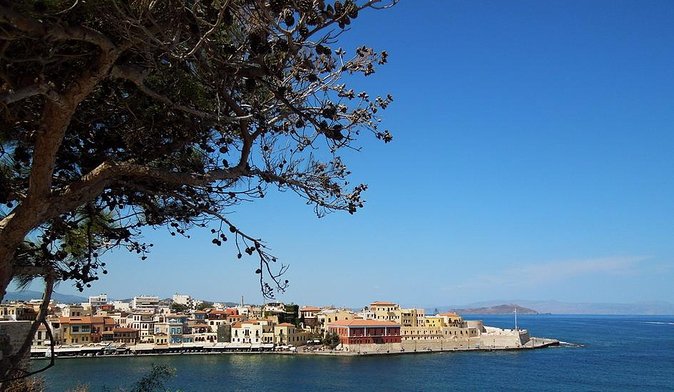
- The four-hour route crosses several parts of old Chania, including the central market, Venetian harbor, and Splantzia.
- Vegetarian diets can be accommodated, but you should report allergies or other food restrictions when booking.
Why this Chania food tour works
Many food tours give you a list of things to taste. This one tries to explain why those foods exist and how Chania’s past shaped the local table. You hear about ancient Greek techniques, Byzantine baking, Venetian trade, Ottoman customs, herbs, wild greens, and the pressures of food supply in earlier centuries.
That approach gives the meal more meaning. A small cheese pie is not just a snack. A sweet pastry is not just something to photograph. Each dish becomes a clue to the people who lived in Chania and the ingredients they could grow, trade, preserve, or afford.
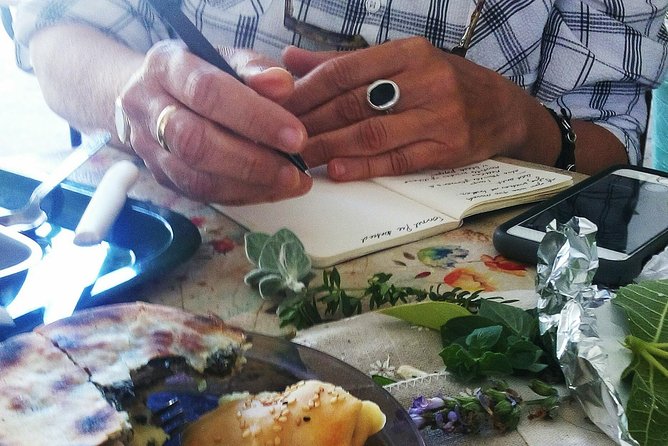
Mariana is the key to the experience. Her background in archaeological culinary history lets her connect cooking with daily life. She also makes some of the food herself, including homemade cheese, and provides a small sachet of fresh herbs at the end of the experience. That herb packet is a simple touch, but it gives you a scent-based reminder of Crete after the tour is over.
The food is the main event, but the walking matters too. You move through several historic quarters instead of staying at one restaurant. That means you get a better sense of how the city’s streets, markets, harbor, and old neighborhoods relate to its cuisine.
More food tours in Crete:
- Crete: Sunset or Morning Quad with Local Products Tasting
★ 4.9 · 1,135 reviews - From Chania: Olive Oil, Wine, Cheese & Honey Tasting Tour
★ 4.6 · 490 reviews - Heraklion: Olive Farm Tour with Tasting of Local Delicacies
★ 4.9 · 411 reviews
Starting with olives, cheese, and kalitsounia
The tour begins at 10:00 a.m. at Kidonias 29, described as the meeting point in front of Chania Town Hall. From there, you walk to a local coffee shop while Mariana introduces the food traditions of the area.
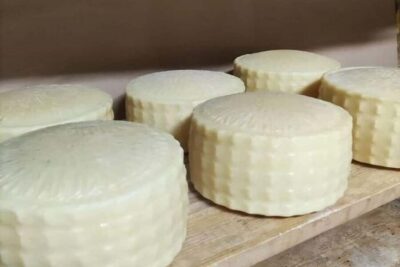
The opening tasting sets the tone. You sample olives, handcrafted cheese made using an ancient Greek method, homemade bread prepared according to a Byzantine baking technique, and herbal tea served in the Cretan manner. This is a useful start because it focuses on basic foods that have long formed the backbone of the local diet.
You also learn about herbs and wild greens used in Cretan cooking. These ingredients appear again in the tour’s pastries and traditional dishes, so the early explanation helps you recognize what you are tasting later.
Then come kalitsounia, small Cretan pies filled with cheese, wild greens, or both. They can be savory or slightly sweet, depending on the recipe. This stop lasts about 40 minutes and includes admission.
I like this opening because it does not rush straight to the most famous pastry. It begins with staples, seasonings, and methods. The drawback is that the tour starts with several generous tastings, so you need to pace yourself. The final meal still lies ahead.
Inside a Chania bougatsa factory
Next, you visit a bougatsa factory and taste one of the city’s best-known versions of the pastry. Bougatsa is a thin pastry pie filled with a soft cheese or milk-based mixture. It is often served as a morning food, making it a natural second stop on a tour that begins before midday.
The factory visit adds a practical side to the food story. You can learn about the cooks’ skills and the work needed to produce the pastry. Mariana also explains food consumption during the Ottoman occupation of Crete, showing how a familiar dish can reflect centuries of cultural exchange.
This part takes about 30 minutes. It is a focused stop, not a full cooking class, so expect to watch and taste rather than prepare the pastry yourself.
Bougatsa is rich and filling. That is why the advice to skip breakfast deserves attention. If you eat a full meal before meeting Mariana, you may spend the rest of the morning treating the tastings as a chore. A light start, or no breakfast, makes better sense.
Reading the stalls at Chania’s Municipal Market
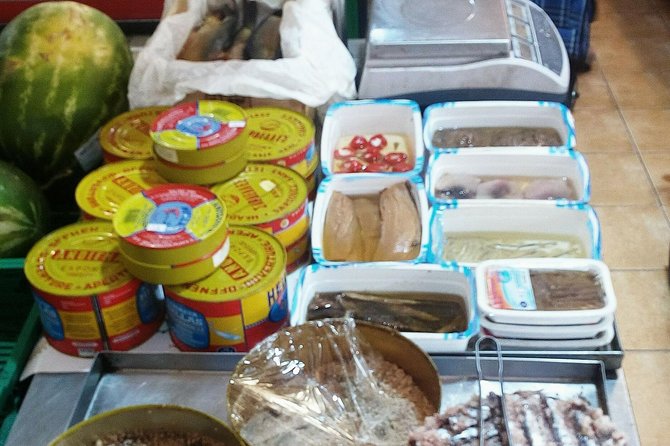
The central market brings the tour into a larger food setting. Here you find cheese, cured meats, fish, vegetables, bread, rusks, pies, olive oil, and honey. You sample selected products while learning how these foods fit into Cretan cooking.
This stop is useful even if you have already visited the market on your own. Walking through the stalls without context can leave you unsure what to buy or how an unfamiliar product is used. Mariana gives you a way to read the displays, pointing out the foods that matter in local cooking and explaining the role of preserved goods.
The market visit lasts about 30 minutes. It is enough time to see a broad selection, but not enough for a leisurely shopping trip. If you want to buy olive oil, honey, herbs, or other provisions, you may need to return later.
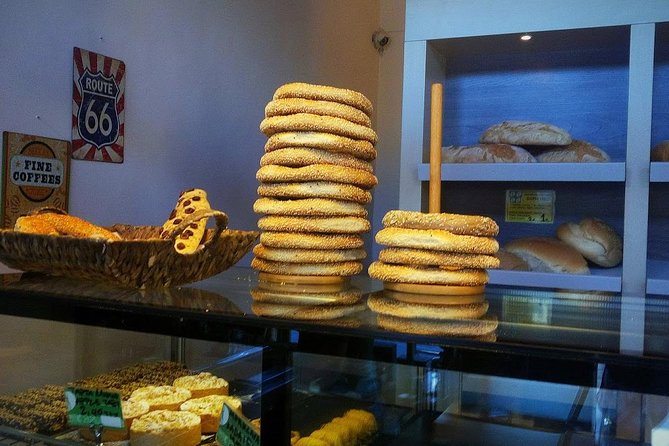
The market also includes a coffee shop visit. You taste Greek coffee and learn about coffee culture in Greece, along with savory accompaniments popular in the 19th and early 20th centuries. This is more than a caffeine break. Coffee gives Mariana another way to discuss custom, social life, and the small foods served alongside drinks.
Greek coffee is strong and traditionally prepared in a small pot. If you prefer milk or a milder drink, the tour may not be the place to get your usual order. The point here is to taste it in its cultural setting.
A few more Crete half-days to weigh up
- From Heraklion: Historical Center City Tour & Knossos Palace
★ 4.4 · 340 reviews - Ecobike tour in historic Heraklion
★ 5.0 · 134 reviews - Richtis Waterfall, History, Azoria, OliveTasting, NorthCoast
★ 5.0 · 83 reviews - From Chania: Crete World War II History Tour
★ 4.9 · 65 reviews
Seeing how phyllo becomes food
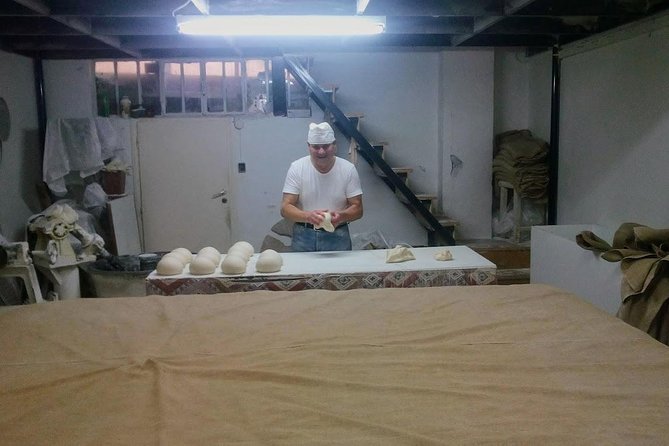
The route then stops briefly at a phyllo factory. The visit lasts about 10 minutes, so you should think of it as a quick look at a key ingredient rather than a full demonstration.
Phyllo appears in several Greek pastries, including bougatsa and other sweet or savory pies. Seeing where the sheets are made helps explain the skill behind the dishes you have already tasted. It also gives the morning a nice practical rhythm: taste a pastry, hear its story, then see one part of its production.
This is one of the shorter stops, and some people may find it less memorable than the market or final meal. Still, it adds variety and keeps the tour focused on actual food production.
Venetian trade, harbor politics, and a Cretan knife
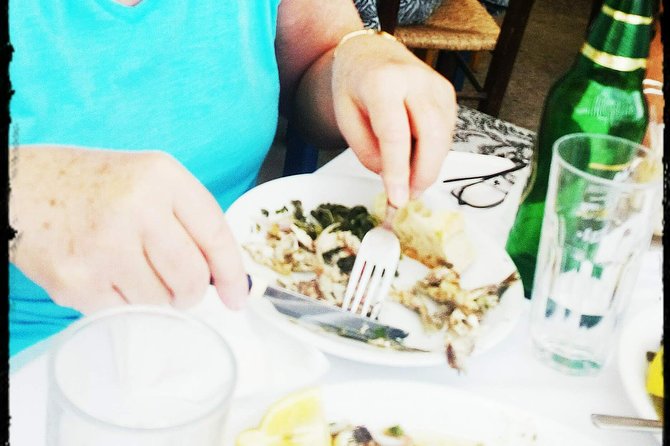
From the food businesses, you walk through the Venetian part of Chania toward the old harbor. The discussion shifts from recipes to trade and food policy. Venetian control influenced what entered the city, how food moved, and how secure supplies were for the local population.
That context is valuable because food history is not only about ingredients. Ports, rulers, merchants, taxes, and storage all affect what people eat. The harbor becomes part of the explanation rather than a background for photographs.
You also have a short multi-sensory food experience. The supplied details do not specify every element, so expect a brief activity connected to smell, texture, or other senses rather than a separate meal.
The stop includes a visit to a Cretan knife maker. Traditional Cretan knives are closely tied to local identity and practical kitchen life. This pause gives you a break from eating while keeping the focus on craft and food culture.
The Venetian harbor section takes about 40 minutes and includes admission. It is also one of the parts most affected by weather, since much of the route is outdoors.
Almond drink beneath the plane tree in Splantzia
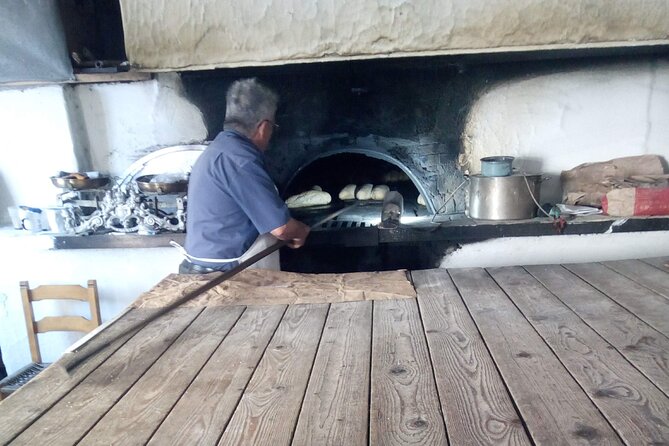
The tour continues into Splantzia, the Ottoman part of old Chania. Here you taste an almond beverage with Byzantine roots beneath the shade of a plane tree.
This is a small but distinctive tasting. Drinks made with flowers and nuts offer a different view of local food traditions than bread, cheese, and meat. The almond beverage also ties the Ottoman quarter to older Byzantine practices, showing how recipes can outlast political borders.
The stop lasts about 30 minutes. It is a quieter pause after the market and harbor walks, and the shade of the plane tree should be welcome on a warm day.
You should not expect a large serving. This is a historic drink tasting, not another full course. Its value is in the explanation and the contrast with the pastries and savory foods served earlier.
Finishing with an ancient cooking lesson and taverna meal
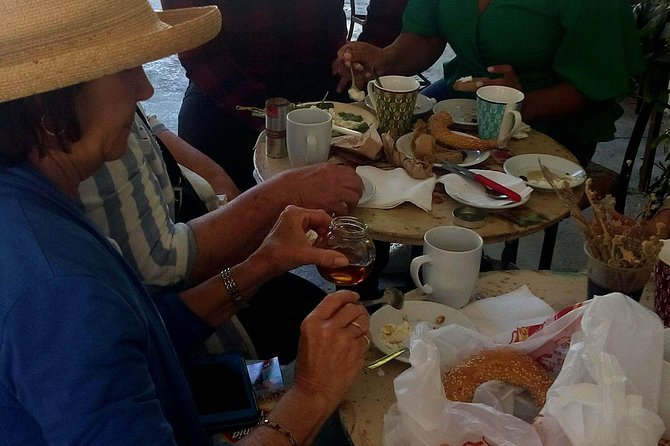
The final stop is a local taverna in Splantzia. Mariana gives a short lesson on ancient cooking before serving traditional and historic Cretan delicacies.
This is where the tour becomes a proper meal. The experience includes lunch, and the earlier tastings are described as breakfast and lunch offerings. You also receive a wide range of local and historic foods throughout the morning, so expect the final stop to complete an already substantial food experience rather than begin one.
The taverna setting should appeal to you if you want local dishes served in a relaxed, everyday setting. It is also a chance to sit down after several hours of walking and tasting. Alcoholic drinks are not included, but they can be purchased separately.
The final stop lasts about 40 minutes. Since menus and tastings can change without notice, the exact dishes are not fixed. That flexibility is normal for a food tour using fresh and locally available products, but it means you should not book with one particular dish in mind.
What the $125.77 price includes
At $125.77 per person, this is not a cheap snack walk. I think the value depends on how you use it.
You are paying for about four hours with a field expert, a small group of no more than eight people, multiple tastings, visits to food businesses, a multi-sensory activity, historic food explanations, and a final meal. Breakfast and lunch are included in the stated package, which makes the price easier to justify than a tour that only provides a few samples.
You also avoid the guesswork of ordering unfamiliar foods on your own. Mariana explains what you are tasting, where it fits in local cooking, and how different periods shaped the food. If you care about context, this adds real value.
The price is less attractive if you mainly want a large meal or a short market visit. You could spend less by eating at a bakery and taverna on your own. You would not get the same organized route, food history, factory visits, or small-group instruction.
Group discounts are available. Alcohol is extra, and hotel pickup and drop-off are not included. You need to reach the meeting point yourself and arrange your own way back from Splantzia Square.
Who will enjoy this tour most
I would recommend this experience to you if food is one of the main ways you understand a place. It suits curious eaters who want to know why Cretan dishes taste the way they do, not only where to find them.
It is particularly good for:
- People interested in ancient Greek, Byzantine, Venetian, and Ottoman influences on food
- Visitors who prefer small groups and direct conversation with a guide
- Anyone who wants a meal built into a walking tour
- First-time visitors who want an introduction to Chania’s old quarters and market
- Vegetarians, provided the request is made at booking
- Families with children who can manage a four-hour food and walking schedule
You may want a different experience if you dislike pastries, cheese, coffee, or unfamiliar foods. The tour also requires comfortable shoes and casual clothing. Children must be accompanied by an adult, and most people can participate.
Food restrictions should be reported when booking. The guide will do her best to accommodate specific needs, but the tastings can change and the full menu is not fixed.
Timing, group size, and weather
The 10:00 a.m. start is well chosen for a food tour. You can visit the market during the morning and reach the taverna in time for lunch. It also explains why the first tastings are substantial enough to function as breakfast.
A maximum of eight people matters here. Food history works best when you can hear the guide and ask questions without competing with a large crowd. The small group also makes visits to compact shops and workshops more manageable.
The route begins near Chania Town Hall and ends at the Platanos of Splantzias in Splantzia Square. Hotel transportation is not included, but the starting area is near public transportation.
Bad weather can affect the tour. If conditions force a cancellation, you can choose another date or receive a full refund. For your own plans, avoid placing this experience on a day when you have a tight ferry, flight, or excursion schedule immediately afterward.
Free cancellation is available if you cancel at least 24 hours before the start time. Changes or cancellations inside that window are not refunded.
Should you book Food Odyssey?
I would book this tour if you want Chania explained through its food and you are willing to give it a full morning. The strongest features are Mariana’s archaeological food background, the small group, the mix of working food shops and historic neighborhoods, and the final taverna meal.
The tour is also a good choice for a first or second day in Chania. It gives you food names, market clues, and neighborhood context that can guide later meals.
Skip it if you prefer to choose every dish yourself, need a quick activity, or have strict food restrictions that cannot be accommodated. Otherwise, arrive very hungry, bring comfortable shoes, and let the morning unfold one pastry, herb, coffee, and historic dish at a time.
FAQ
Where does the tour begin?
The stated meeting point is Kidonias 29 in Chania, near Chania Town Hall. The tour begins at 10:00 a.m.
Where does the tour end?
The tour ends at the Platanos of Splantzias in Splantzia Square, Chania.
How long does the experience last?
The tour lasts approximately four hours.
How large is the group?
The maximum is eight people per booking, with no more than eight participants on the activity.
Is food included?
Yes. The experience includes a wide variety of local delicacies, historic foods, breakfast, lunch, and a final meal at a local taverna.
Are alcoholic drinks included?
No. Alcoholic drinks are not included, but they are available to purchase.
Is a vegetarian option available?
Yes. A vegetarian option is available, but you should request it when booking.
Can food allergies or other restrictions be accommodated?
You should advise the provider of allergies or other food restrictions when booking. The guide will do her best to meet your needs, but tastings can change without notice.
What happens if bad weather cancels the tour?
If the tour is canceled because of unfavorable weather, you can choose an alternative date or receive a full refund.
Just added around Crete
- Crete: Knossos Palace & Heraklion City Tour★ 3.5 · 3 reviews
- Knossos palace (Last minute booking – Skip The Line Ticket)★ 4.5 · 3 reviews
- Cooking Class & Greek Night Experience★ 5.0 · 3 reviews
- Full-Day Tour:Lasithi Plateau -Mythology Park&Knossos Palace★ 3.0 · 3 reviews
- Chania: Private Guided Food and Wine Walking Tour with Lunch★ 5.0 · 3 reviews
- Knossos: Knossos Private Guided Tour★ 5.0 · 3 reviews
- Individual travel accompaniment East Crete★ 5.0 · 3 reviews
- Chania: Knossos Palace – Archaeological museum!★ 3.4 · 3 reviews
Cretan Food Tours, compared.

Olive Farm Tour with Tasting of Local Delicacies
Read our review →
Old Town Highlights Guided Tour with Street Food
Read our review →
Walking “Food tasting tour” in the town of Chania
Read our review →
Full-Day Cretan Wines, Olive Oil, Raki and Food Tour
Read our review →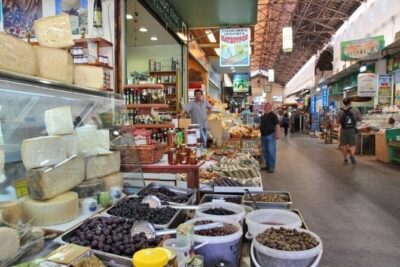

Olive Oil, Soap, Wine, Raki – Flavorful Culinary Journey
Read our review →Browse the lists this tour appears in